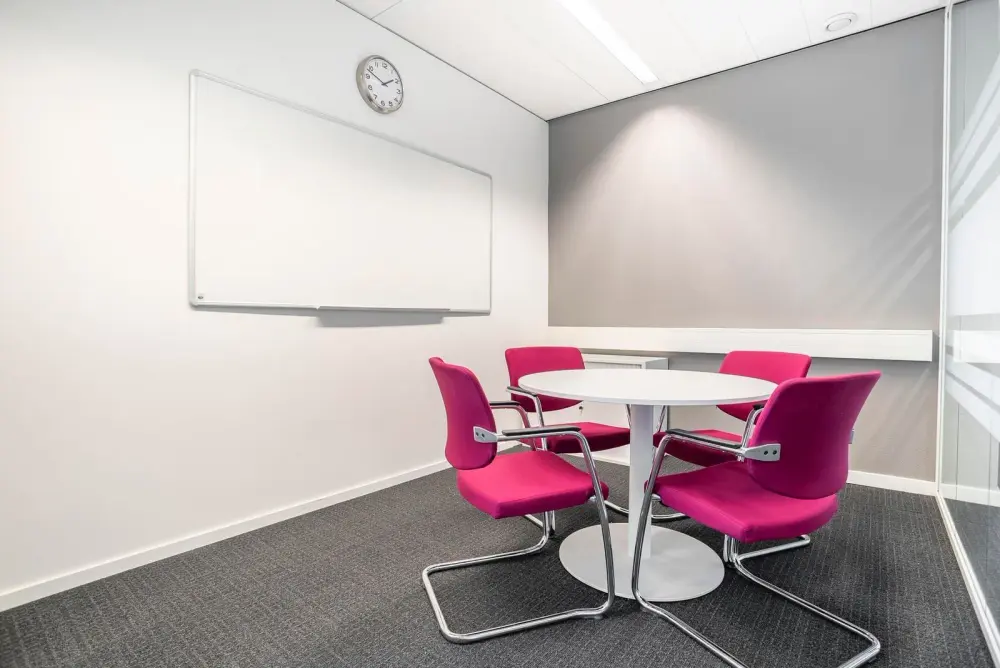
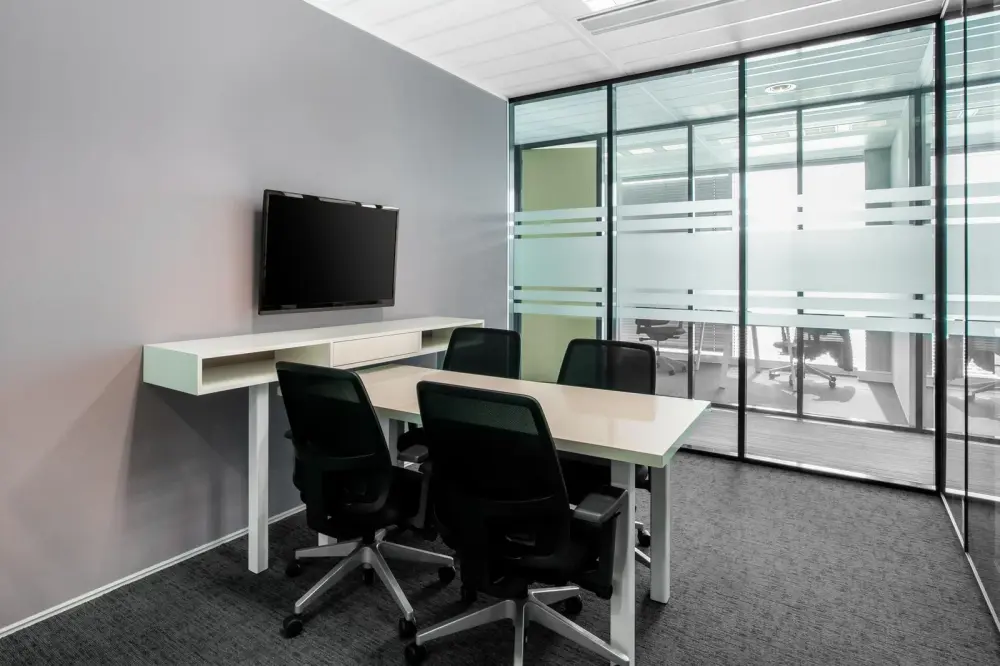
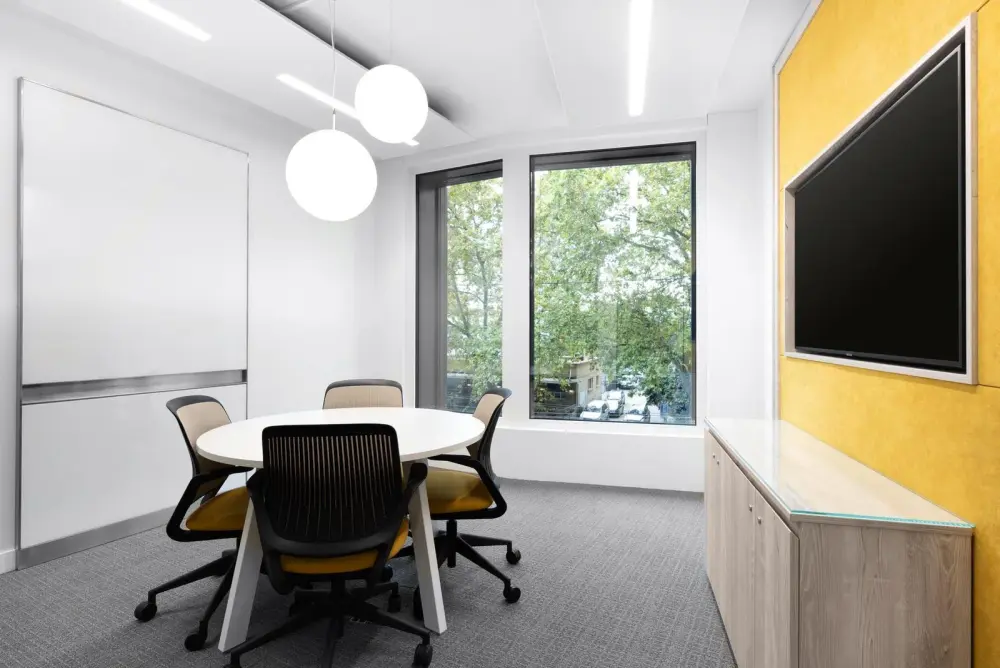
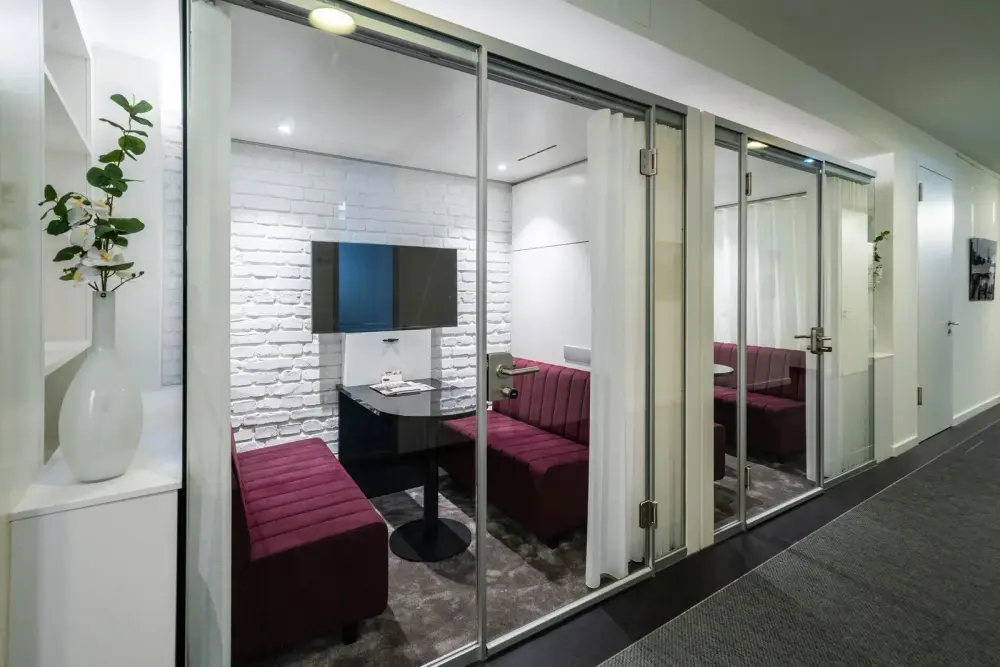
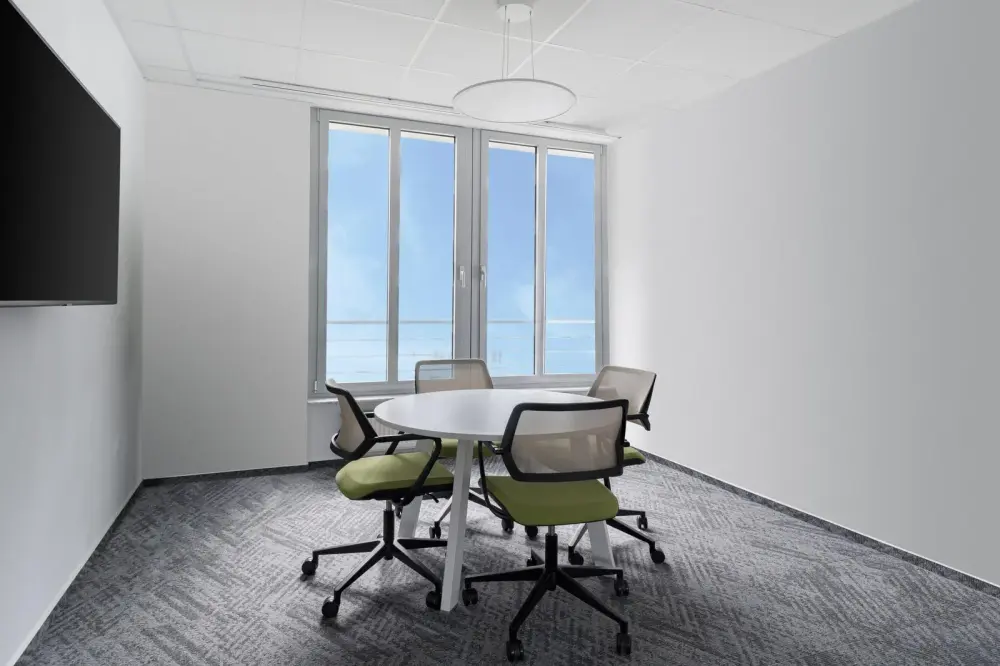
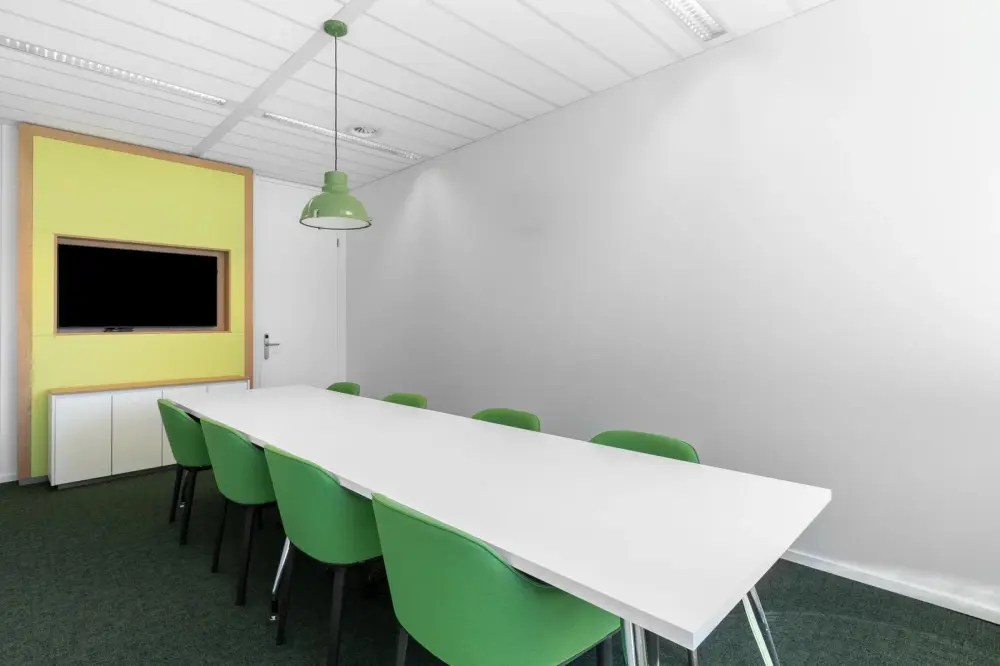
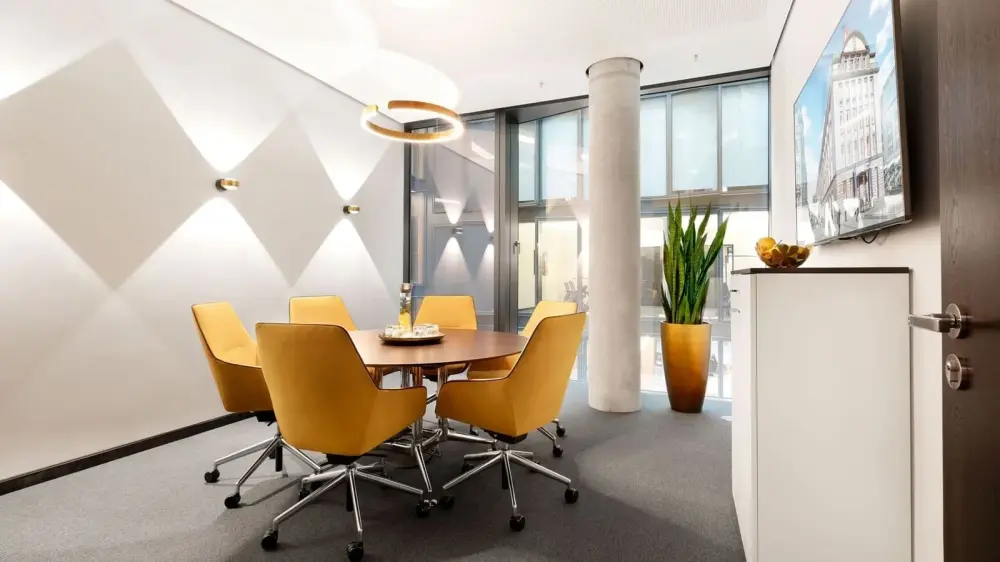
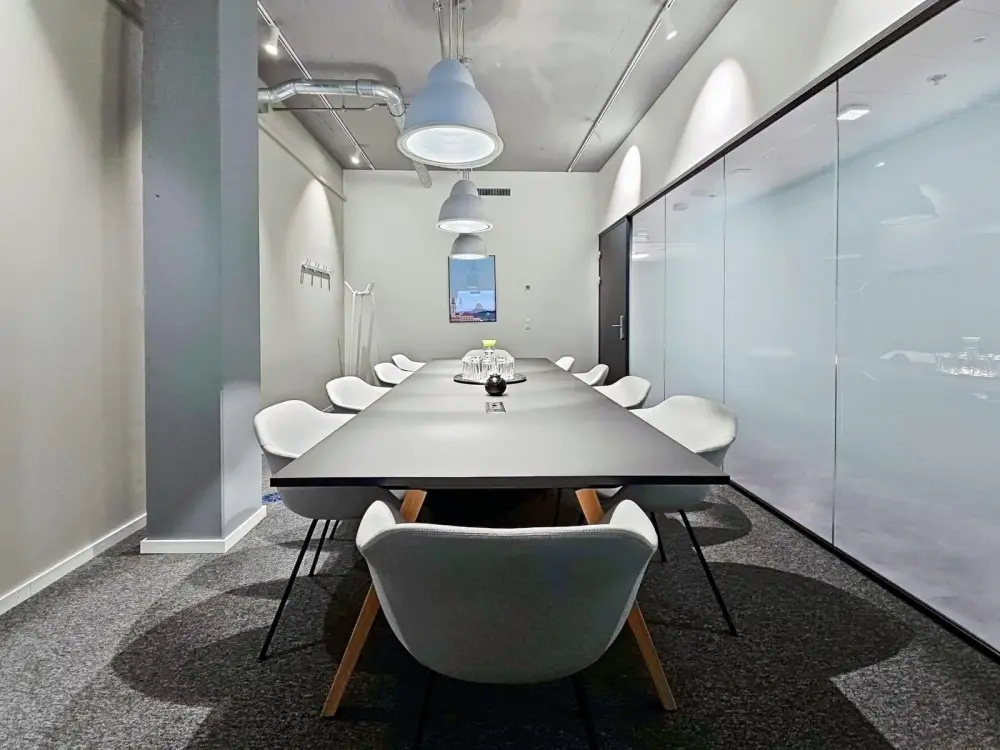
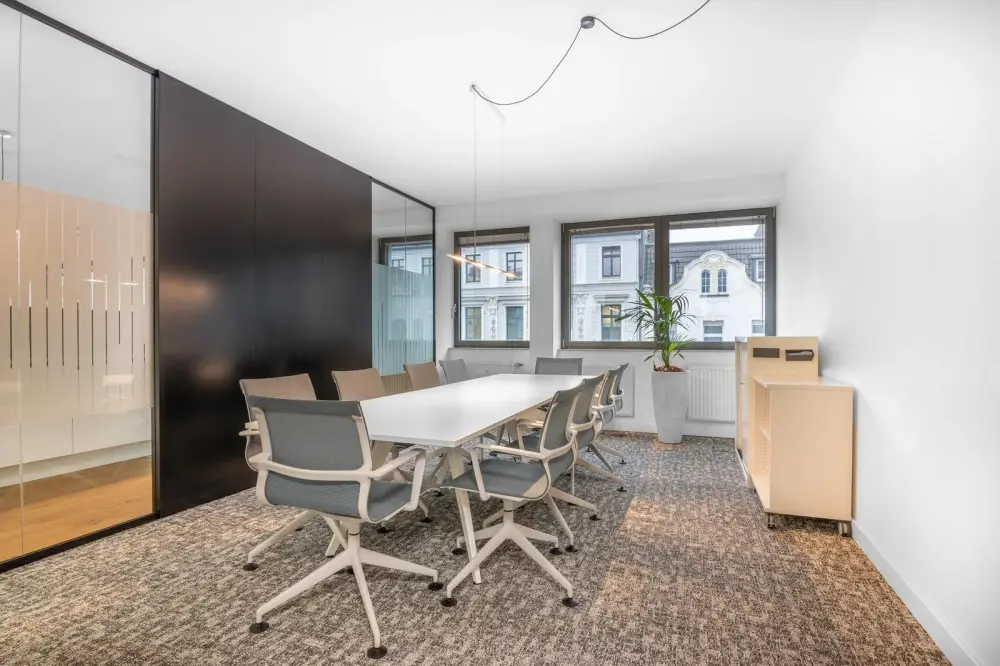
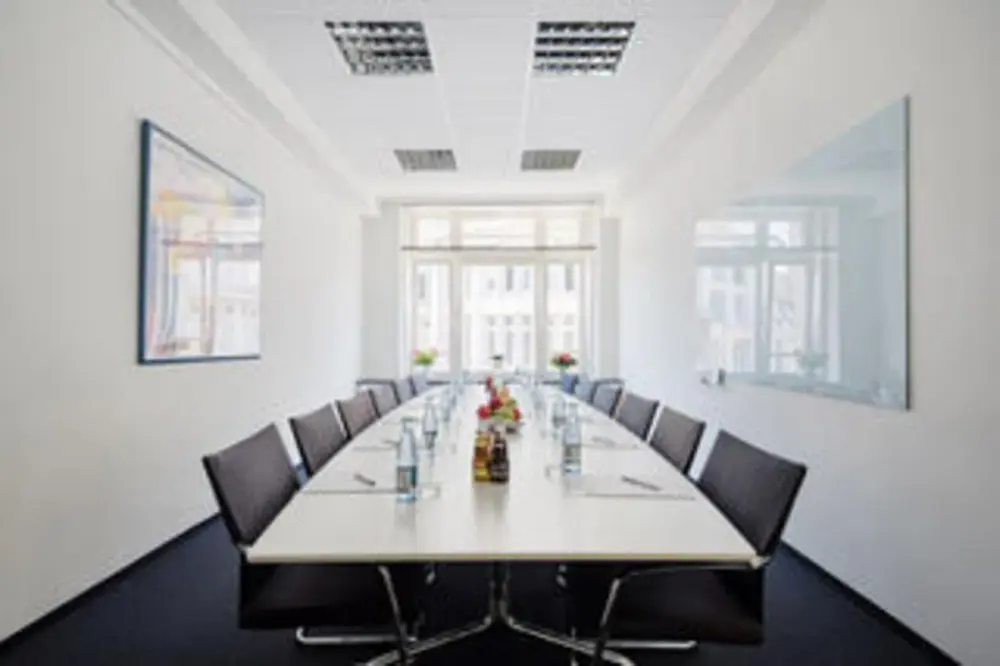
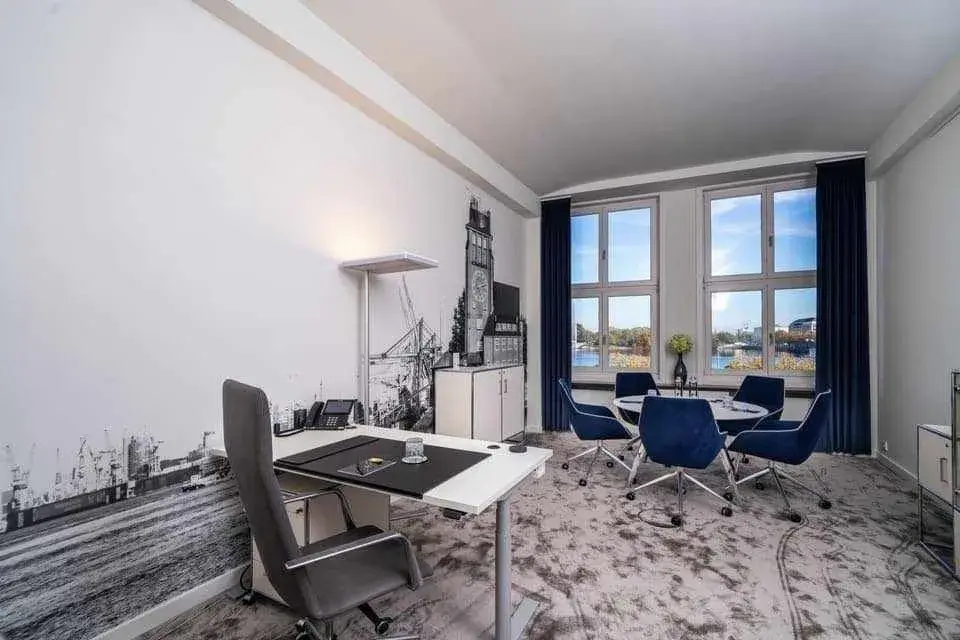
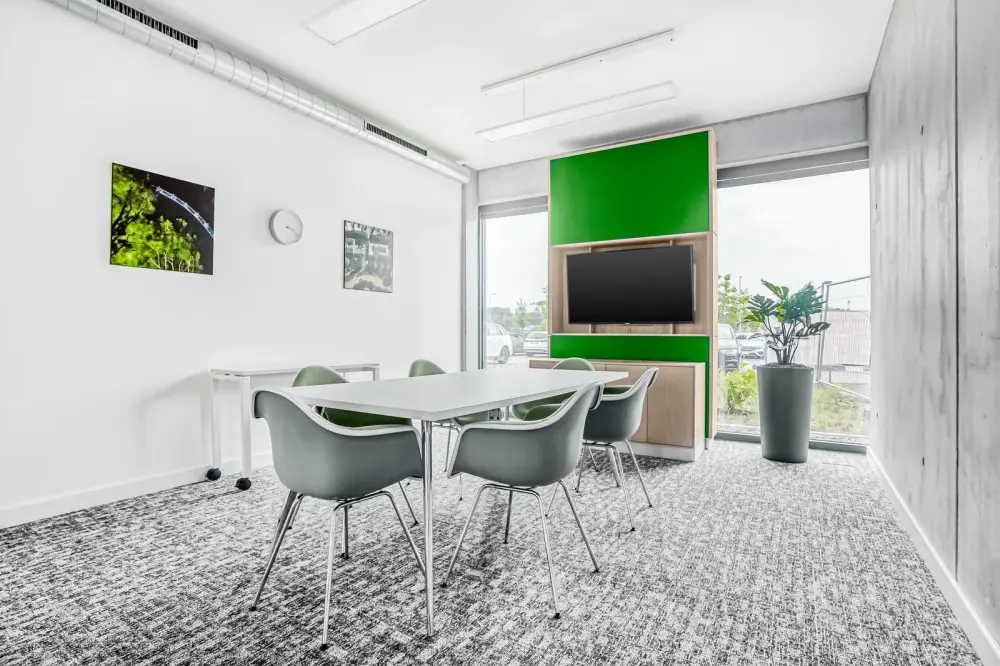
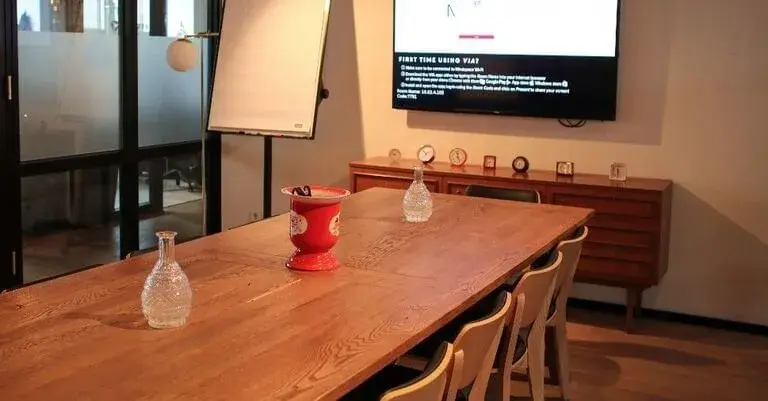
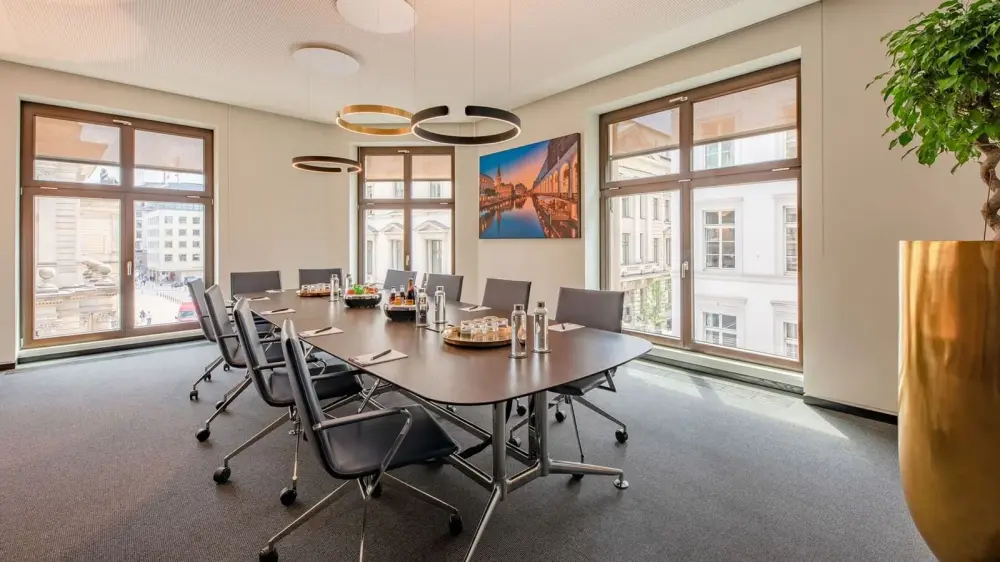
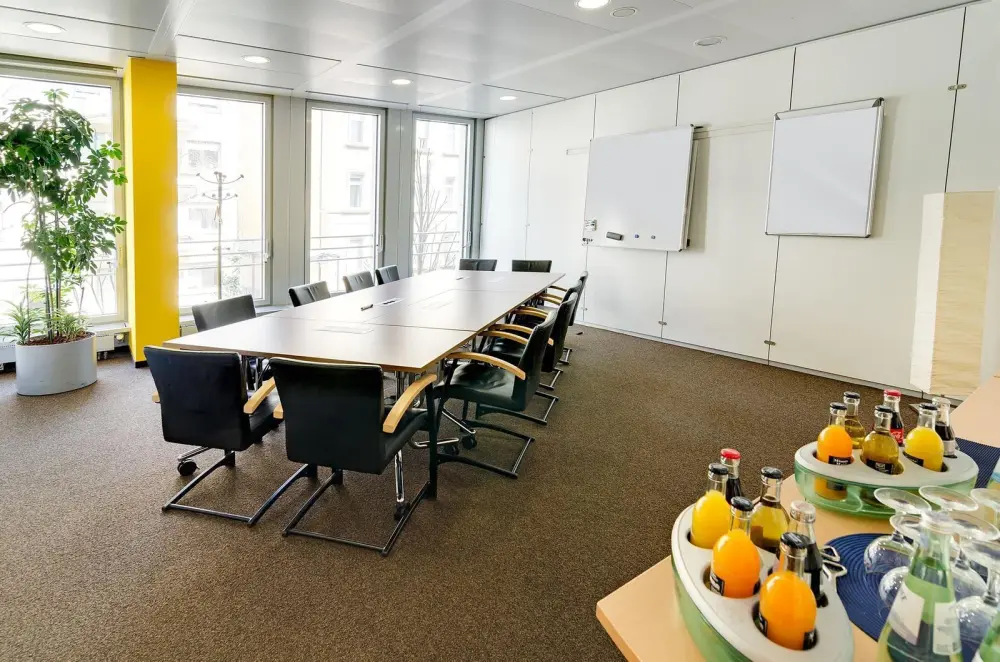
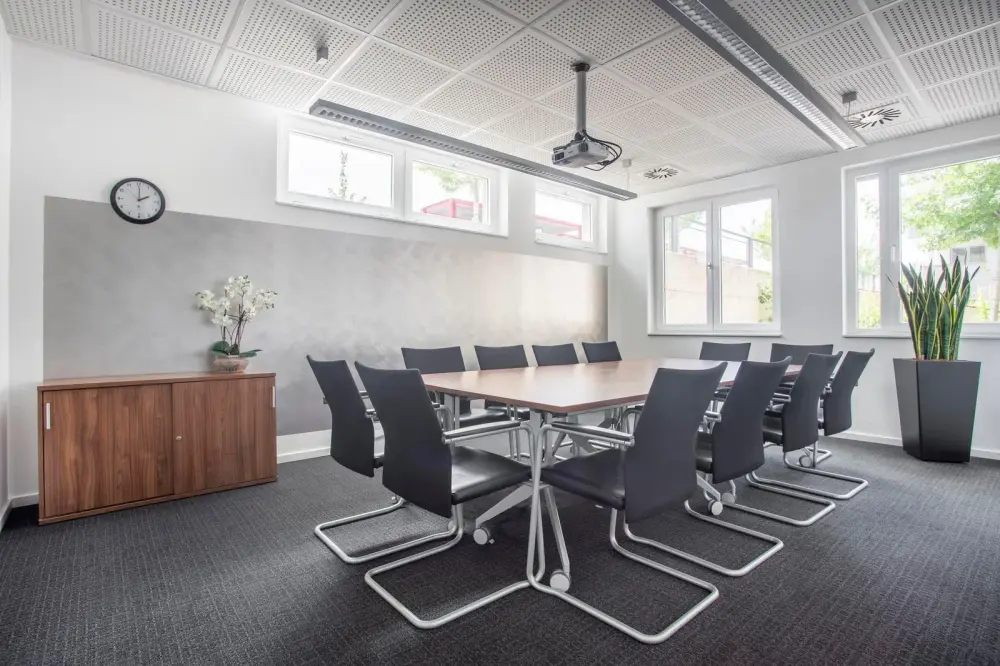
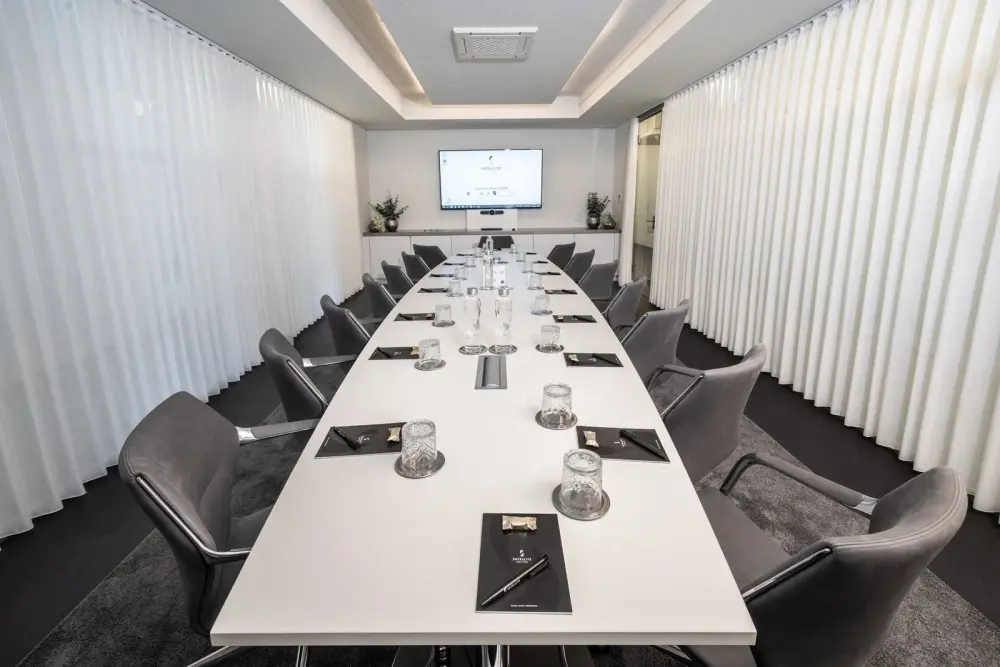
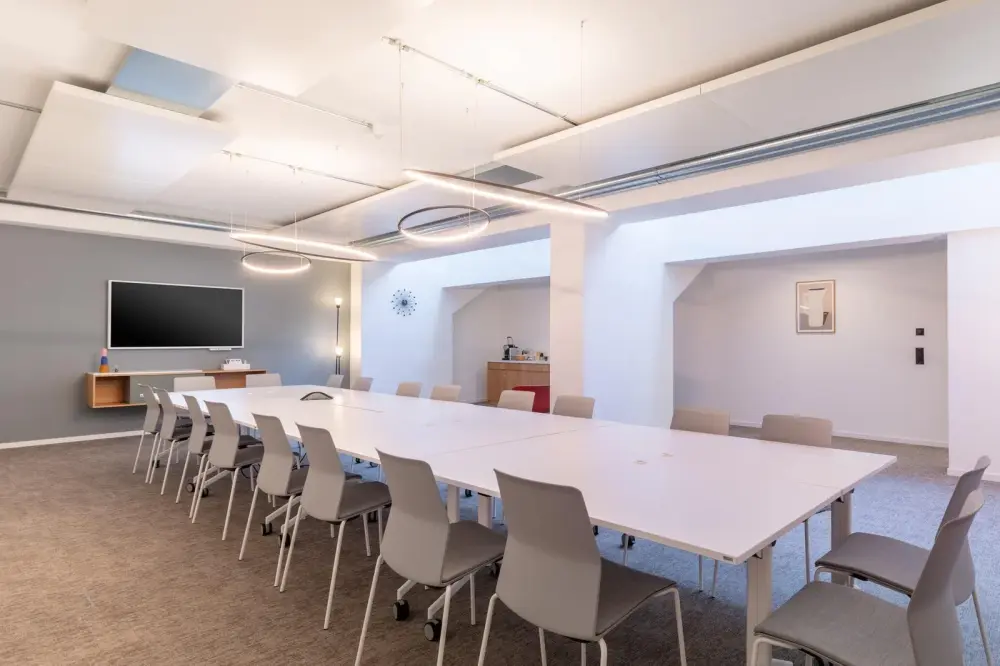
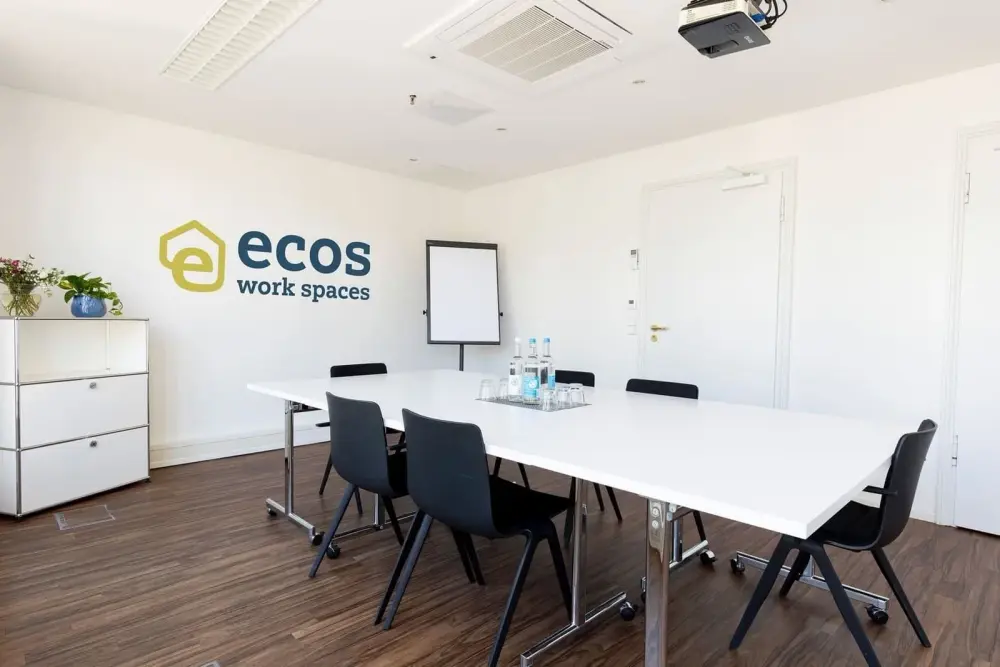
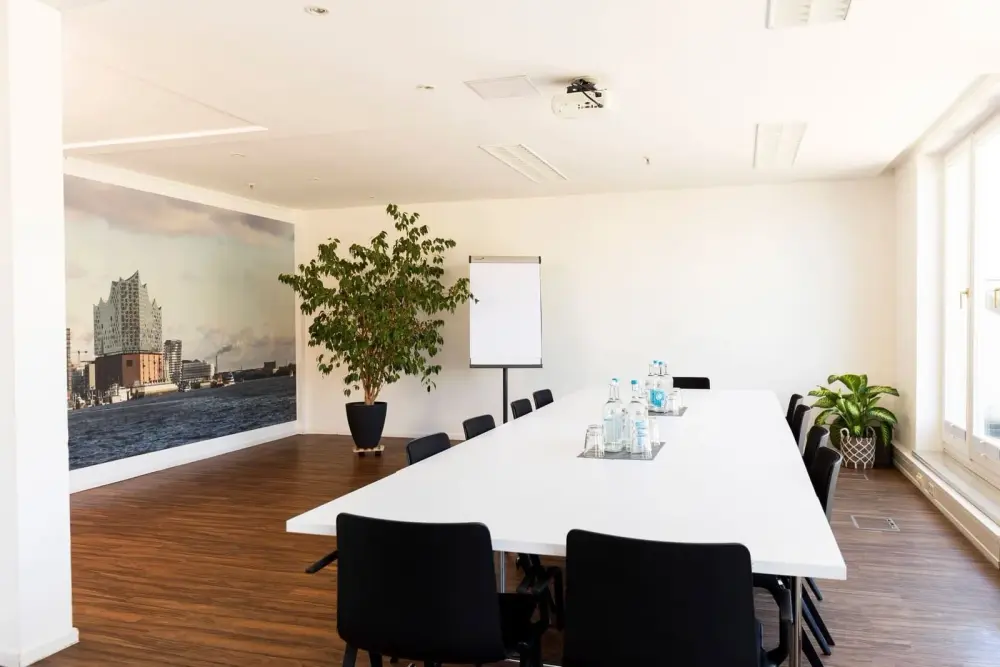
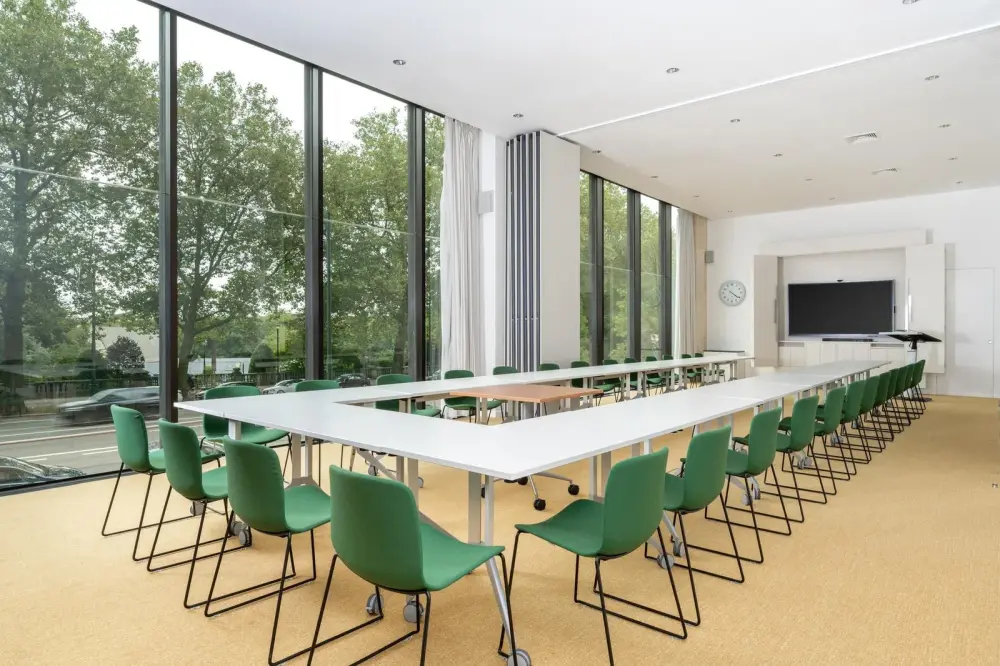
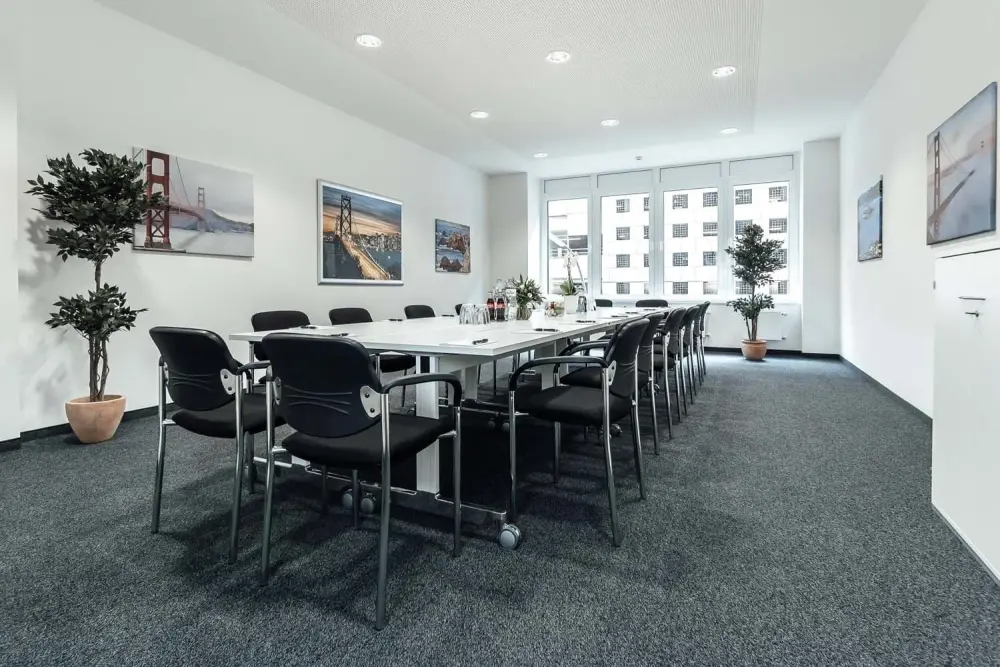
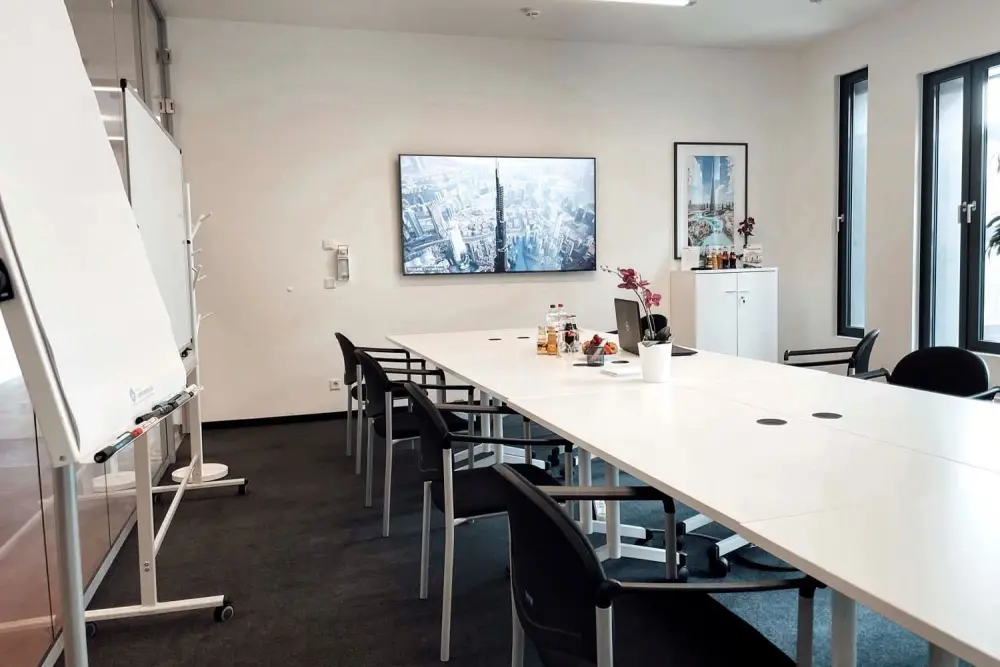
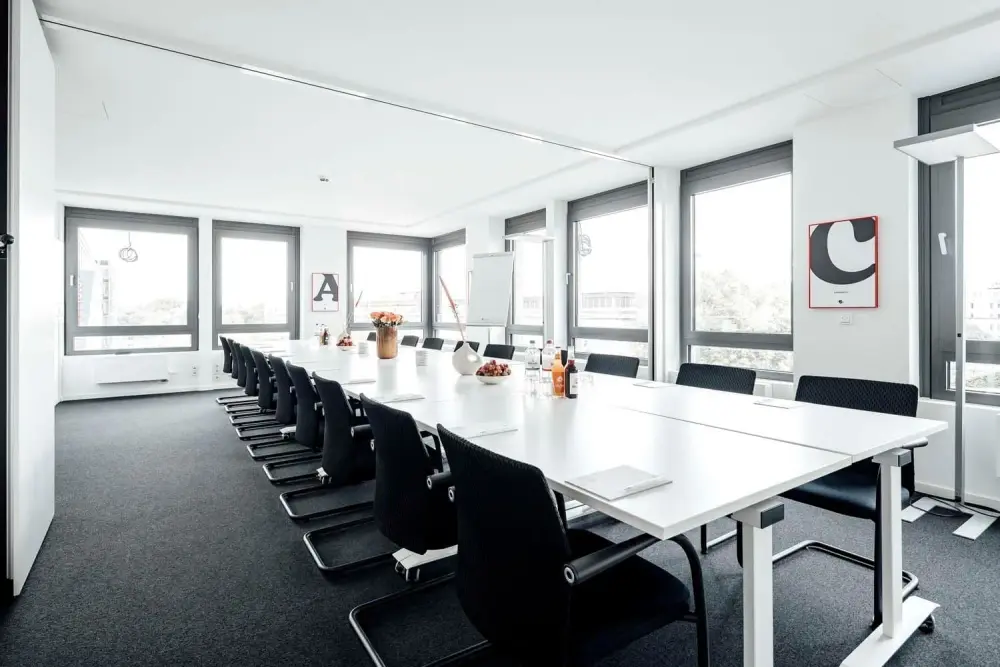
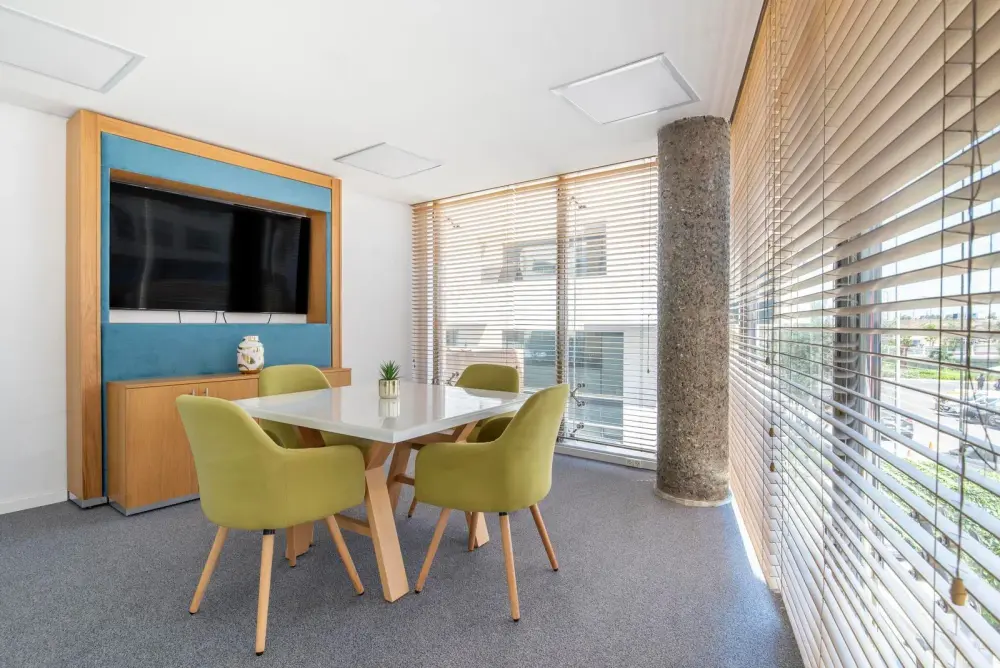
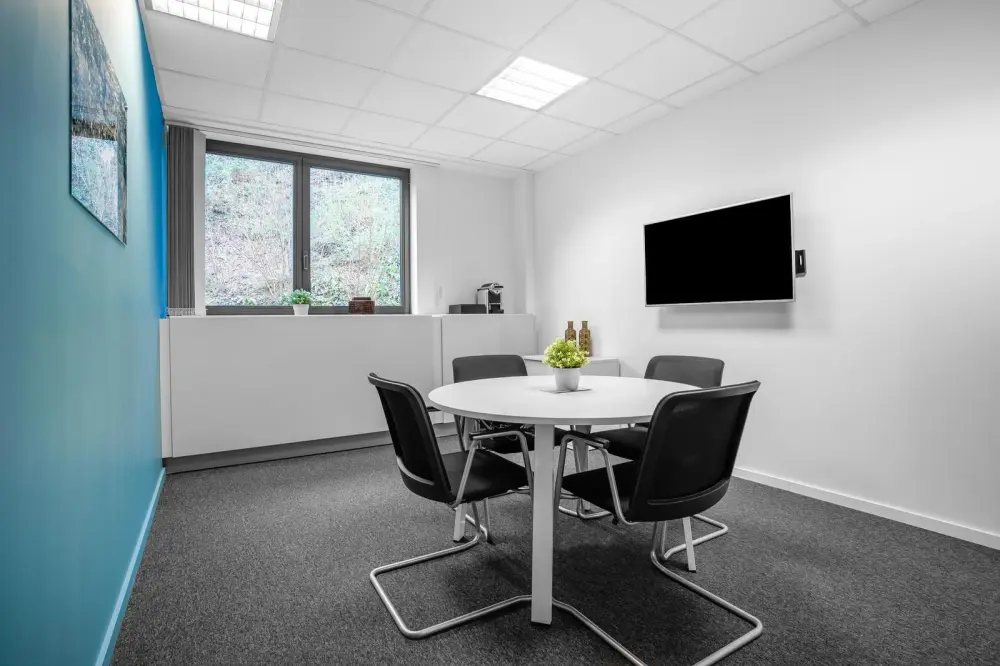
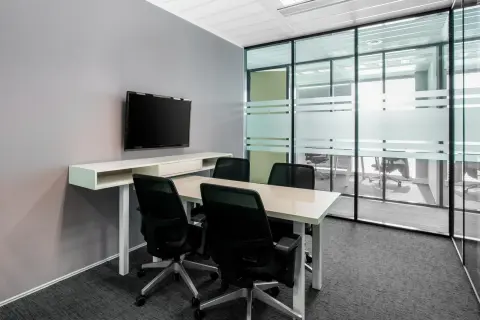
At some point, every company faces the situation where an email is simply not enough, a group chat brings more chaos than clarity and the coffee kitchen is far too small for serious discussions. Then there's only one thing to do: find a meeting room in Hamburg - preferably with a view of more than just the gray office corridor, of course.
Choosing the perfect conference room in Hamburg
Why Hamburg of all places? If you've never experienced the Alster, Elbe or Speicherstadt, you can confidently take a look out of the seminar room. This northern German gem has event rooms that are as varied as the weather at the harbor. Incidentally, it is also worth taking a look at Bremen if you are looking for professional conference rooms in Bremen.
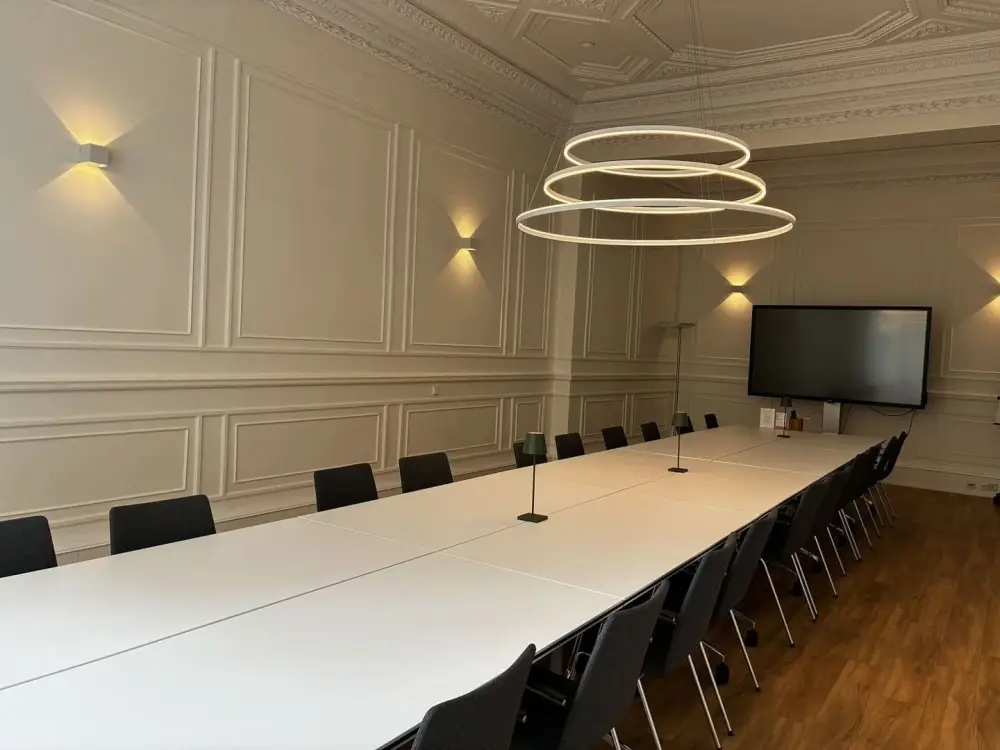
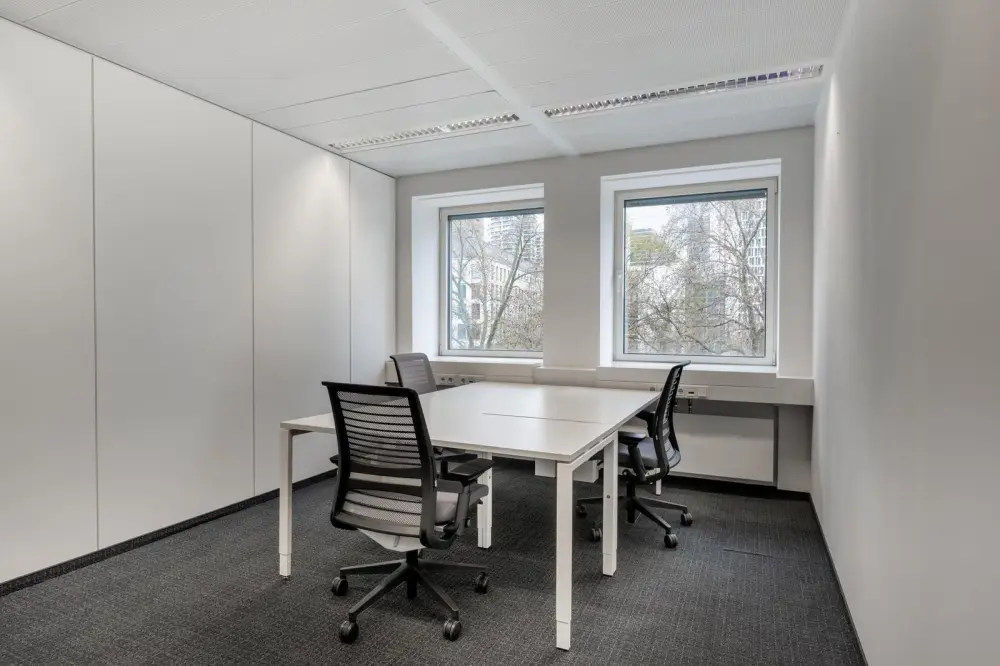
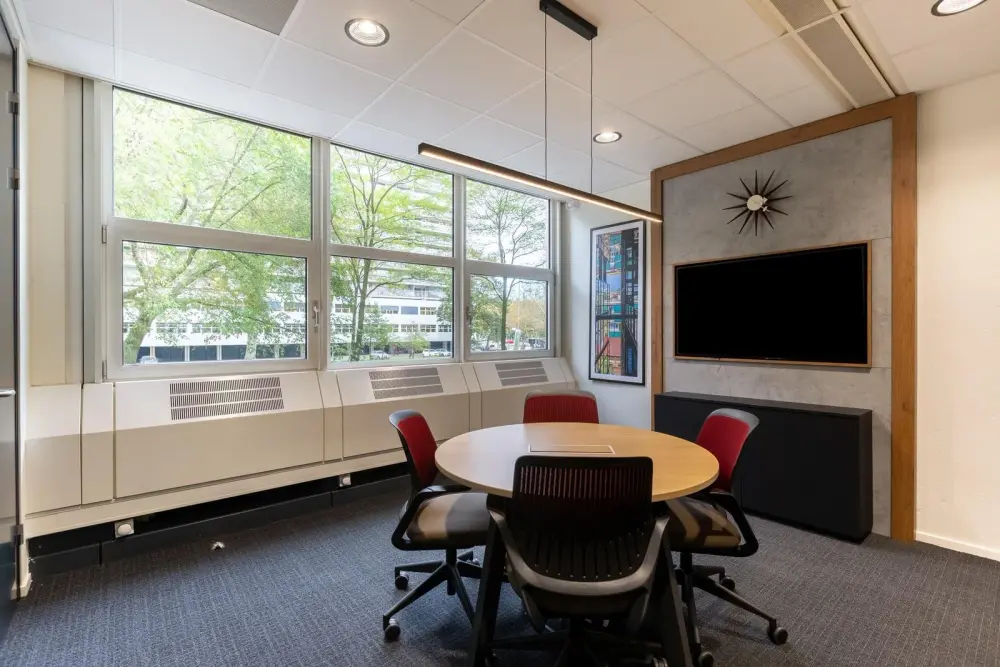
Whether it's a team meeting with two people, a board meeting with ten decision-makers or a workshop with up to 50 colleagues - between Schanzenviertel and Blankenese, the right conference room is guaranteed to be waiting to be filled with creative ideas.
Which districts are particularly suitable?
Hamburg's districts bring their very own flavor to the game. What would an inspiring meeting room be without a Hanseatic backdrop? The selection ranges from modern to quaint, from maritime to urban - every company will find its favorite ambience.
Hafencity: modern meets maritime flair
The view of the water is said to motivate even the most tired accountants. If you book an event room in Hafencity, you can enjoy modern architecture, short distances to the Elbphilharmonie concert hall and well-equipped rooms. Here, every presentation surfs on a wave of success.
Meeting rooms in this district shine with light-flooded glass fronts, flexible technology and equipment that combines minimalist charm with maximum functionality. For events in Lower Saxony, we also recommend using Hanover conference rooms.
Schanzenviertel: creative and urban
Creative companies feel right at home in the Schanzenviertel between street art and vegan flat white. A conference room here exudes young energy, but still offers professional technology: Wi-Fi, modern presentation media and flexible breakout options make workshops come alive.
There is often stylish seating and the best catering right around the corner - catering ordered, pizza delivered, team happy.
Altona & city center: variety and central location
Anyone looking for larger groups or special flexibility is in good hands in Altona - spacious event rooms with flexible seating ensure that spontaneous team changes are no problem. The city center, on the other hand, scores with its central location, upscale catering and fast connections for all guests. Another interesting option for meetings in the north is Kiel conference rooms.
This means that every event can be planned perfectly, whether for a job interview for two or a department meeting with 40 people.
What are conference rooms and co. suitable for?
In Hamburg, conference rooms are available for almost every company format. From classic board meetings and team-building events to one-to-one meetings followed by a handshake - the possibilities are as varied as the city itself.
- Workshops where small groups can push tables
- Hybrid seminar rooms with high-tech equipment for international teams
- Event locations for departments that want to go above and beyond
- Conference rooms for quiet strategy days
- Colorful meeting places for casual networking
Small, charming meeting rooms can even be reserved for discreet job interviews - in a quiet location, with first-class equipment and ready for big decisions.
What makes a good seminar room?
Variety is nice, but it's the right equipment that makes every seminar room stand out from the crowd. In Hamburg, modern technology is simply a must: Projectors, flatscreens, fast internet and mobile boards ensure that no idea is lost.
The combination of a feel-good atmosphere and clever tools is what counts: The most creative meetings are held on comfortable chairs, and the latest presentation media get to the heart of every topic - from Excel spreadsheets to brainstorming diagrams.
The booking process - no odyssey through the Hanseatic labyrinth
It's amazing how complicated renting a conference room can sometimes be. First you have to compare offers, then make enquiries by fax (yes, that still exists) and finally the carrier pigeon signs the contract. But that's finally over!
Today, the magic word is: book and pay online. With platforms such as workin.space, booking a conference room in Hamburg is quick, transparent and without any annoying paperwork. This leaves more time for the essentials - and nobody loses their nerve in the administrative jungle.
How can additional services be combined?
A good conference room rarely comes alone. In most cases, an all-round carefree package is available, where catering, break snacks or technical setups can be conveniently booked in addition.
- Catering from sandwiches to sushi, everything available on request
- Drinks service including coffee flat rate for long meetings
- Practical equipment such as flipcharts, whiteboards and presentation cases
- Individual technology packages, tailored to the occasion and group size
With the right package, every company can save time and nerves. Who wants to have to complain about missing presentation media or empty water carafes just before the start?
Pricing and transparency: No more hidden costs?
Prices for event rooms in Hamburg vary depending on location, size and technical equipment. From inexpensive meeting rooms in Eimsbüttel to exclusive event locations in the city center, everything is possible.
| District |
Possible group size |
Typical price range per day |
Equipment options |
| Hafencity |
10-30 persons |
250-900 € |
Top technology, designer furniture |
| Schanzenviertel |
6-24 persons |
140-650 € |
Creative ambience, modern IT |
| Altona |
8-50 persons |
180-820 € |
Large areas, flexible seating |
| City center |
2-40 persons |
200-1200 € |
Central location, upscale catering |
Those who love transparency rely on digital solutions: Reserve the desired seminar room quickly and pay online - this way there are no surprises and planning runs smoothly.
How do digital solutions help with room bookings?
Long phone calls to arrange appointments and coffee types are a thing of the past. Digital booking systems start exactly where the bureaucratic madness would otherwise begin. Within a few minutes, the desired room is selected, the calendar coordinated and the invoice paid digitally.
Effortless reservation and payment
Even newcomers find their way around immediately: simply select the desired date, determine the room size, book presentation media and catering as required - and you're done. Access to available meeting rooms is intuitive, so no one loses valuable time.
Particularly practical: after successful payment, all access information is conveniently sent by e-mail. The event team can breathe easy while the anticipation builds.
Flexibility without extra costs
If additional participants turn up spontaneously or additional technology needs to be booked, this is now just as easy with a click. Good platforms show directly which options are available and provide information about short-term availability.
This keeps the organization flexible, while the costs always remain transparent. Overcrowded paper requests and time-consuming feedback finally end up in the Hamburg Museum of Communication History.
workin.space: The smart solution for meeting rooms in Hamburg
If you finally want to rent a suitable meeting room in Hamburg in an uncomplicated way, sooner or later you will end up at workin.space. Here, reservations can be made online in just a few clicks, including secure payment and a direct overview of available dates, equipment and additional services.
Whether it's a spontaneous job interview in the city center or an all-day workshop in the Schanzenviertel - workin.space makes the search for the perfect space easier than ever. No paperwork, no hidden fees, just full control and transparency.
Why Hamburg is not only known for fish sandwiches
Conference rooms in Hamburg have long since ceased to impress with their Hanseatic chic or proximity to the harbor. The diverse range of options attracts companies from all over Germany, whether for a short strategy meeting or an innovative workshop with unusual snacks.
With professional event locations in the Schanzenviertel, top locations on Jungfernstieg or spacious seminar rooms in Altona, any goal can be achieved. Early planning and digital support create advantages: Less stress, more focus on the essentials - and maybe even a foretaste of the next coffee break with a view of the Elbe.
SIH Seminar room rental in Hamburg GmbH Rental & Event
- Category Activity : Congress center
- Address : Mexikoring 15, 22297 Hamburg
The HAY LOFT - function rooms for seminars, meetings and events
- Category Activity : Event room
- Address : Schanzenstraße 12a, 20357 Hamburg
Seminar rooms Holzhafen Hamburg
- Category Activity : Event room
- Address : Große Elbstraße 47, 22767 Hamburg
Seminar room Hamburg - Pilatuspool
- Category Activity : Event room
- Address : Pilatuspool 7A, 20355 Hamburg
Meeting rooms - Hamburg
- Category Activity : Function room
- Address : Heidenkampsweg 45, 20097 Hamburg
Ballindamm meeting room Hamburg by Spacebase
- Category Activity : Event room
- Address : Ballindamm 13, 20095 Hamburg
Universal Rooms - Conference rooms & meeting rooms
- Category Activity : Event room
- Address : Mühlenkamp 6c, 22303 Hamburg
Workshop room Hamburg
- Category Activity : Event room
- Address : Hongkongstraße 3, 20457 Hamburg
Lilienhof business center hamburg - rent conference rooms, offices, workplaces or business address in the middle of Hamburg-City
- Category Activity : Office space rental
- Address : Lilienstraße 11, 20095 Hamburg