











































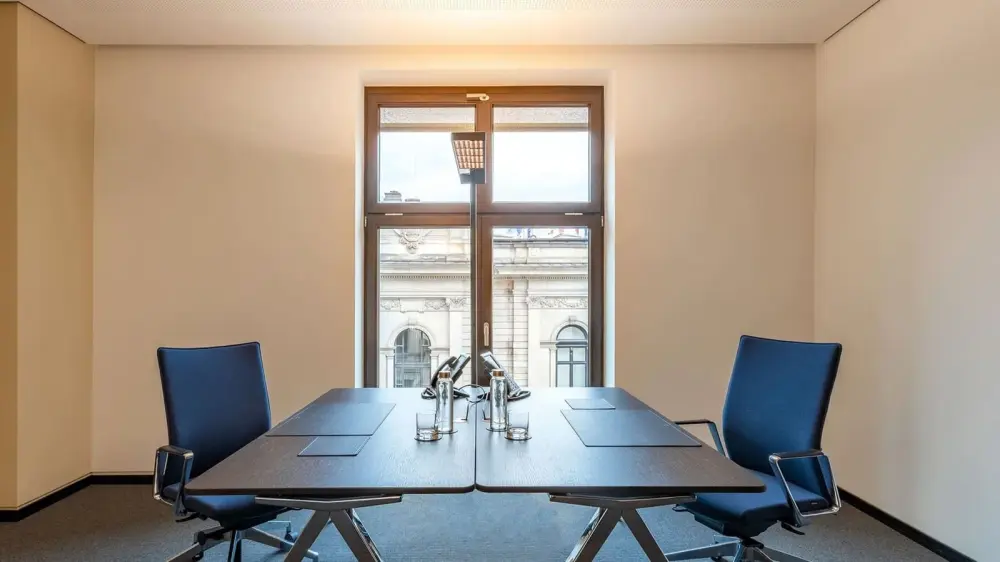
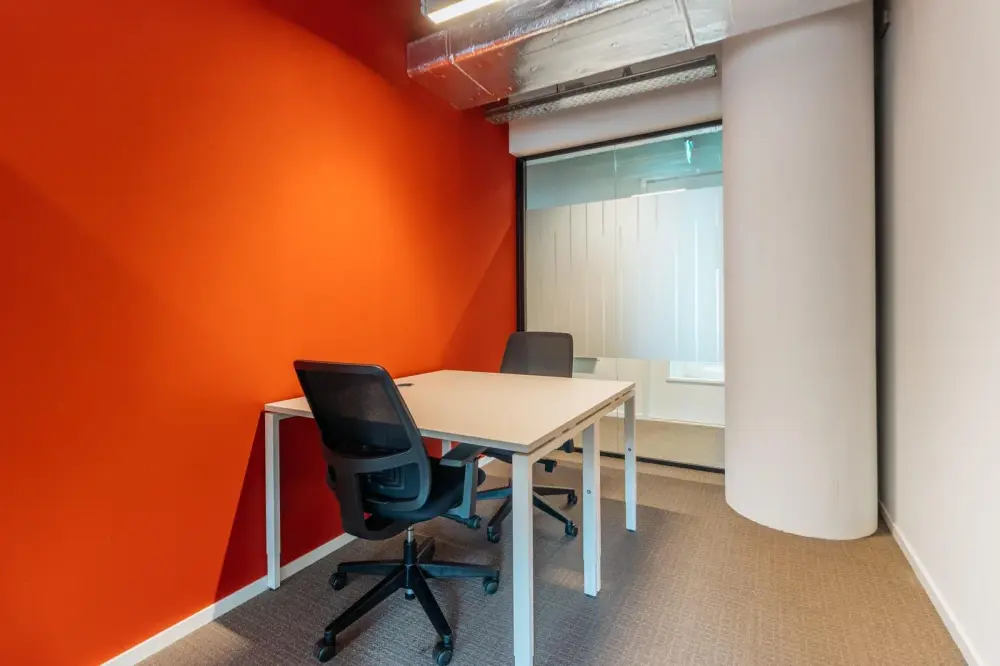
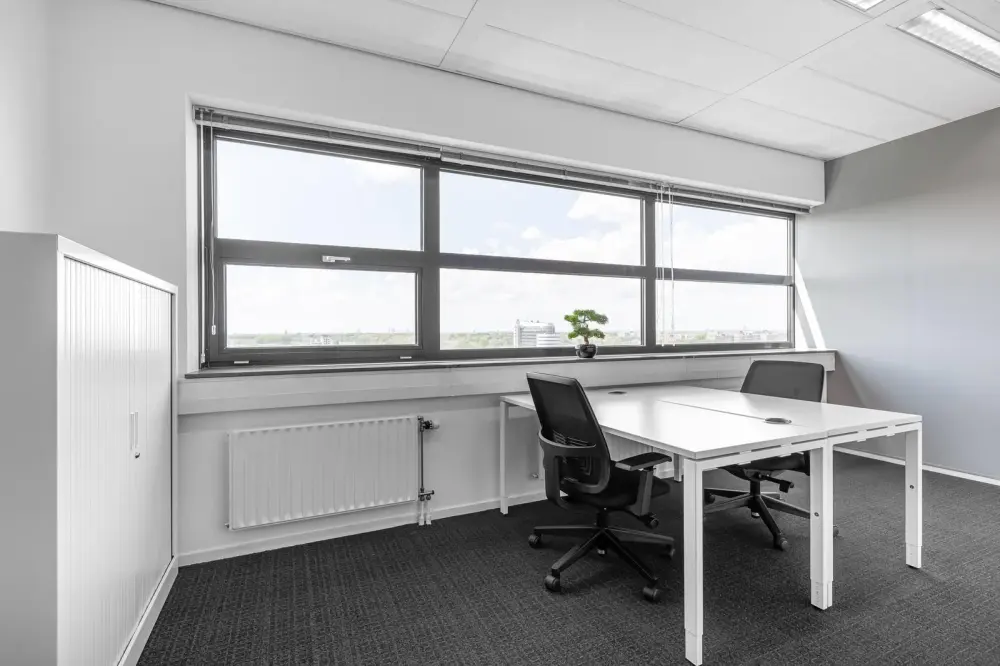
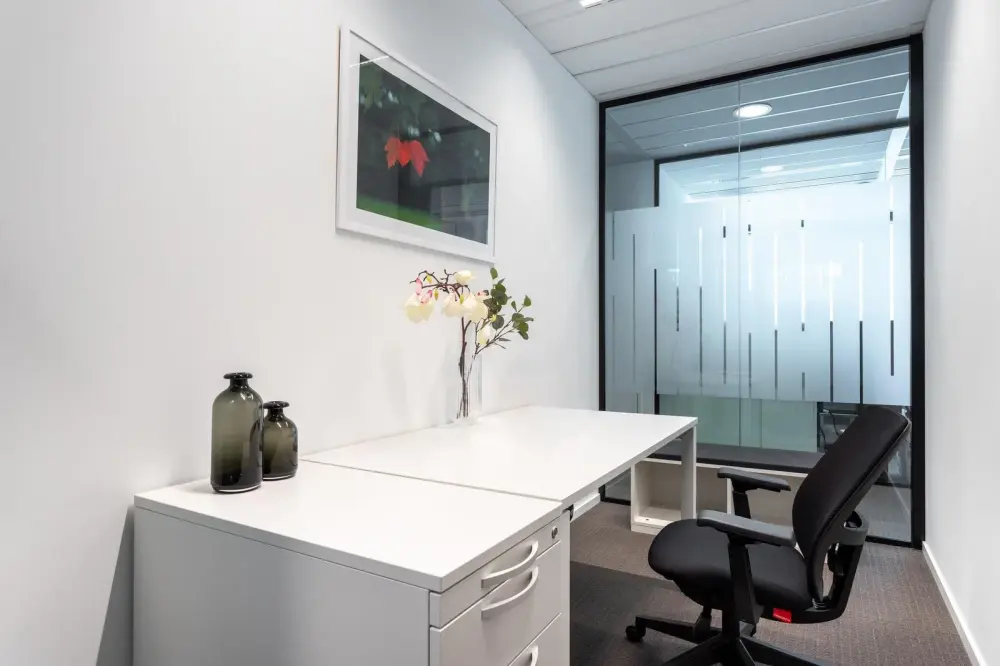
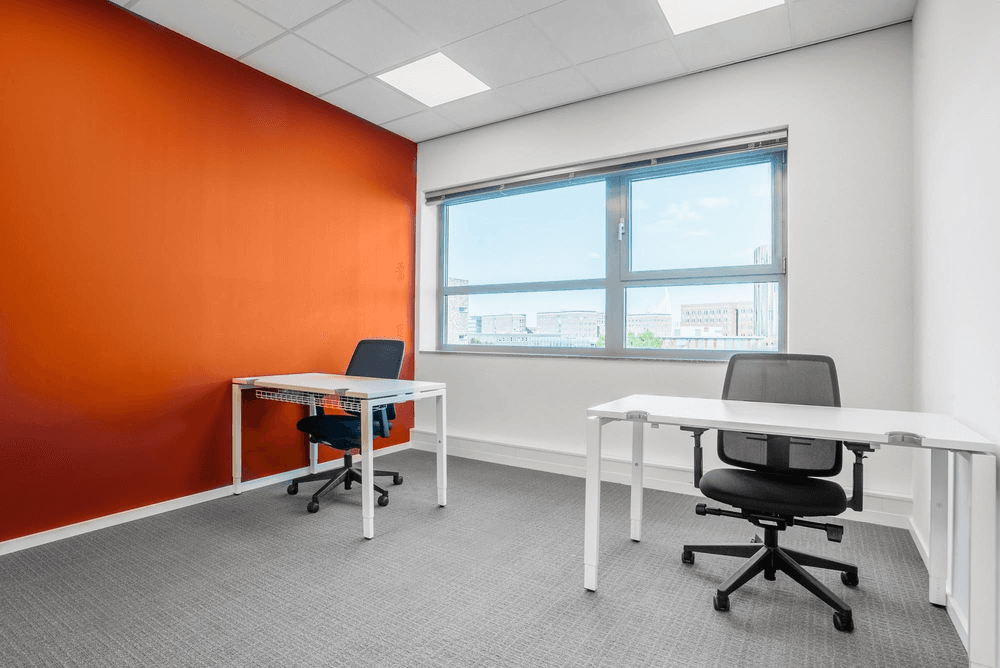
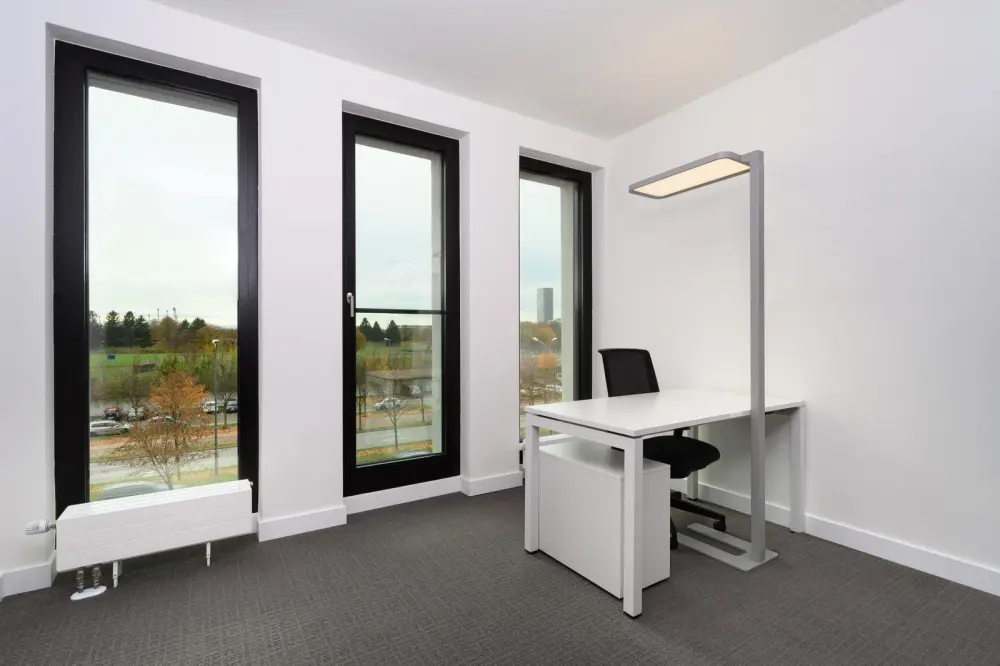
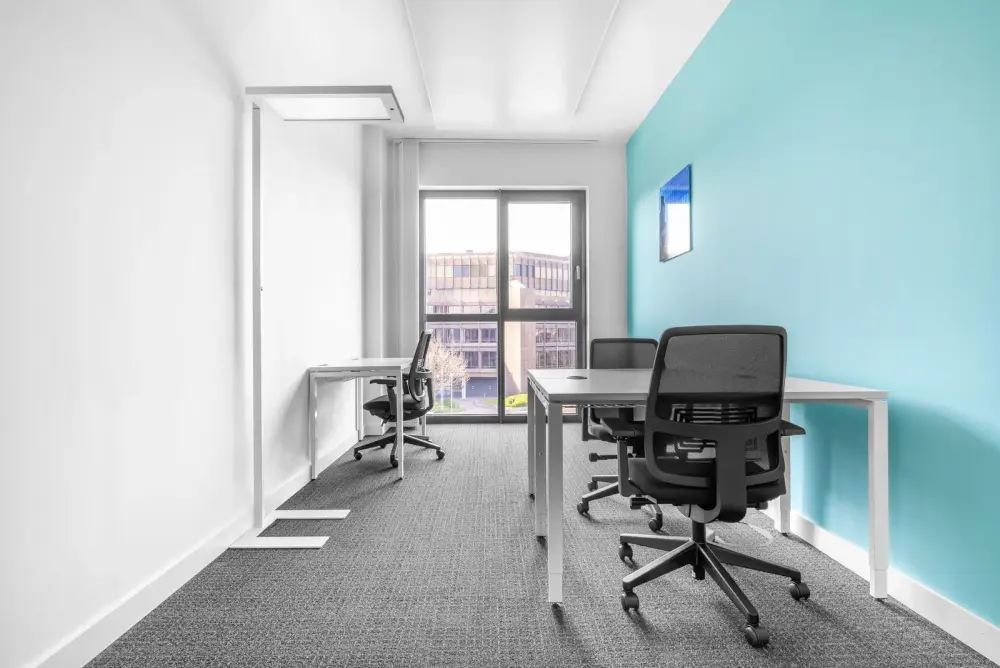
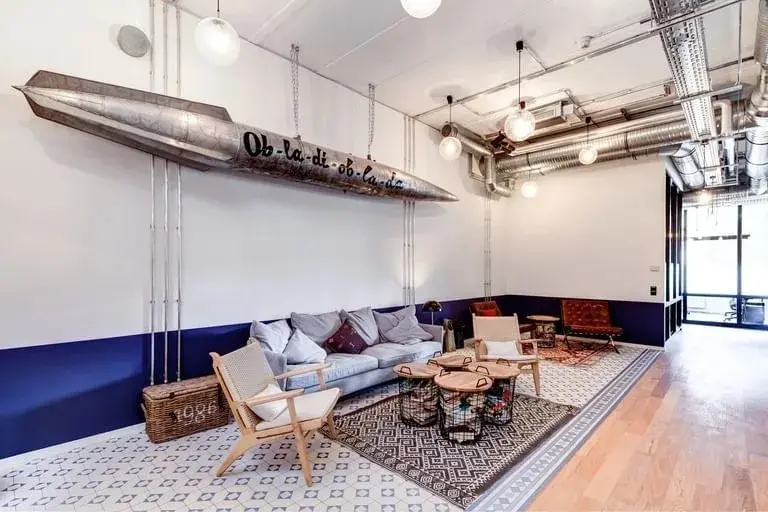
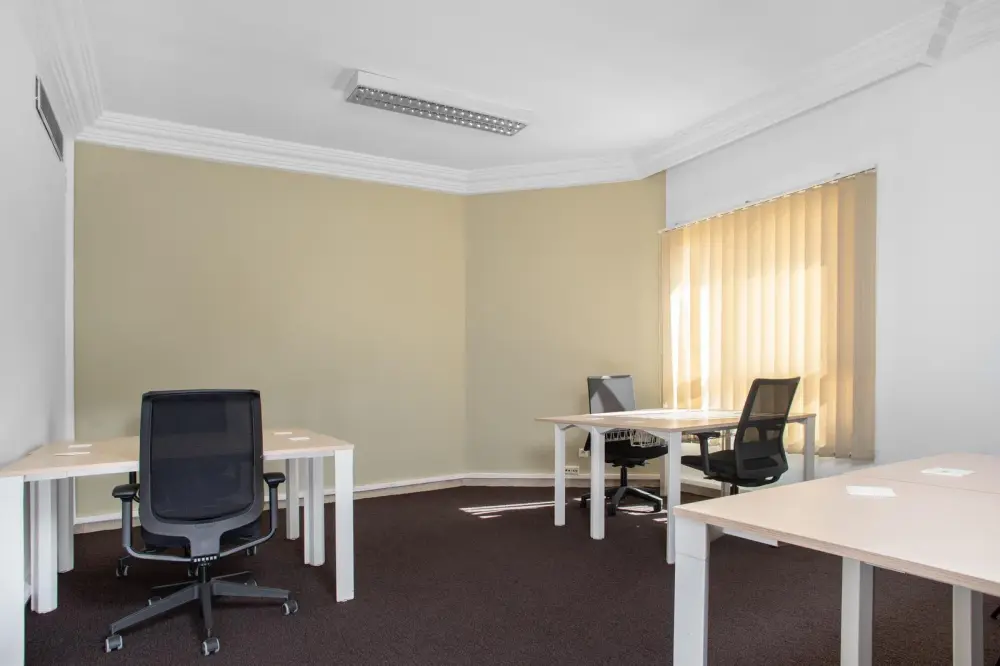
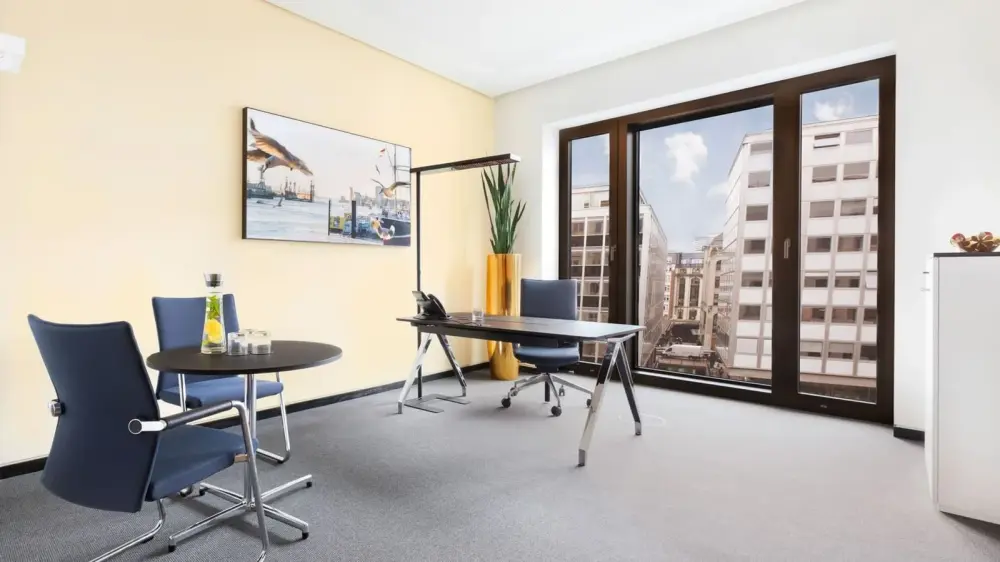
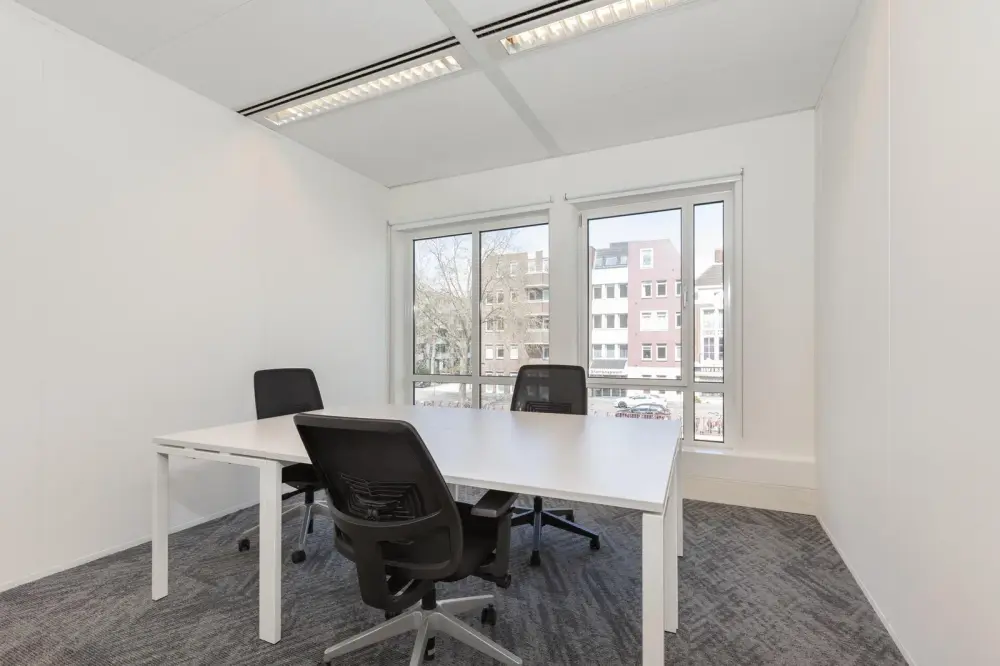
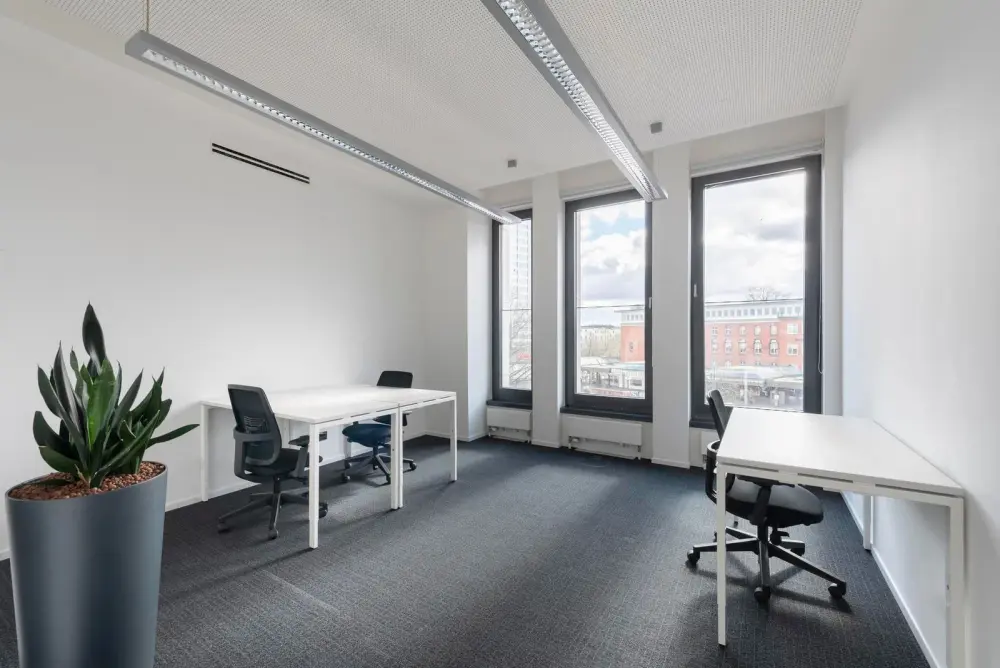
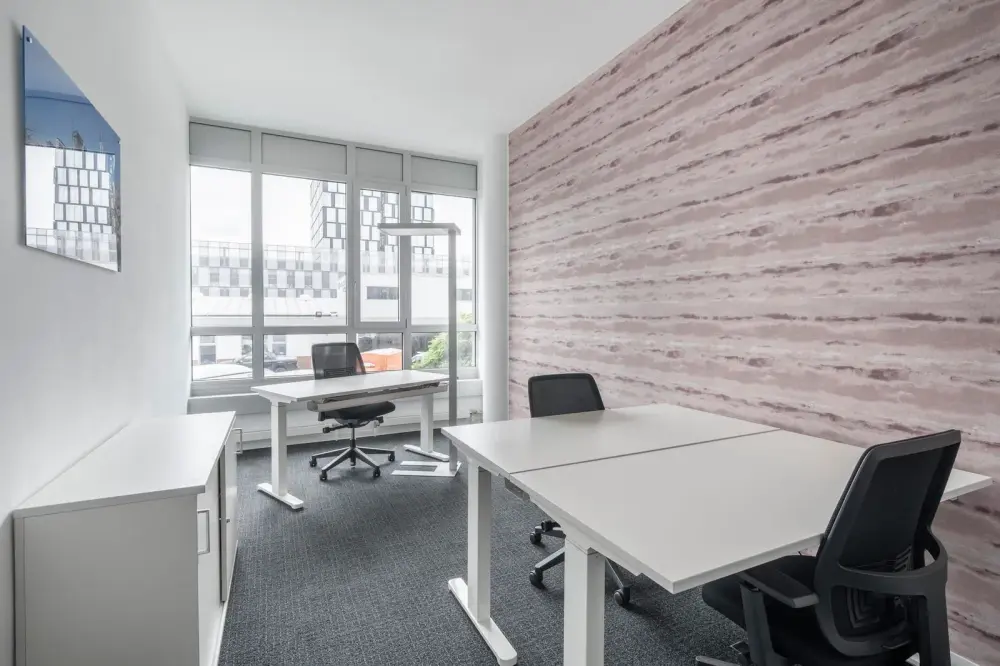
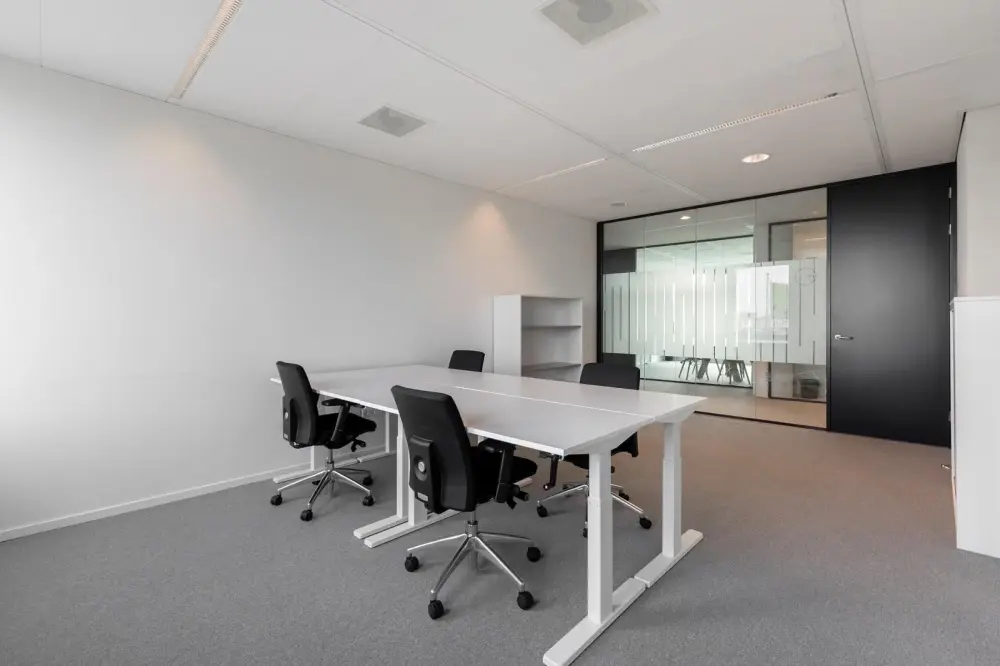
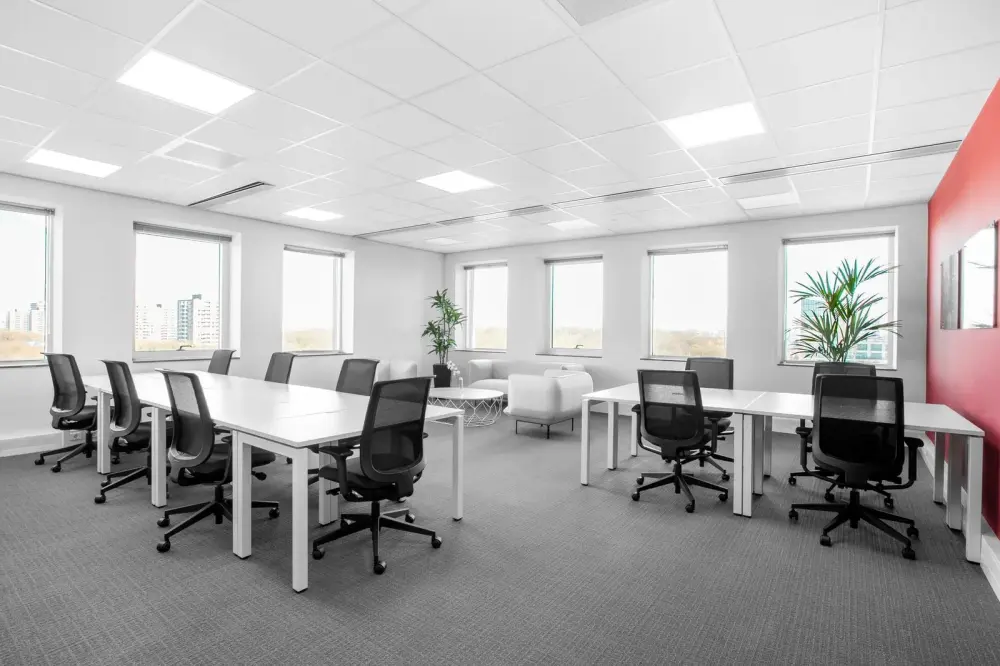
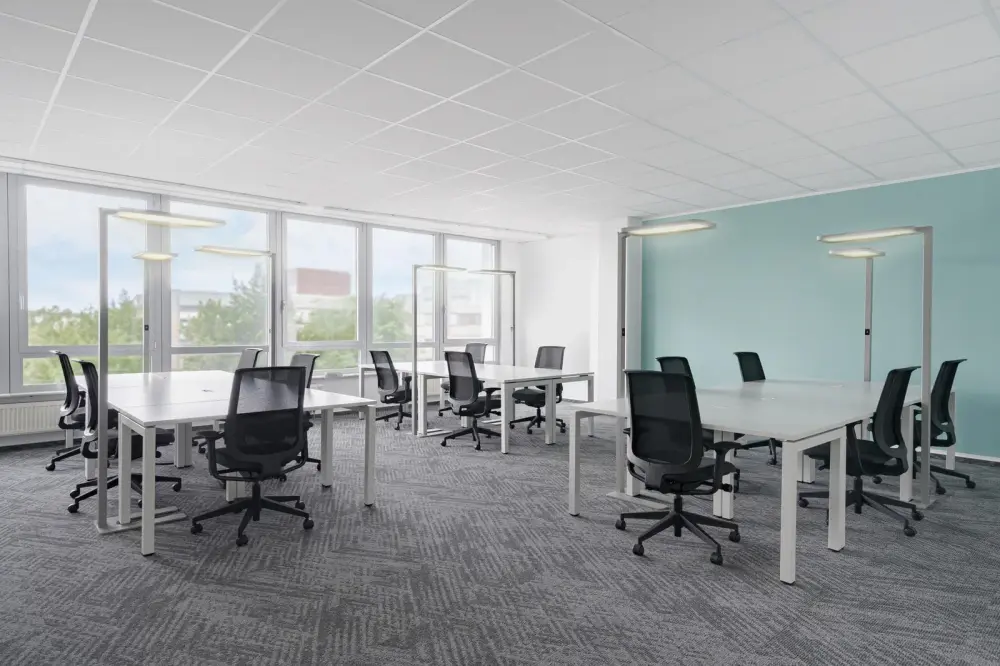
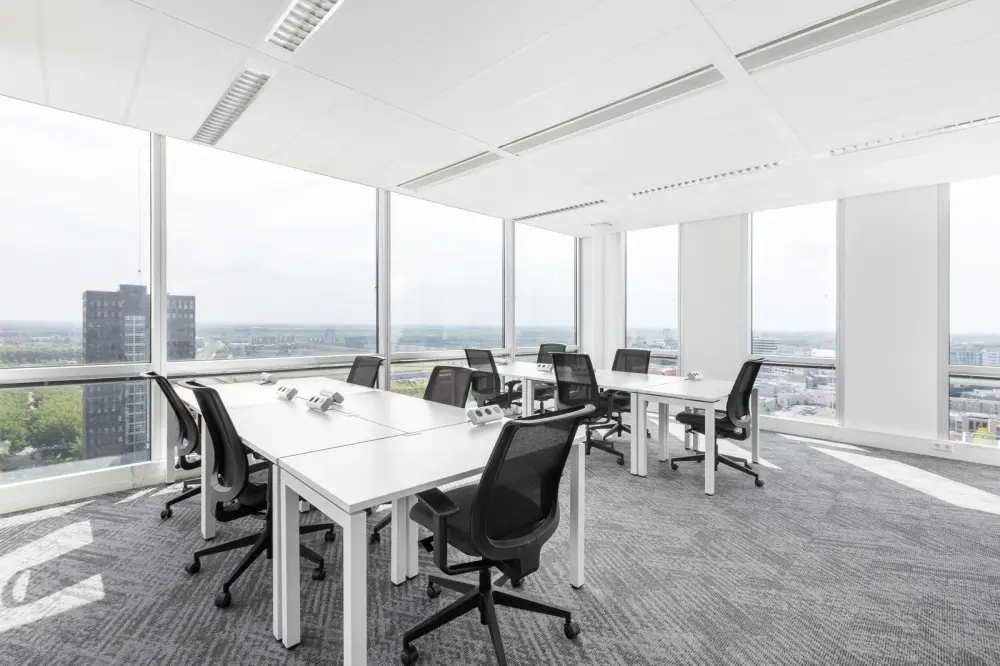
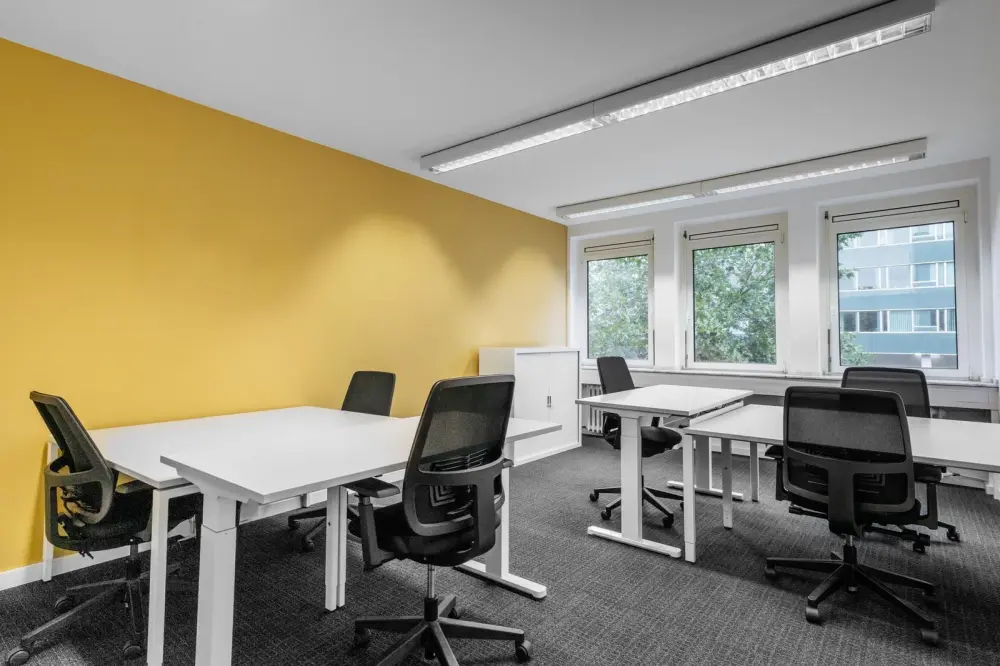
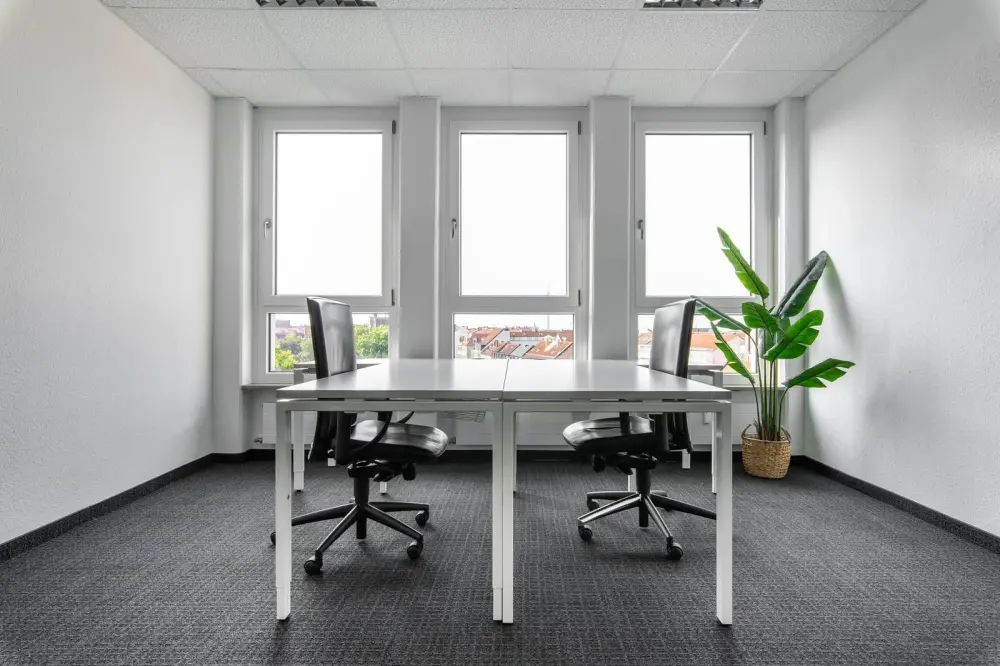
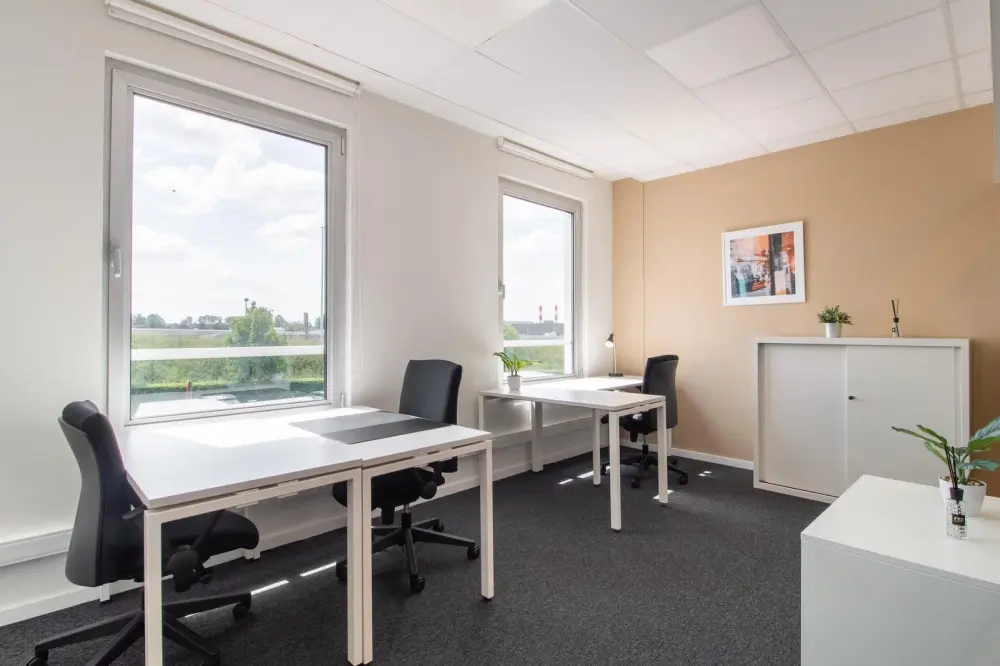
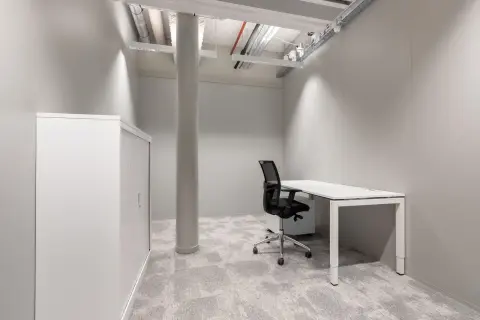
Booking a private office by the day in Hamburg gives distributed teams, business travelers, and local companies immediate access to fully furnished, confidential workspaces without long-term lease commitments.
Securing private day offices in Hamburg from 77 EUR
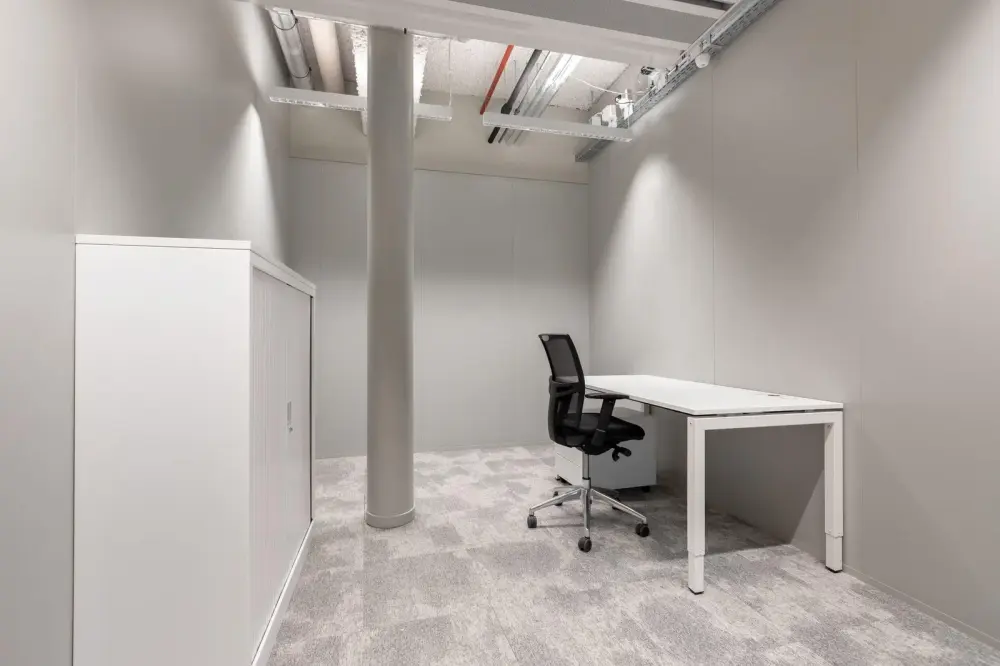
Securing an individual workspace begins at 77 EUR excl. tax per day at Regus HAMBURG, Bergedorfer Tor, providing an affordable private workstation with professional infrastructure. Across the wider inventory, daily pricing scales up to 3416 EUR excl. tax, while the median market rate settles around 484 EUR excl. tax per day. This spread allows businesses to adjust desk counts strictly according to project duration, whether hosting a single client debrief or assembling a full department.
Team requirements scale according to project size and operational setup. For small project squads, 134 offers are ready to book for groups seeking immediate space. When gathering larger leadership groups, 49 offers provide extensive capacity across the city.
Transit convenience within 600 m of Stadthausbrücke and Meßberg
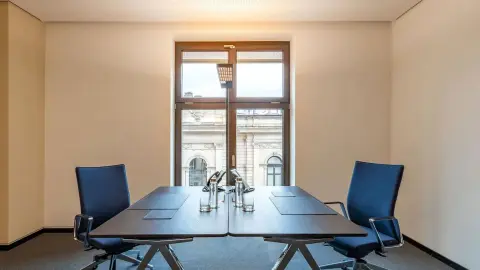
Commuting efficiency dictates productivity during full-day offsite meetings. In Hamburg, 19 venues are situated within 600 m of a train or metro station, keeping walking times minimal for arriving team members and out-of-town guests.
Station clusters are particularly concentrated around Stadthausbrücke, which serves 5 venues directly on the urban transit network. Nearby transit hubs around Meßberg account for 4 venues, offering fast connections across the city.
Choosing between Regus, Spaces, and boutique hubs in Hamburg
Network scale defines the local commercial supply, where major operators manage the bulk of turnkey stock. Regus operates 82 offers across 10 venues, offering consistent enterprise amenities and standardized layouts. Design Offices provides 33 offers across the market, tailored for collaborative team sessions.
Larger team operations benefit from flexible campus-style facilities. Spaces contributes 28 offers across 2 venues, including the largest private day office in the city, accommodating 43 people at Spaces Hamburg, Spaces Hammaburgplatz.
Independent centres deliver distinct alternatives to international chains. Venues such as Contora Office Solutions - Hamburg Alter Wall, ABC Workspaces Airport - Hamburg, and Mindspace Hamburg provide tailored hospitality, distinctive architectural settings, and dedicated on-site support. Selecting an independent address suits executive board retreats or sensitive client presentations where local character takes precedence.
Pricing efficiency across 167 private workspaces
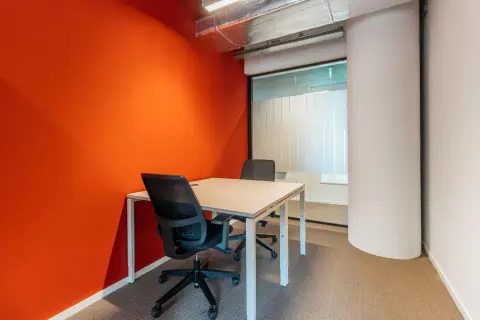
Full-day reservations consistently prove more cost-effective than hourly bookings when sessions run past lunch. Across 166 offers sold by the hour, the median rate reaches 88 EUR excl. tax per hour, meaning a full day package provides better budget control. For half-day requirements, rates start from 55 EUR excl. tax, offering a practical compromise for morning or afternoon workshops.
Practical booking criteria for Hamburg corporate workspaces
Securing space on short notice requires frictionless operational workflows. A total of 159 offers feature instant confirmation, ensuring your room is confirmed immediately without waiting for manual approvals. Payment is completed securely online at booking, and a formal invoice is issued upon confirmation.
Key logistical points to verify prior to payment:
- Review the specific cancellation terms displayed prior to payment to maintain scheduling flexibility.
- Note the minimum booking duration of 1 hour at IWG centres including Regus and Spaces.
- Order any required catering at least 48 hours ahead of your arrival to guarantee service.
- Check building amenities, as natural light, air conditioning, and high-speed internet are equipped across all 21 venues.