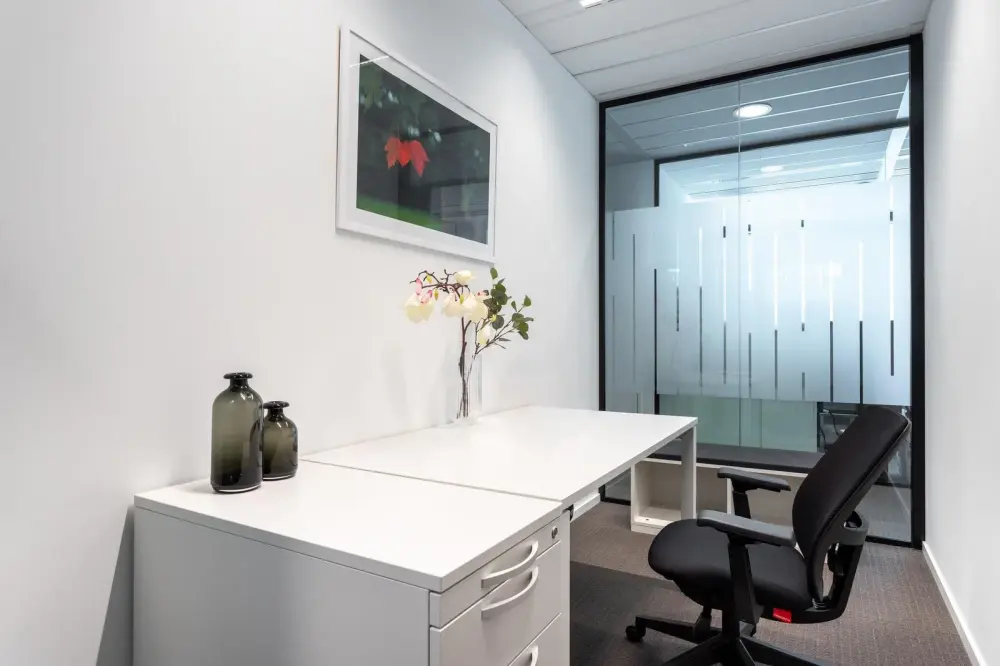
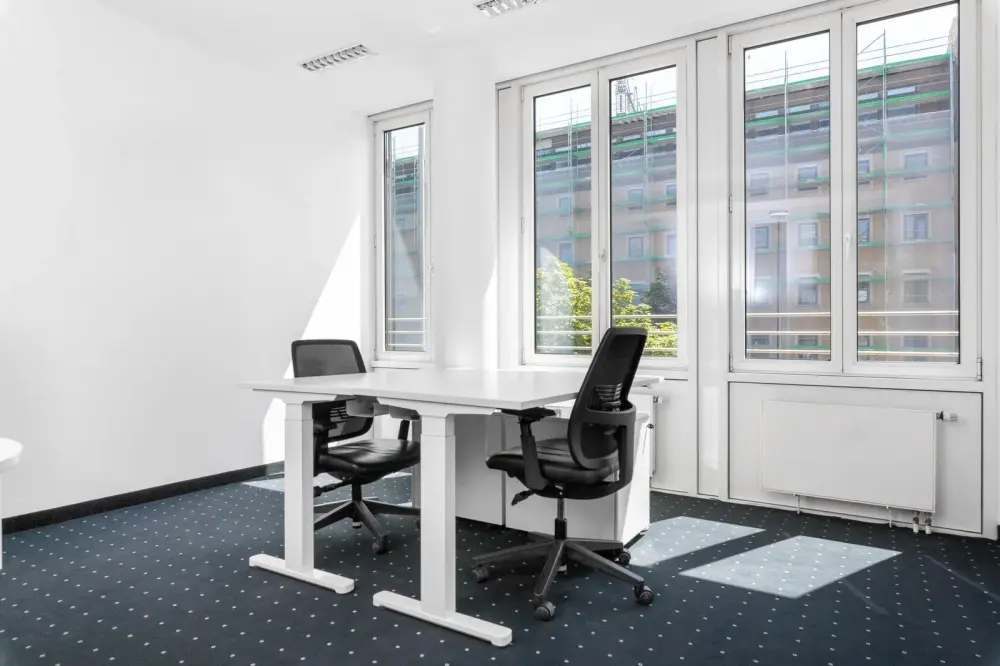
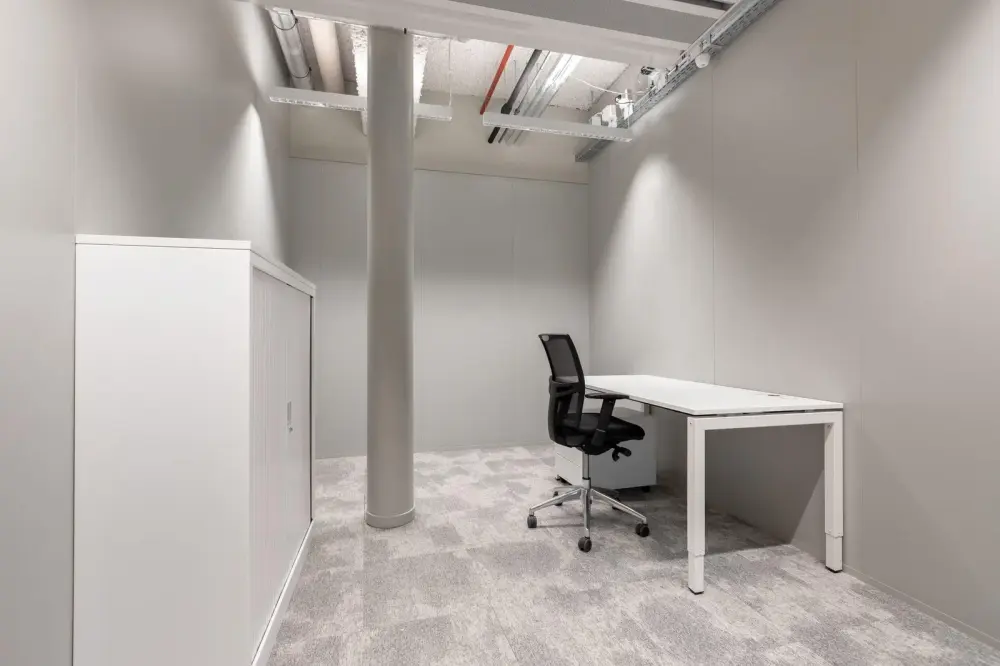
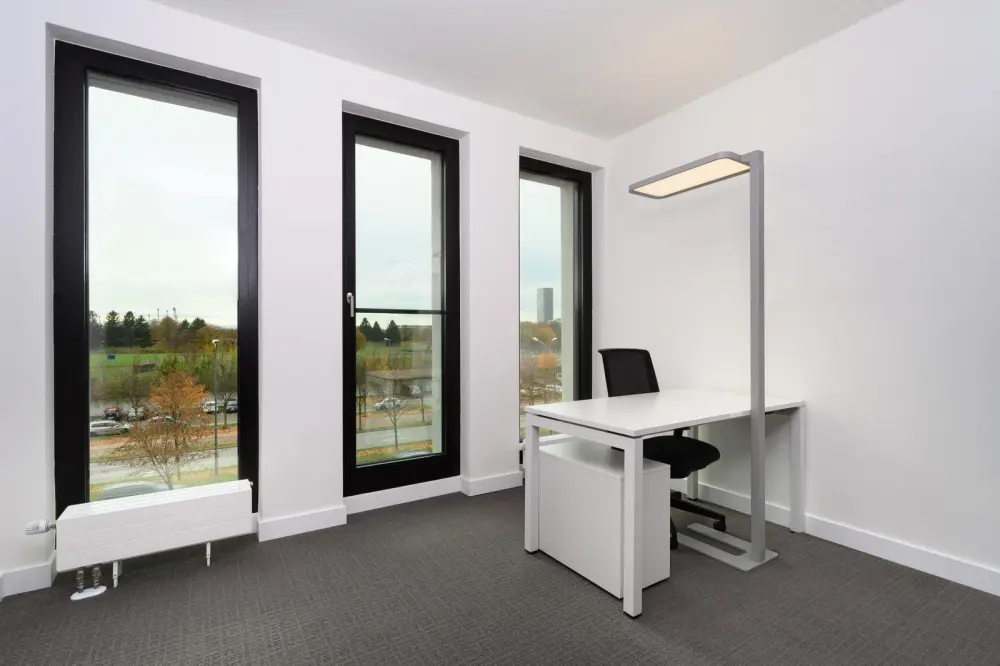
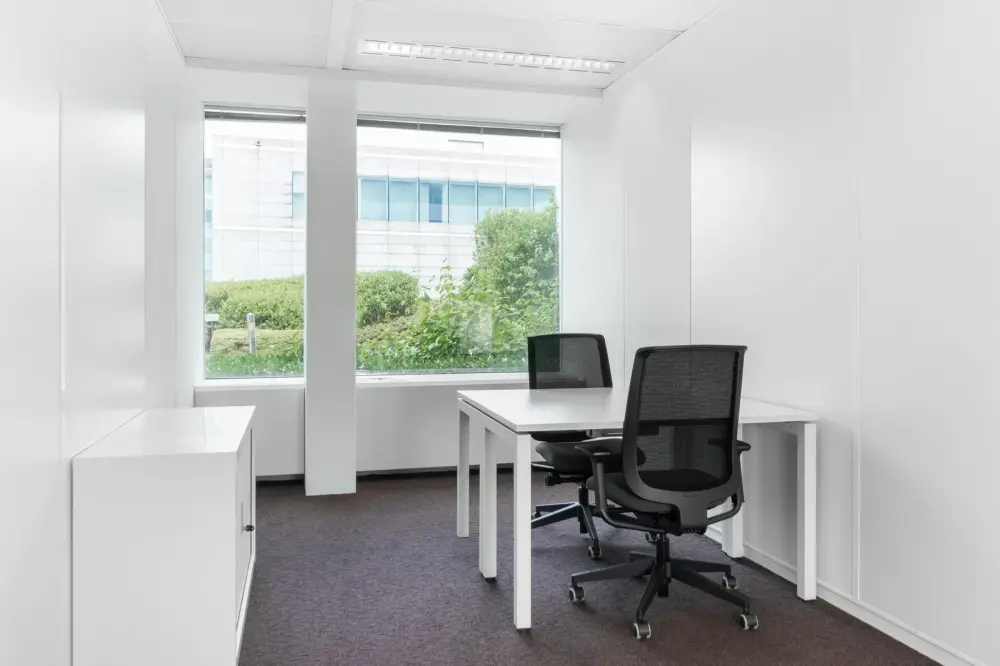
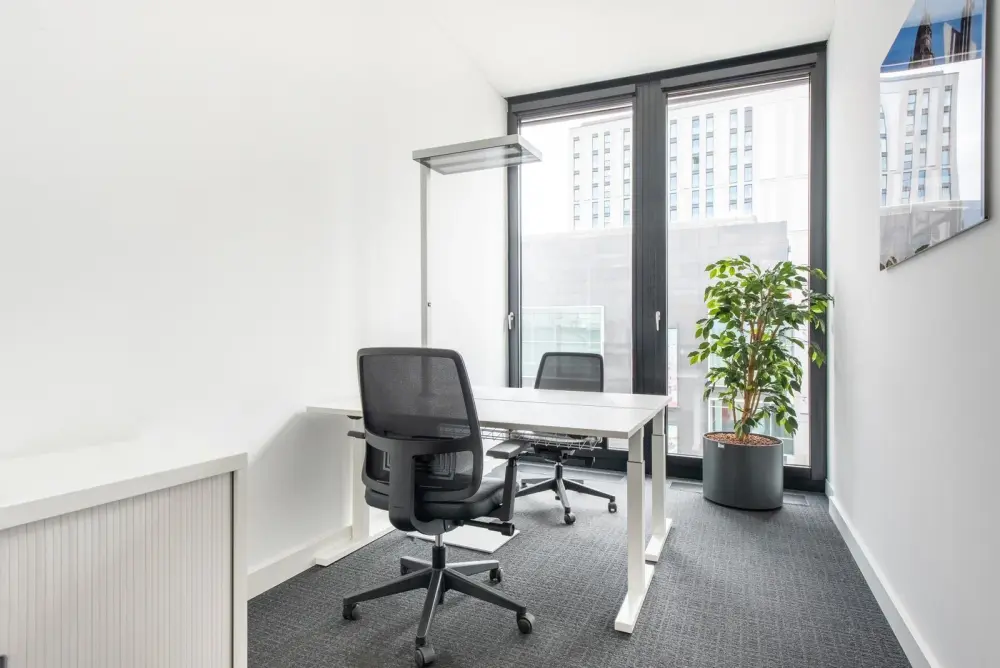
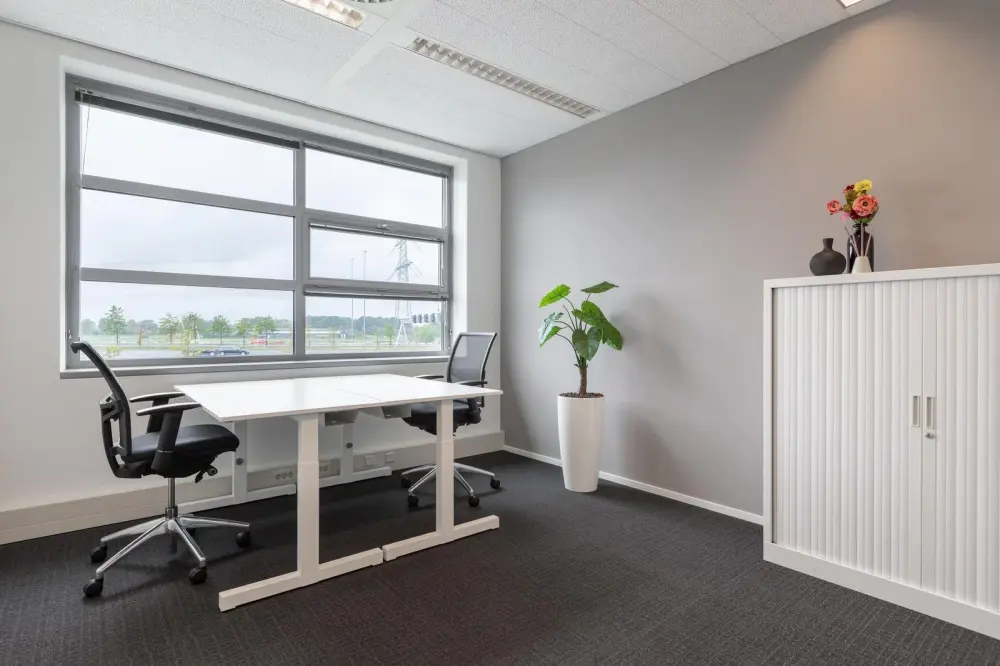
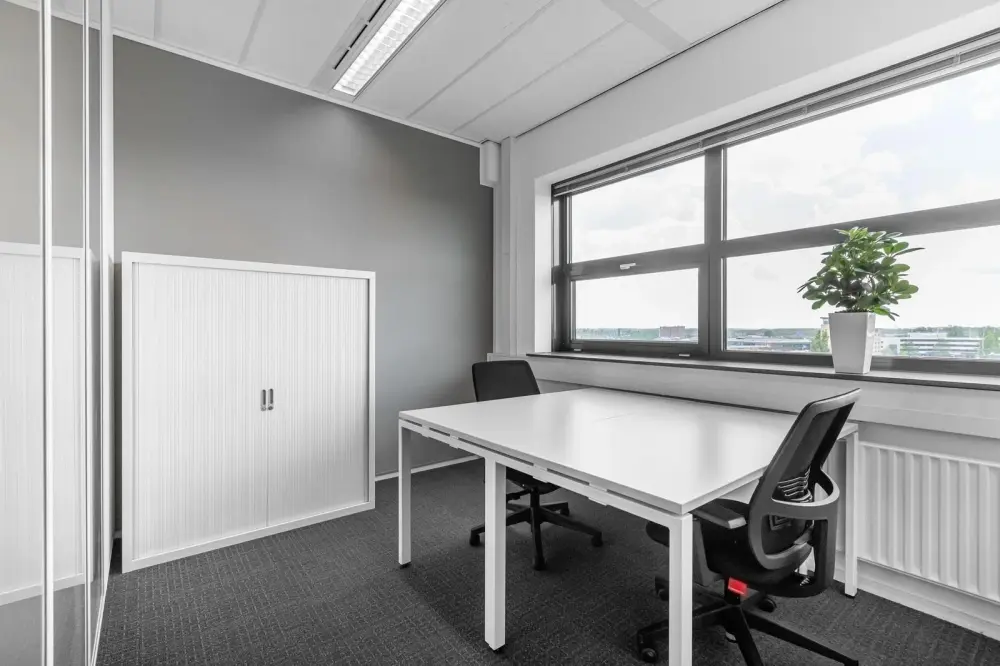
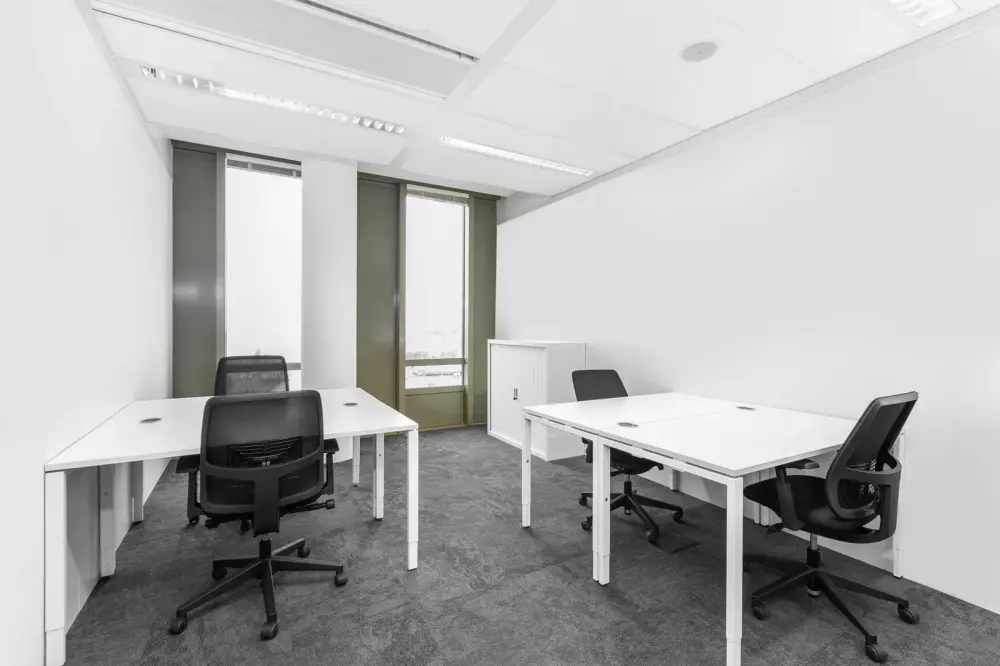
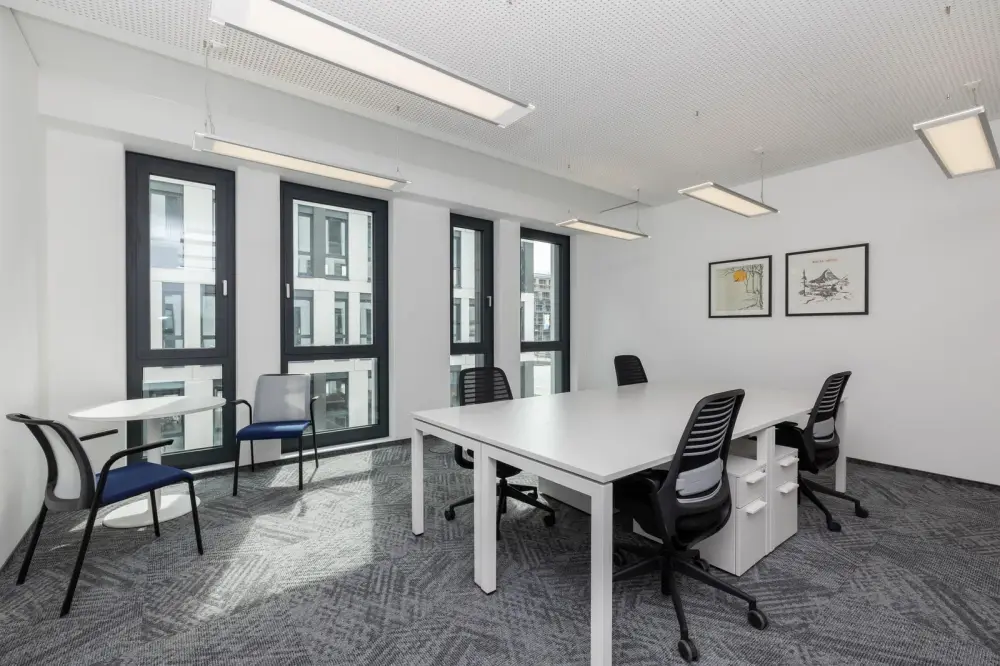
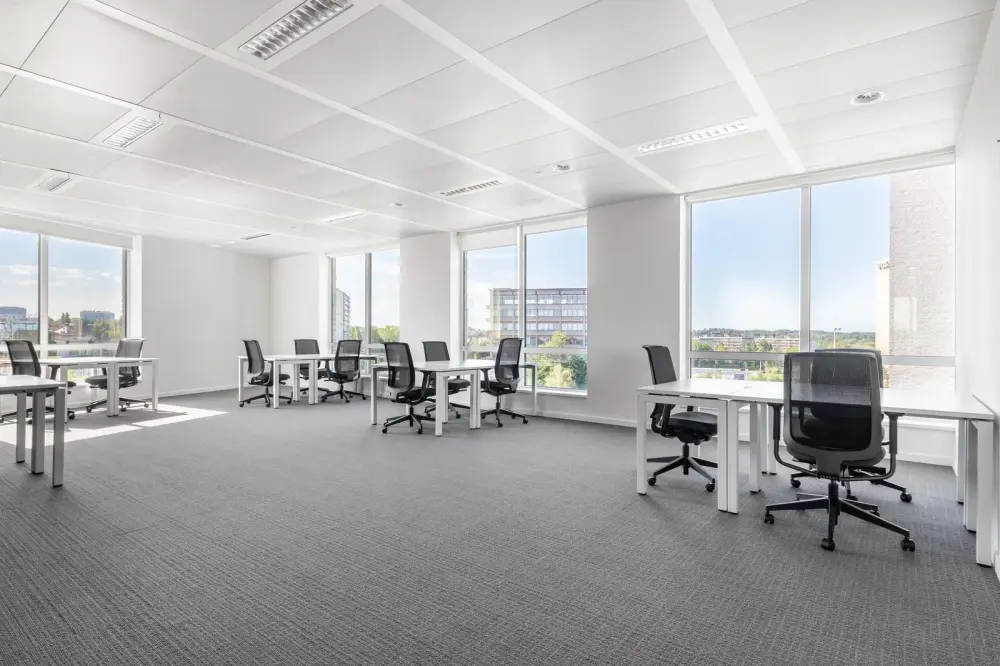
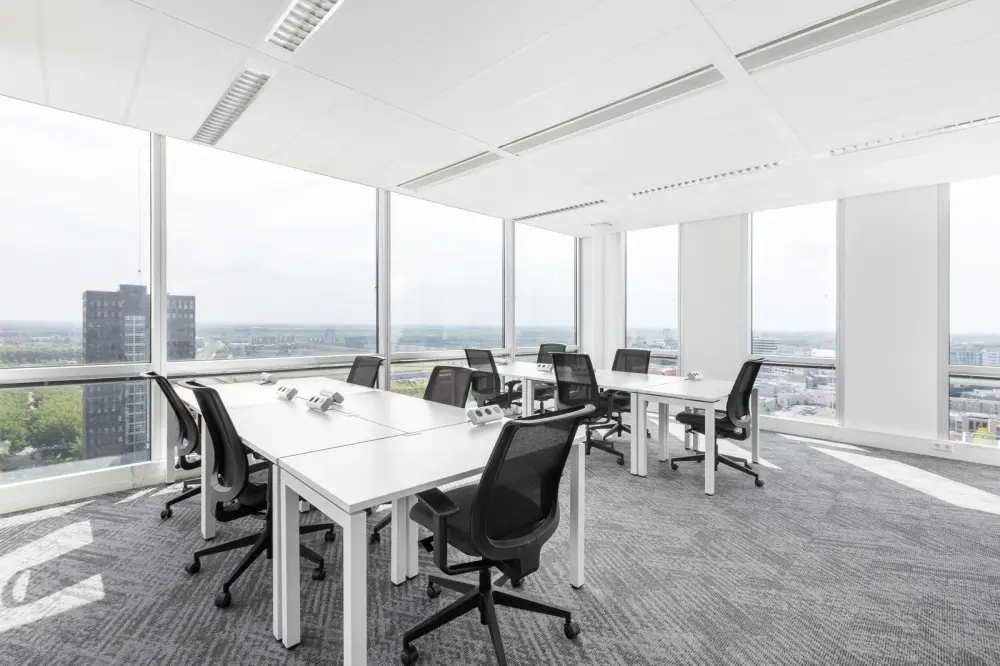
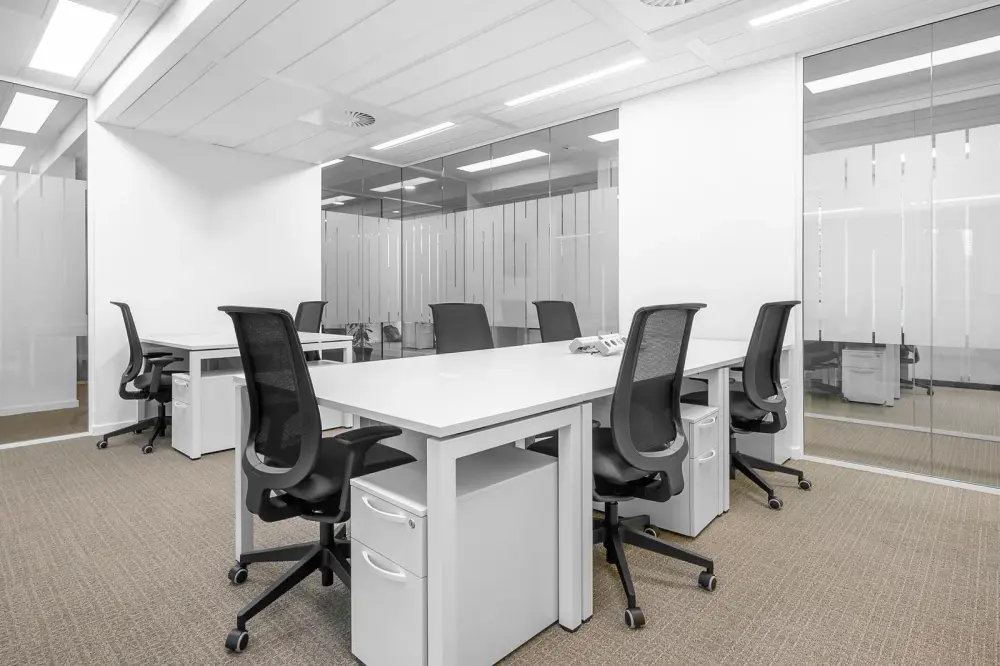
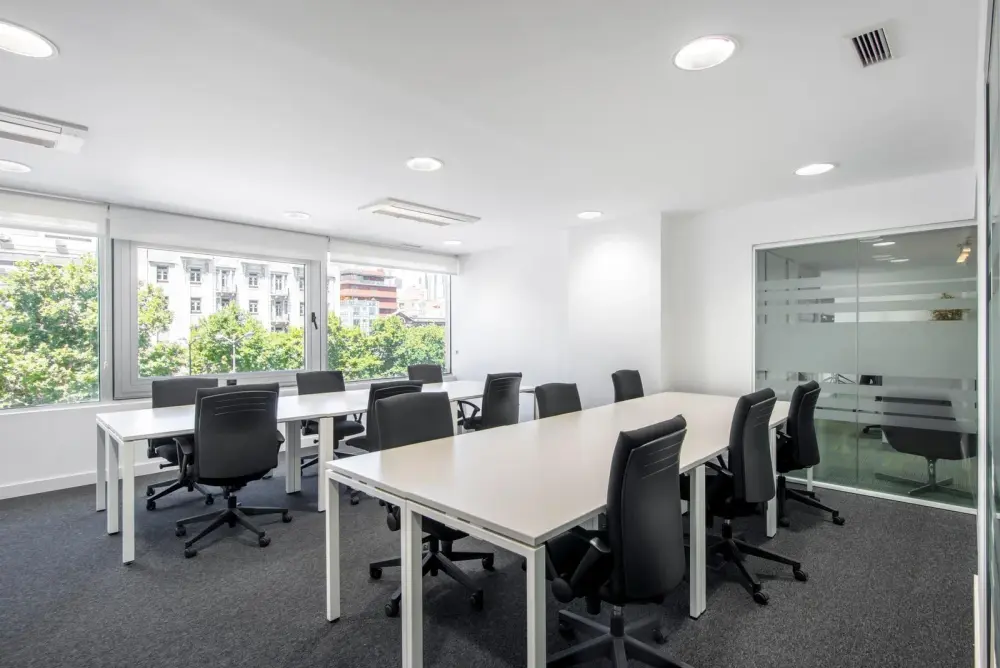
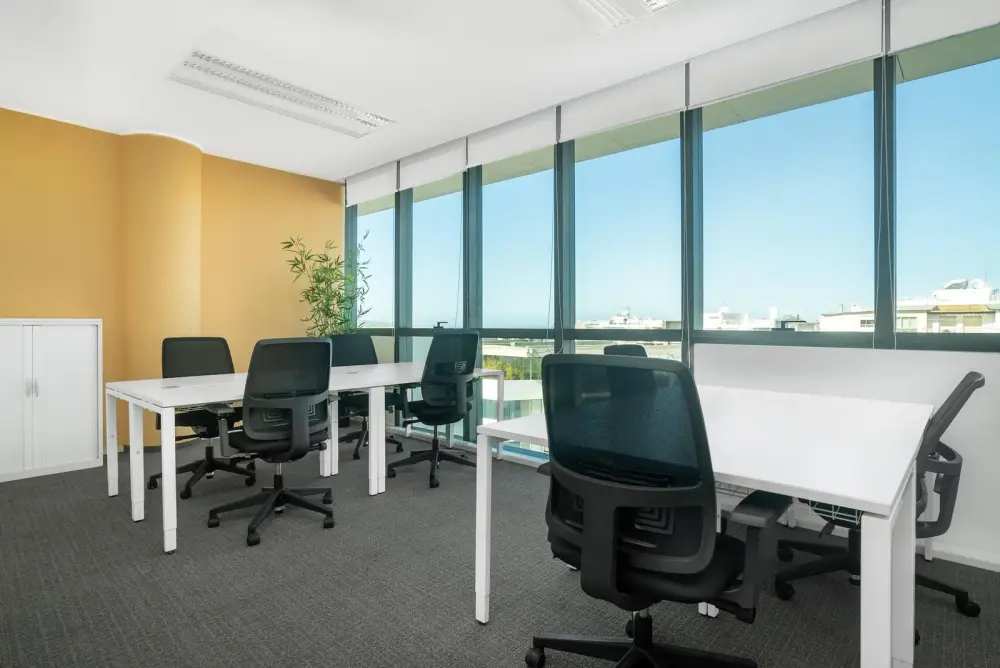
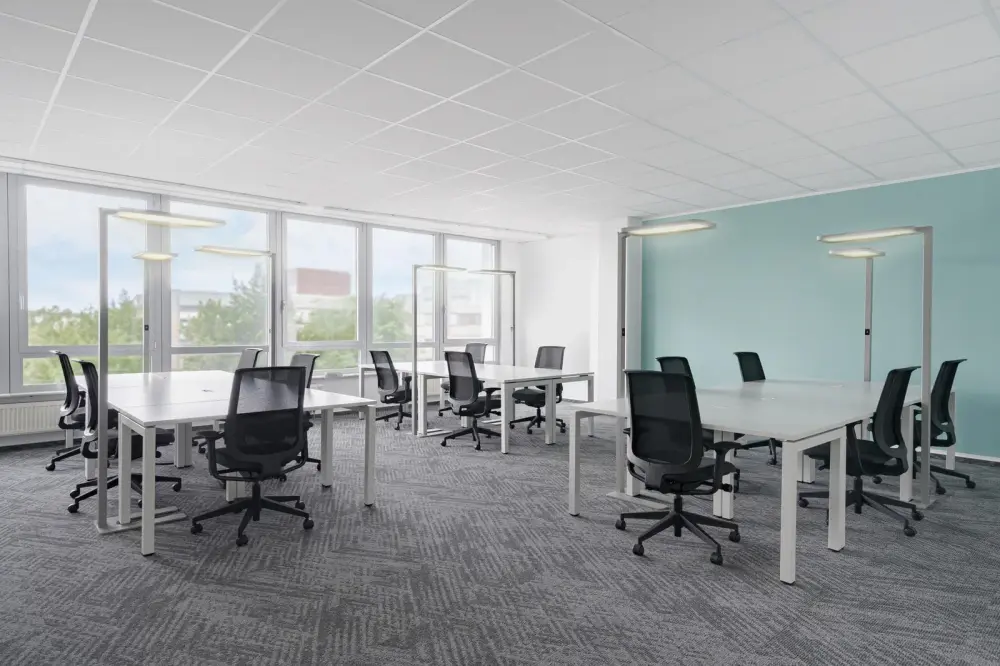
Azadeh B.Meeting room · 4 pers.10 / 10
The staff were incredibly friendly and made you feel very welcome
Written in Swedish, machine translated ·
66 private offices bookable by the day in Gothenburg, from SEK 643 per day excl. tax: a closed door for a day, paid online, confirmed in 2 minutes.
From global Fortune 500 leaders to fast-growing tech unicorns, businesses choose workin.space to book meeting rooms, private offices and coworking spaces around the world.













































Gothenburg has 66 day offices available to book from SEK 643/day (excl. VAT) across 8 partner centers, rated 10.0/10 by 1 customers.
Ratings left after the stay by customers who booked on workin.space.
1 verified reviewVerified booking
Across the whole of workin.space: 9.2 / 10 · 242 verified customer reviews since May 2026See all reviewsThe staff were incredibly friendly and made you feel very welcome
Written in Swedish, machine translated ·
Reviews left in Gothenburg, as of 27 October 2026. A review can only be left after a paid booking.
Freelancers and visiting directors needing confidential surroundings for client calls find practical private bases across the city. Booking a private office for solo work or pair sessions removes distractions during audit preparations or client presentations. Securing a dedicated desk setup averages 1224 SEK excl. tax per day, giving you reliable business infrastructure without long commitments.
Project leads coordinating temporary sprints or quarterly reviews rely on small team suites to keep collaboration tight. Bringing four colleagues together for collaborative sprint delivery works best in dedicated spaces starting from 735 SEK excl. tax per day. This setup ensures team privacy, shared screens, and quiet rooms for intense working sessions.
Operations managers organizing department workshops or company offsites book larger team suites to house their entire group under one roof. When assembling multiple functional units for annual planning, these units average 7149 SEK excl. tax per day and supply full acoustic isolation alongside enterprise facilities to keep full workdays productive.
Day rate excl. tax, lowest first, all sizes together.
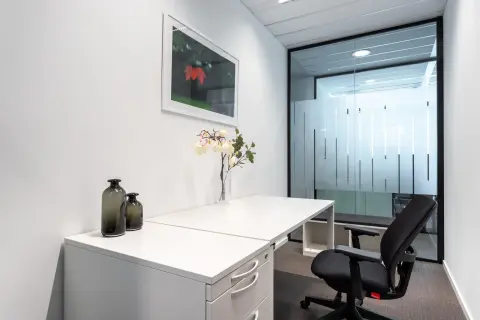
Booking a private office by the day in Gothenburg provides flexible, fully equipped workspaces for independent professionals and expanding teams without long lease obligations.
Selecting the right commercial district directly shapes daily productivity and travel convenience. In established commercial districts like Gårda and central corridors around Östra Hamngatan, serviced buildings place teams within walking distance of central amenities, restaurants, and corporate partners. Choosing an office in Marieholm allows teams to access functional space at entry pricing starting from 643 SEK excl. tax per day.
Deciding between central business hubs and peripheral commercial zones depends on client interaction and parking needs. Central locations facilitate direct foot access from transit lines, making them ideal for client consultations and interviews. For operations extending outside the urban perimeter, 5 more offers exist in nearby towns within 20 km to support regional outreach.
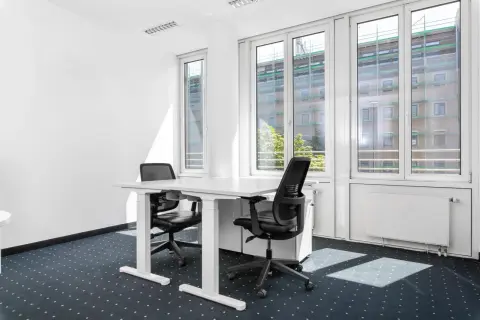
Securing a private office for a single day provides cost predictability compared to traditional commercial leases. Rates across the city range from 643 SEK to 27233 SEK excl. tax, with a city median of 2858 SEK excl. tax per day. The wide price bracket reflects differences between compact single-desk rooms and large operational suites designed for entire project units.
Hourly bookings suit brief client meetings, short interview blocks, or urgent project reviews, starting from 106 SEK excl. tax with a median rate of 470 SEK excl. tax. When team sessions extend past three hours, reserving a full working day becomes more economical and removes schedule pressure. All 66 offers confirm immediately at booking with online payment and instant invoice issuance.
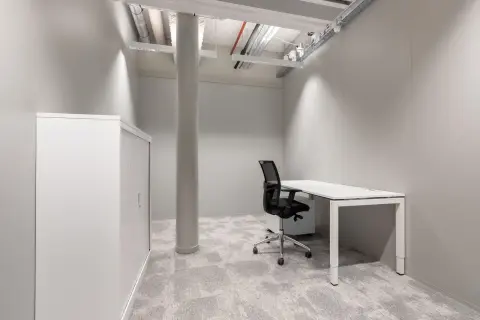
Established workspace operators manage the private day offices across the city, providing uniform business standards and professional support. HQ maintains practical setups across 4 venues, serving professionals who prioritize functional efficiency. Spaces emphasizes dynamic working environments, including the largest workspace for 36 people at Spaces Brygghuset. Regus accommodates corporate clients who require recognized addresses and executive meeting environments.
All 8 venues in the city provide high-speed wifi, printers, natural light, air conditioning, and 24/7 access for maximum schedule autonomy. These standard amenities ensure your team can start working immediately upon arrival without configuration delays. To ensure the space aligns with your project requirements, review the practical checklist below:
Transit connections determine how smoothly colleagues and visiting clients reach your workspace on the day of the booking. In the north-eastern transit corridor, 2 venues sit within 600 m of Gamlestaden station, enabling simple transfers via commuter rail, regional trains, and local tram lines. Having direct access to public transit eliminates travel friction for attendees arriving from different parts of the region.
Before confirming your reservation, review the cancellation terms displayed prior to payment to maintain flexibility if your schedule changes. Professional day offices across Gothenburg combine convenience, enterprise equipment, and clear pricing, giving your business an adaptable workspace whenever needed.
66 private offices are bookable by the day in Gothenburg: from kr 643 to kr 27,233 per day excl. tax, kr 2,858 for the median office.
By the hour, from kr 106. For a half-day, from kr 423.
Prices follow real-estate logic: central districts cost more than the outskirts, and the gap varies from one venue to the next.
62 day offices for 2 people are listed in Gothenburg.
The cheapest is Private office 2 people at HQ Gothenburg, Marieholm: kr 643 per day excl. tax.
By the hour it starts at kr 106.
49 day offices for 4 people are listed in Gothenburg.
The cheapest is Private office 4 people at HQ Gothenburg, Almedal: kr 980 per day excl. tax.
By the hour it starts at kr 161.
35 day offices for 6 people are listed in Gothenburg.
The cheapest is Private office 6 people at HQ Gothenburg, Almedal: kr 1,470 per day excl. tax.
By the hour it starts at kr 242.
14 day offices for 10 people are listed in Gothenburg.
The cheapest is Private office 12 people at HQ Gothenburg, Almedal: kr 2,939 per day excl. tax.
By the hour it starts at kr 483.
The lowest day rate in Gothenburg is Private office 1 people at HQ Gothenburg, Marieholm, kr 643 excl. tax.
Below kr 2,858 per day, expect a small space: size, not location, drives the lowest prices.
All prices on this page are excl. tax. The invoice adds the country's standard VAT of 25%, itemised for your expense report.
Payment is taken in full at booking, instantly: card, PayPal, Apple Pay, Google Pay or Klarna depending on the country. There is no deposit and nothing to pay on site.
We list 66 spaces in 8 venues in Gothenburg.
Main operators: HQ, Spaces and Regus.
This inventory is read live from the operators' listings: spaces appear as they are published and disappear as they are withdrawn.
Private office 36 people at Spaces Gothenburg, Spaces Brygghuset seats 36 people, the largest office bookable by the day in Gothenburg.
For a bigger team, split across several offices, or book a meeting room for the day.
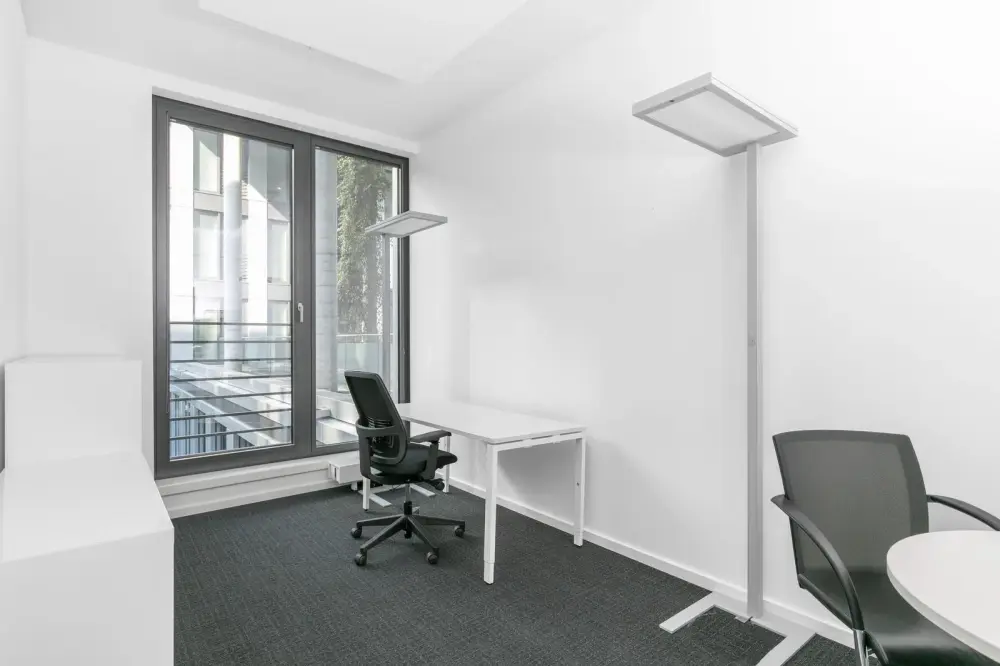
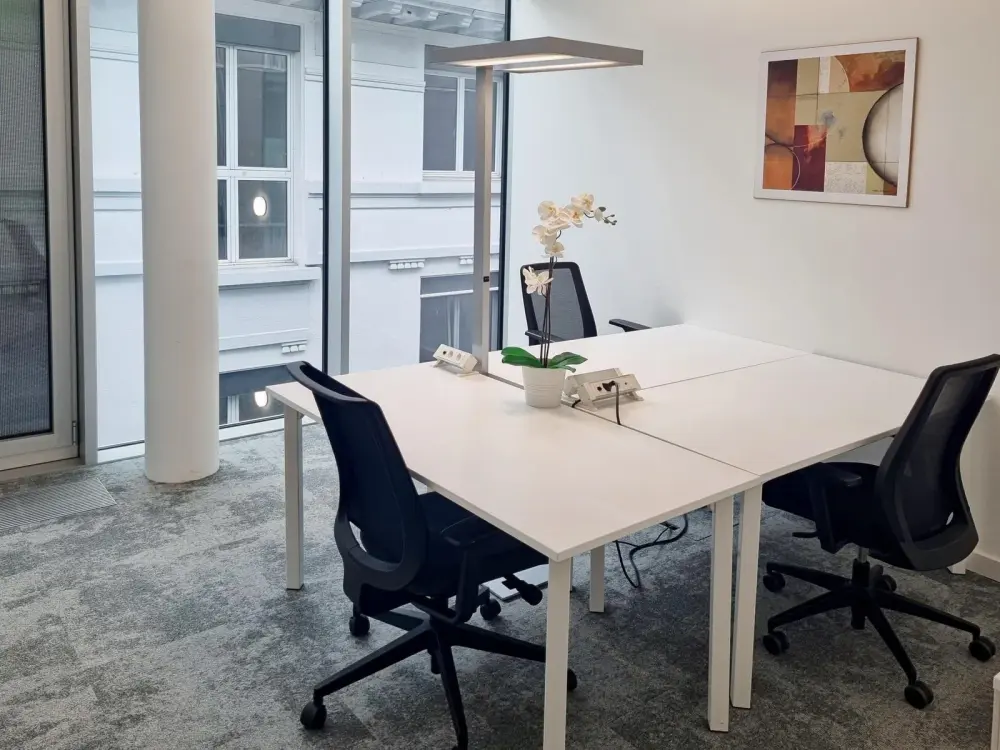
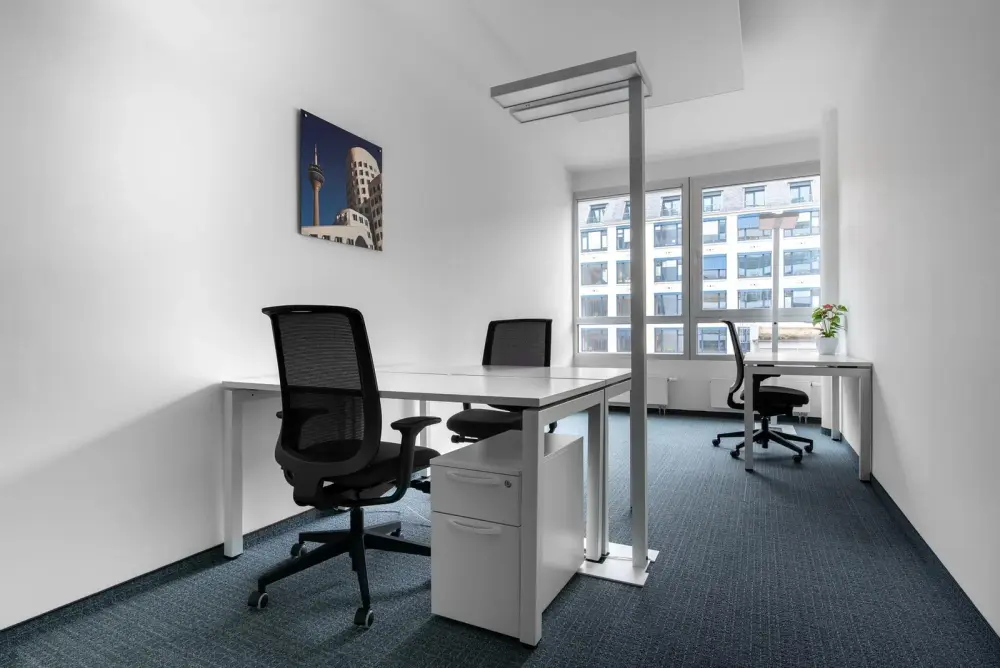
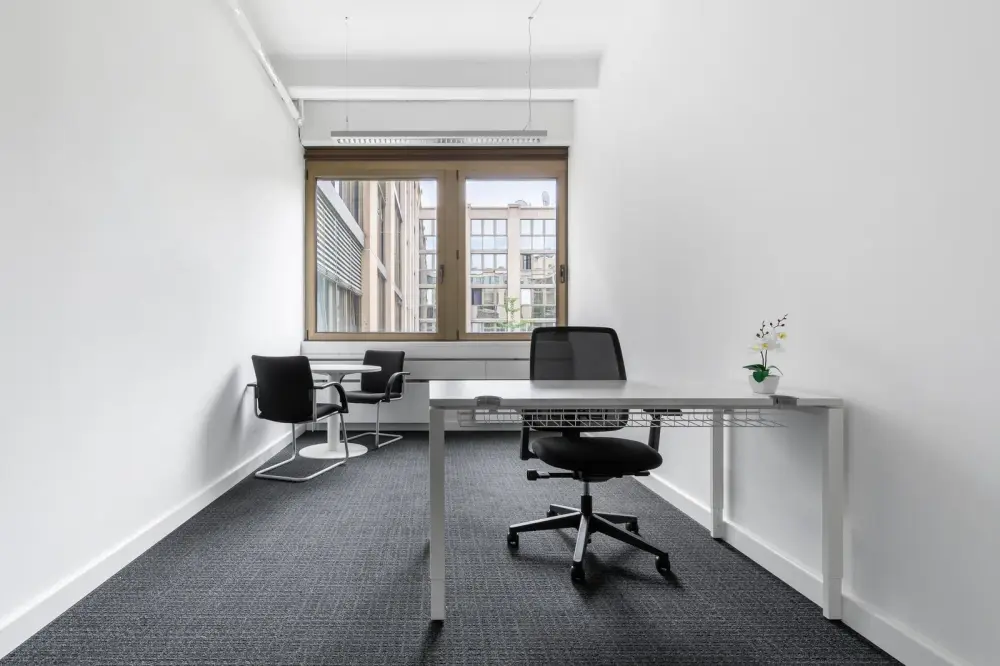
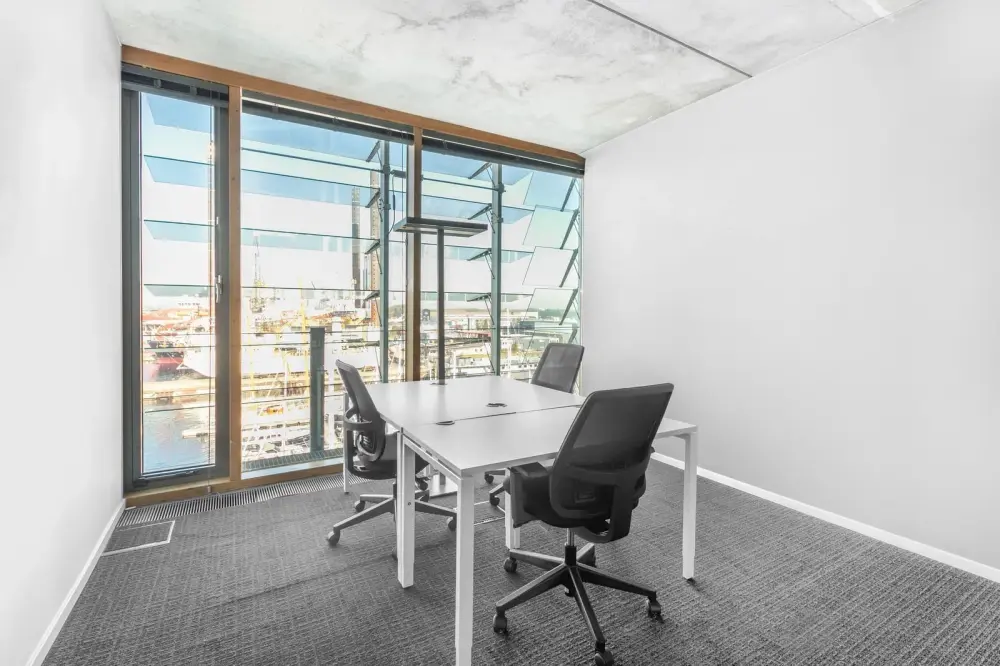
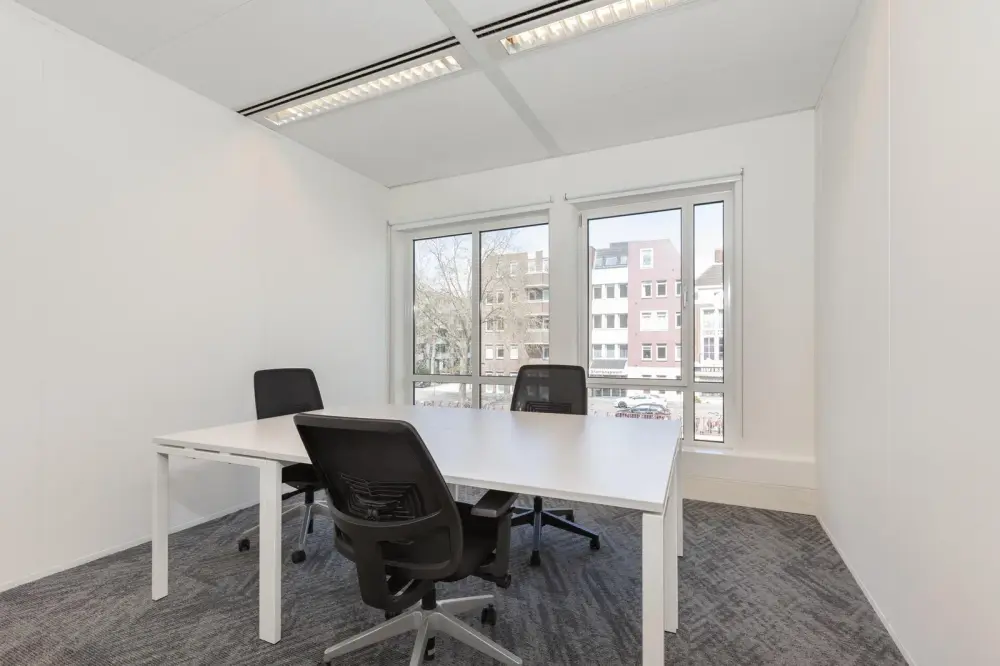
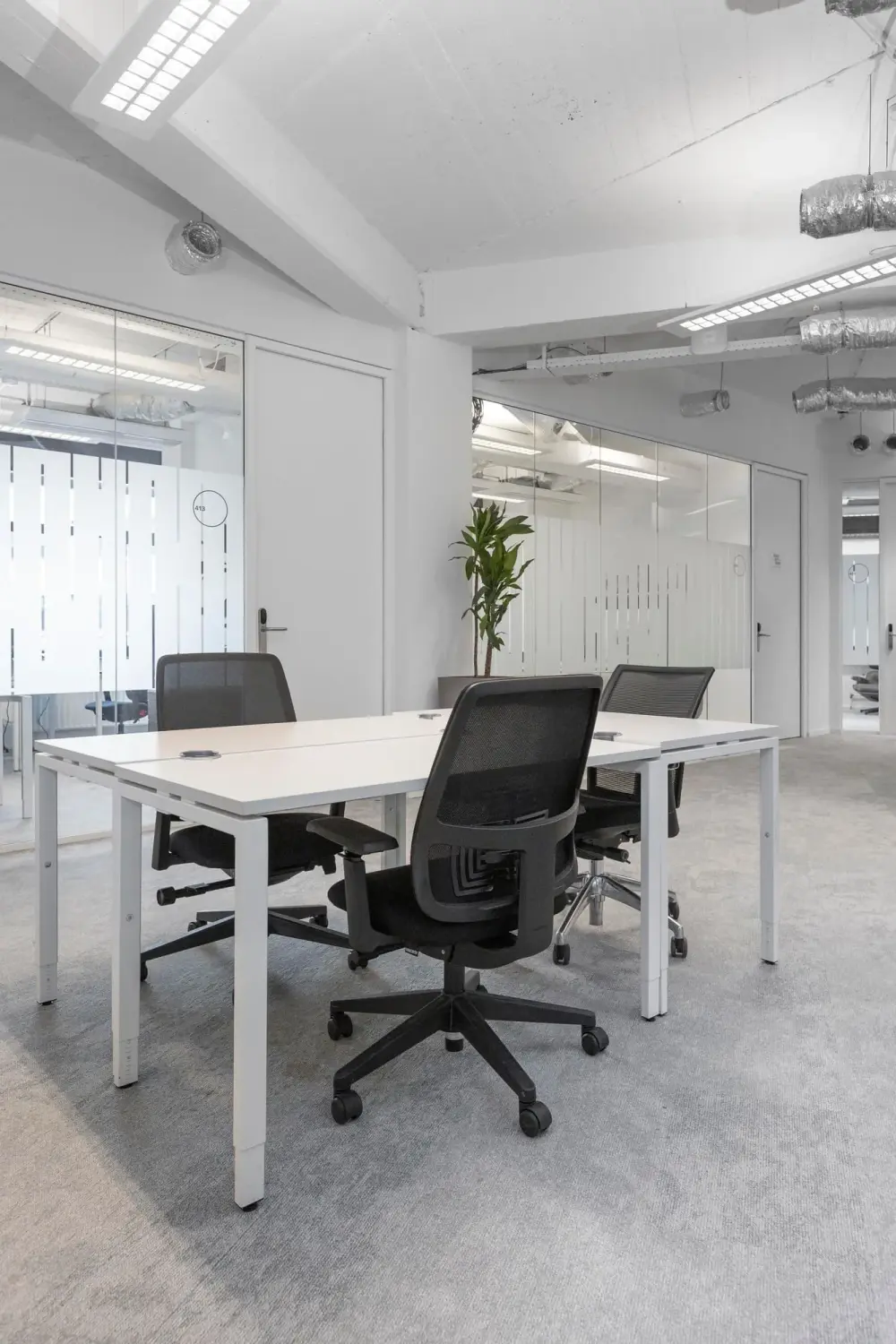
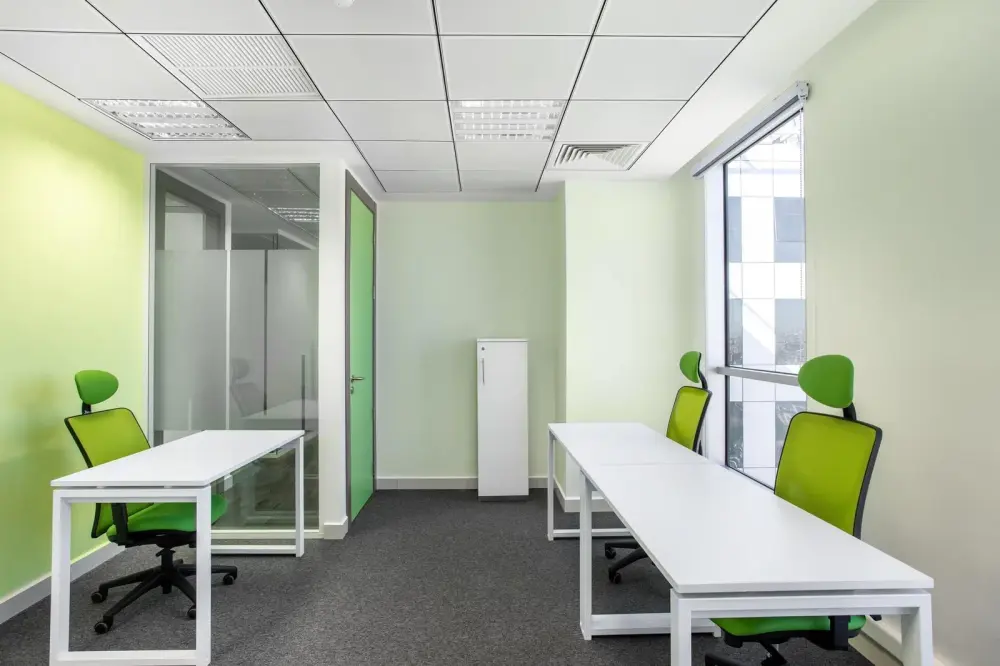
A desk, chairs, Wi-Fi and a door that closes, plus access to the common areas, coffee machines and phone booths where they exist.
In Gothenburg, the venues that publish their equipment list air conditioning (8 venues).
Paid extras vary by operator and are listed on each booking screen.
8 venues declare natural light in Gothenburg. The photos of each space show the window side.
4 venues declare step-free access in Gothenburg.
If access matters, message the venue before booking: the declaration covers the building, not necessarily every room.
HQ (25 spaces), Spaces (21 spaces) and Regus (20 spaces) run part of the spaces we list in Gothenburg.
Pick the space, the date and the time slot, pay online, and the confirmation arrives by email immediately. Spaces that are not confirmed instantly are validated by the operator, usually within the day.
66 spaces in Gothenburg confirm instantly at booking.
Yes, whenever the slot still shows in the search results: there is no fixed cut-off hour. Same-day availability depends on each venue.
Book at least an hour ahead to give the reception time to prepare the space.
One hour at IWG centres (Regus, Spaces, HQ). Other operators set their own minimum, shown before payment; most sell the half-day and the day.
Standard hours are 9:00 to 17:00. Some venues open until 22:00; the calendar only offers the slots each venue actually sells.
8 venues in Gothenburg give 24/7 access to its members, on a separate contract from the day booking.
You must arrive before the official closing time; late access is never guaranteed.
Yes, from your account, without calling anyone. Cancellation terms depend on the country and are shown before payment; when a cancellation is eligible, the refund and the credit note are issued automatically.
The invoice is issued as soon as the booking is confirmed, with VAT itemised, and stays available in your account. Payment is made online at booking.
An account is created with your first booking and works in every city. You can book for a colleague: enter their name as the attendee, the invoice stays in your name.
Give your name at reception: the space is ready and the Wi-Fi code handed over. About 80% of venues have a staffed reception; the others send access instructions with the confirmation.
Yes: breakfast, lunch, sweet breaks and coffee or tea service can be added to the booking. Order at least 48 hours ahead; the venue fulfils it, and you are refunded automatically if it cannot.
In Gothenburg, 8 venues list an on-site cafeteria or kitchen.
Book the setup time: the space is yours only for the slot you paid for, and the next booking may follow. Running over is at the venue's discretion and charged at the hourly rate when possible.
2 venues are less than 600 m from a station in Gothenburg, notably near Gamlestaden station.
2 venues list car parking, usually a paid extra to add at booking.
2 venues list bicycle parking.
Printing is available at the reception of most venues.
In Gothenburg, the venues that publish their equipment list a printer (8 venues).
Printing is charged per copy at the reception.
For confidential calls, a job interview, a day of deep work or a two-person meeting: the door closes, the desk is yours for the day. Coworking is the better deal for a laptop and a coffee among other people.
Yes: the same operators rent private offices on monthly contracts, from one desk to a whole floor.
From about ten days a month, the monthly contract is usually cheaper than repeated day bookings.
For three people or more around a table, a meeting room comes with the screen and the flipchart. For one person and a laptop, coworking is cheaper. The day office sits in between: privacy without the meeting-room price.
Starting prices excl. VAT, per slot. Final rates are calculated in real time during your search.
| Space | Capacity | Half day | Day |
|---|---|---|---|
| Day office — Regus Gothenburg, Central | 1 people | from kr 852 | from kr 1,189 |
| Day office — Regus Gothenburg, Östra Hamngatan | 2 people | from kr 852 | from kr 1,296 |
| Day office — Spaces Gothenburg, Gamlestan | 1 people | from kr 995 | from kr 1,513 |
| Day office — HQ Gothenburg, Marieholm | 1 people | from kr 423 | from kr 643 |
| Day office — HQ Gothenburg, Gårda | 3 people | from kr 912 | from kr 1,388 |
| Day office — Regus Gothenburg, Central | 3 people | from kr 1,277 | from kr 1,784 |
| Day office — Regus Gothenburg, Östra Hamngatan | 3 people | from kr 1,277 | from kr 1,943 |
| Day office — Spaces Gothenburg, Gamlestan | 3 people | from kr 1,492 | from kr 2,270 |
| Day office — Regus Gothenburg, Central | 11 people | from kr 4,682 | from kr 6,539 |
| Day office — Regus Gothenburg, Östra Hamngatan | 10 people | from kr 4,256 | from kr 6,477 |
| Day office — Spaces Gothenburg, Gamlestan | 7 people | from kr 3,480 | from kr 5,296 |
| Day office — HQ Gothenburg, Almedal | 12 people | from kr 1,932 | from kr 2,939 |
Starting prices excl. VAT. Exact rates are shown in real time during your search based on date and slot.