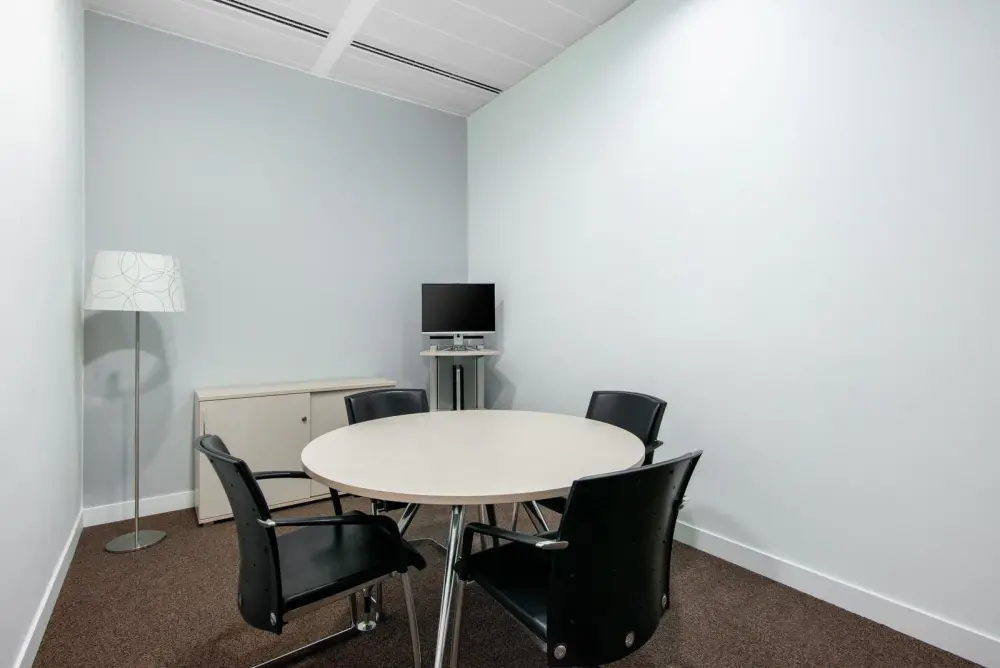
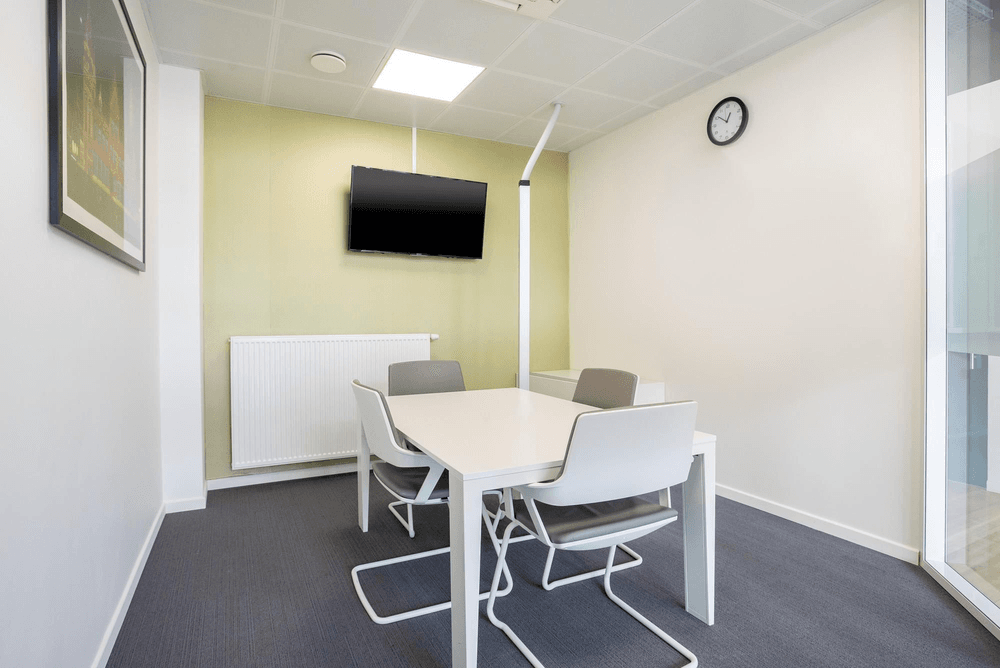
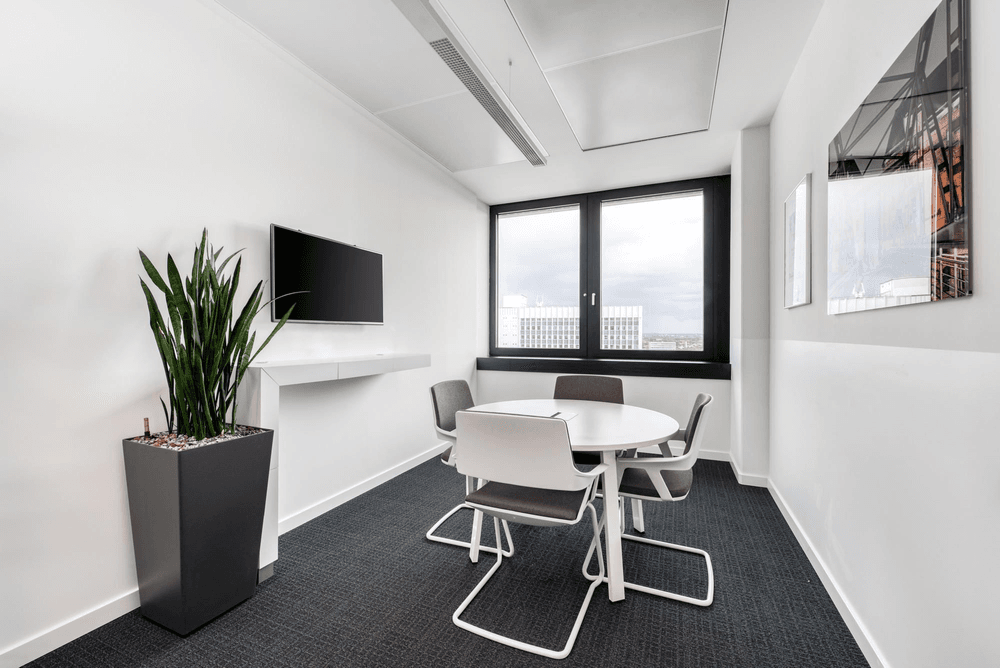
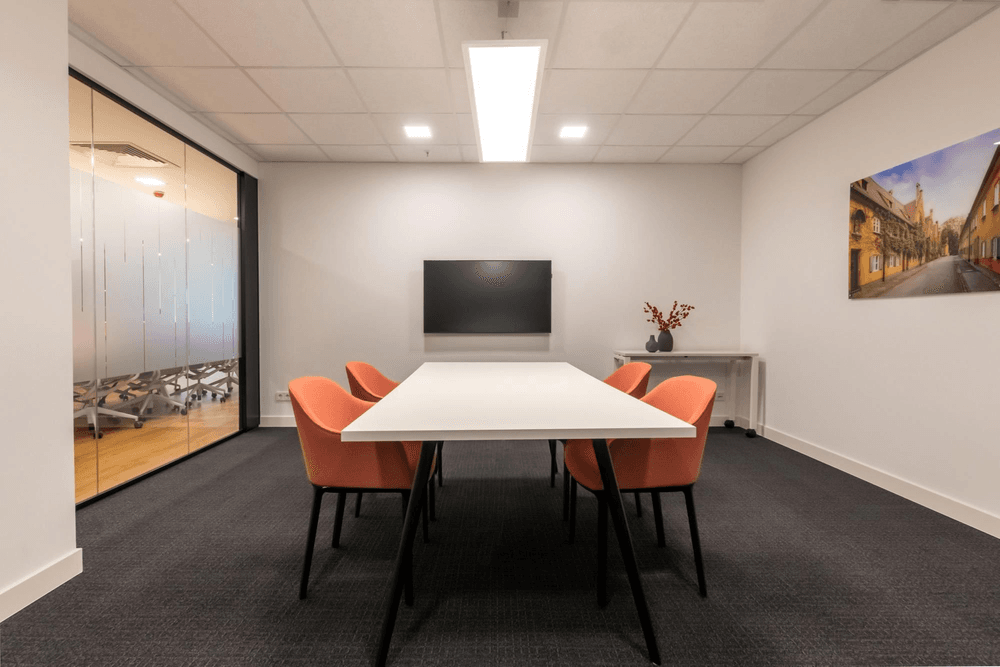
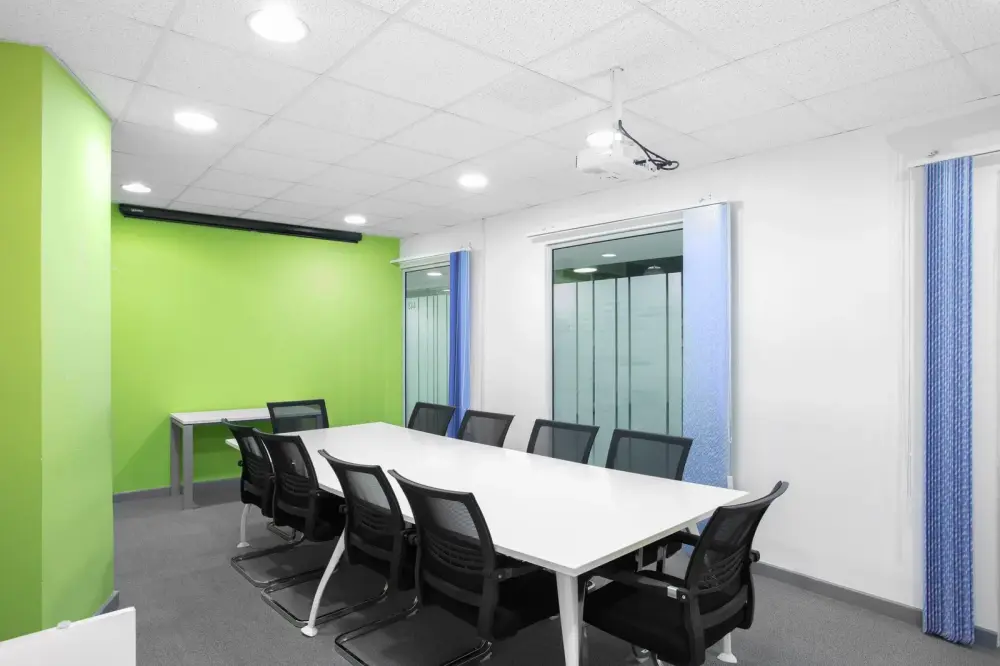
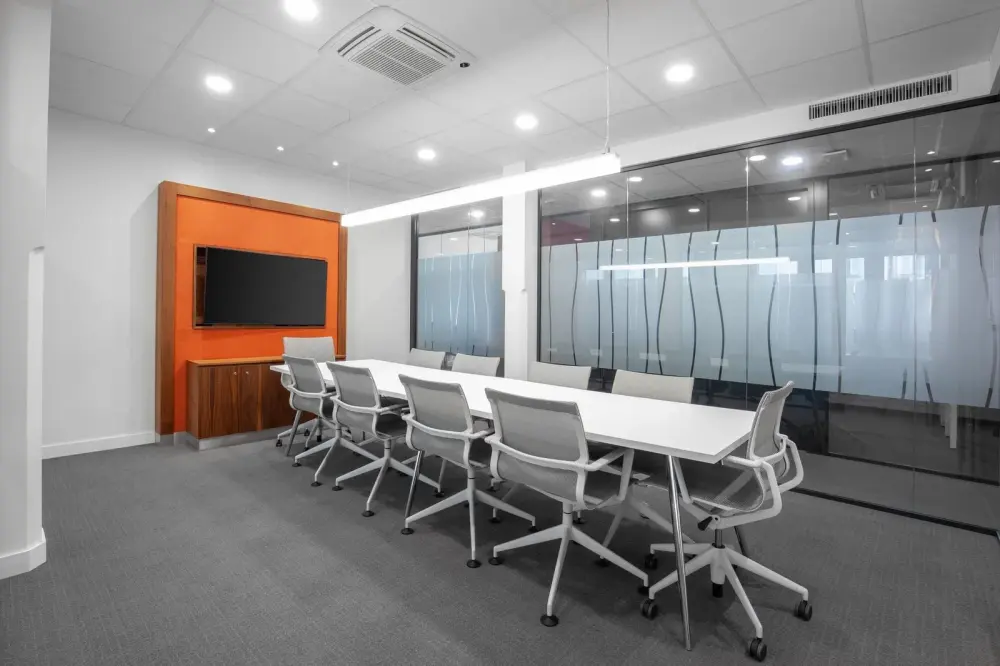
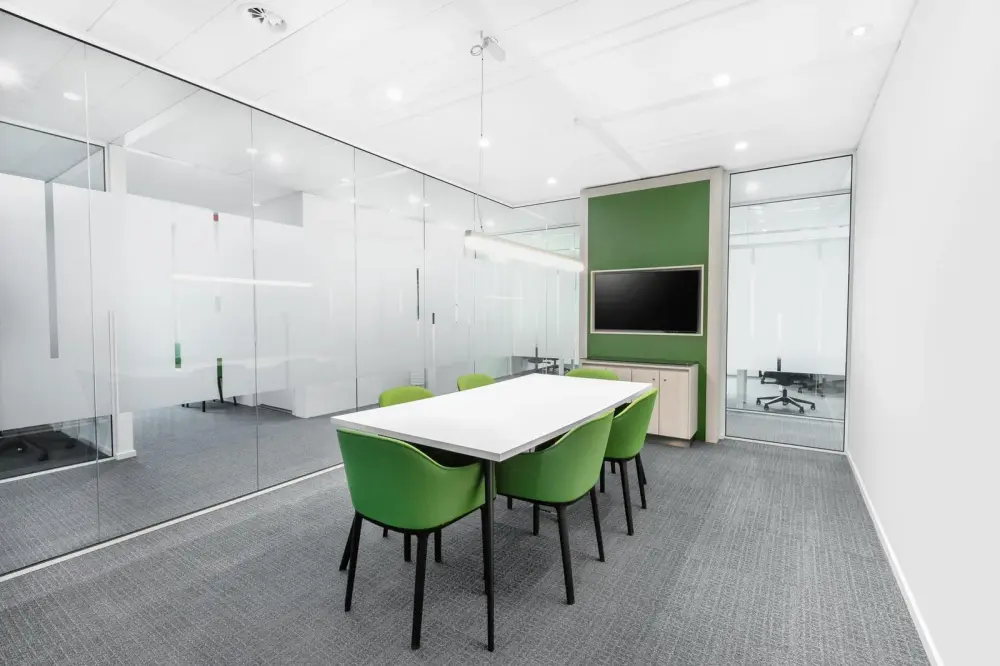
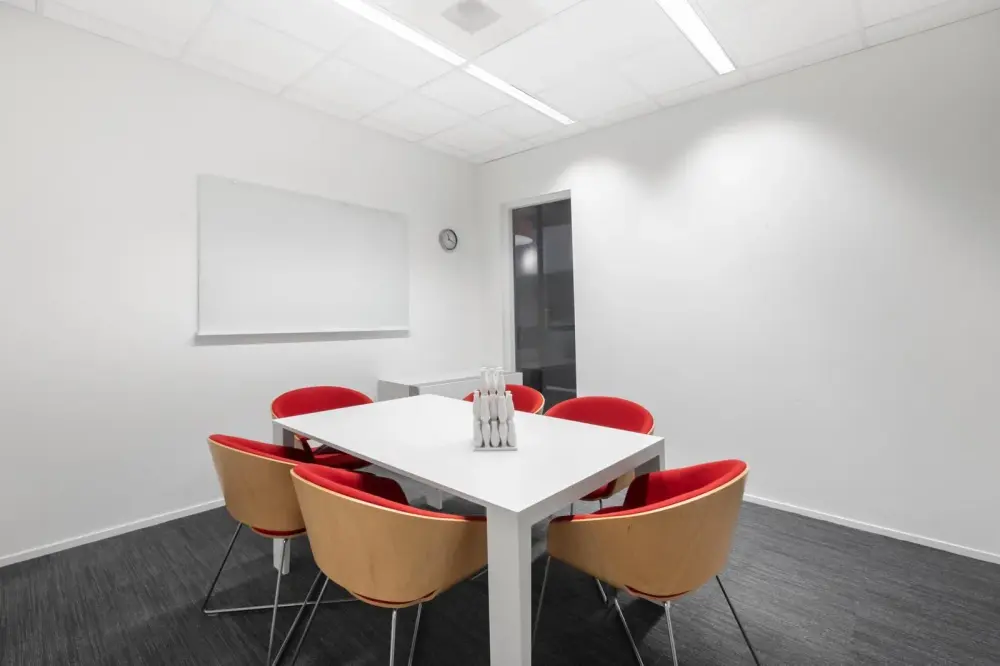
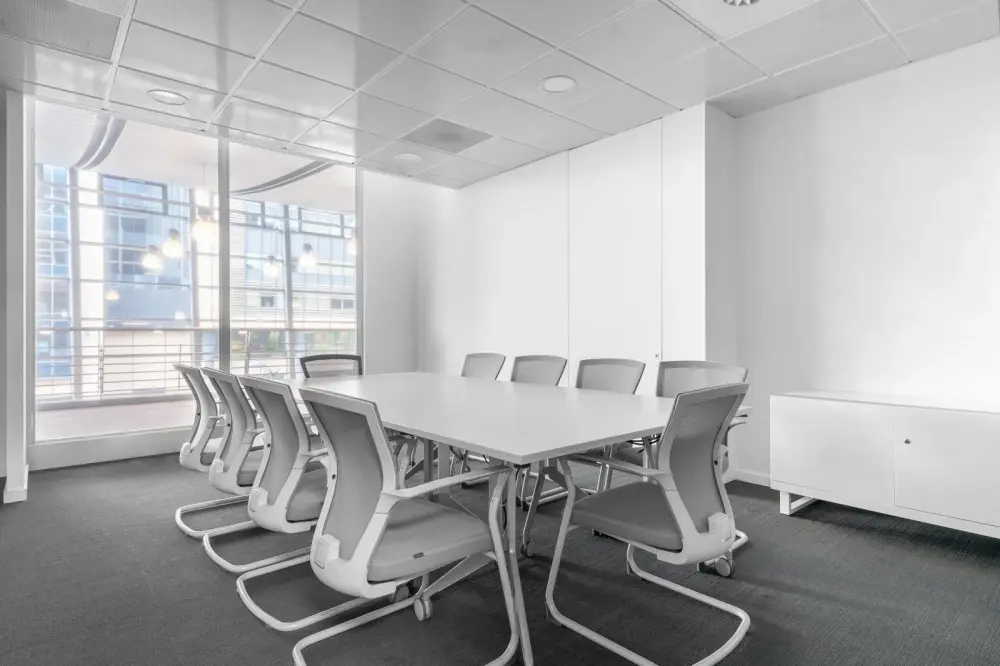
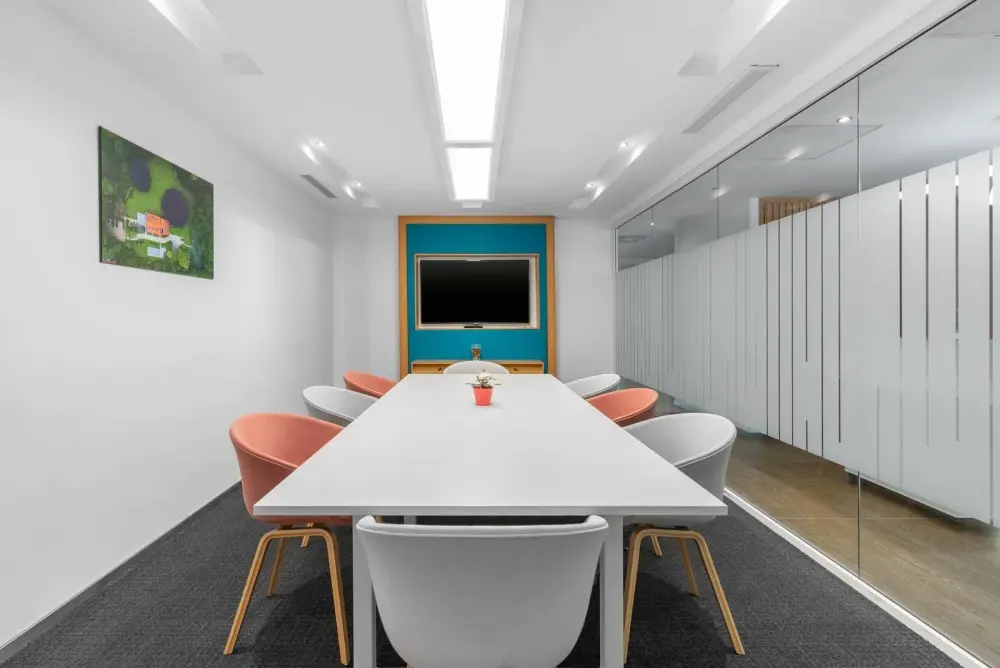
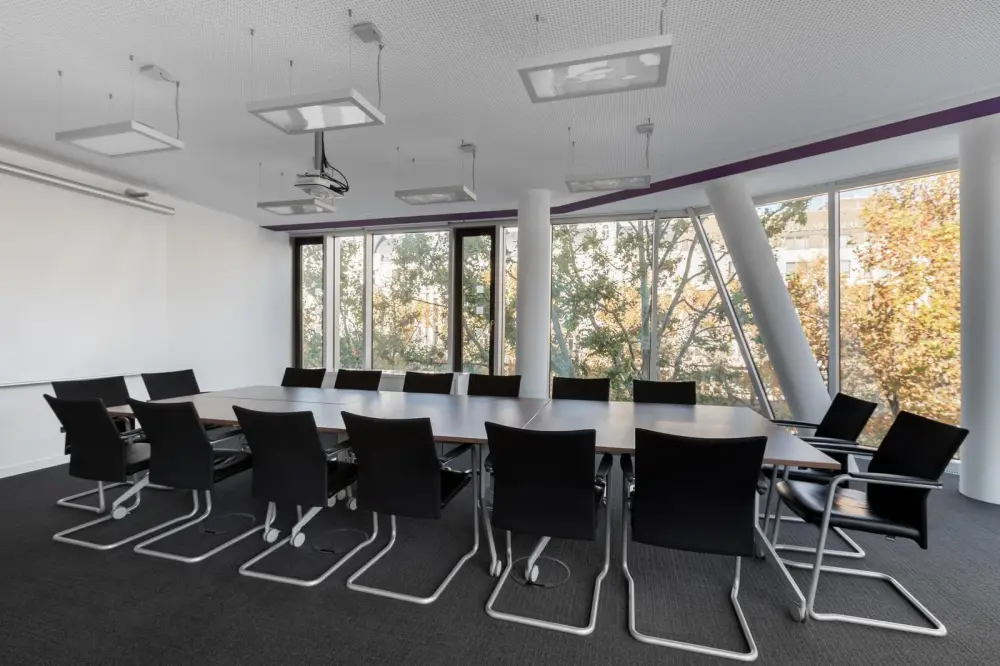
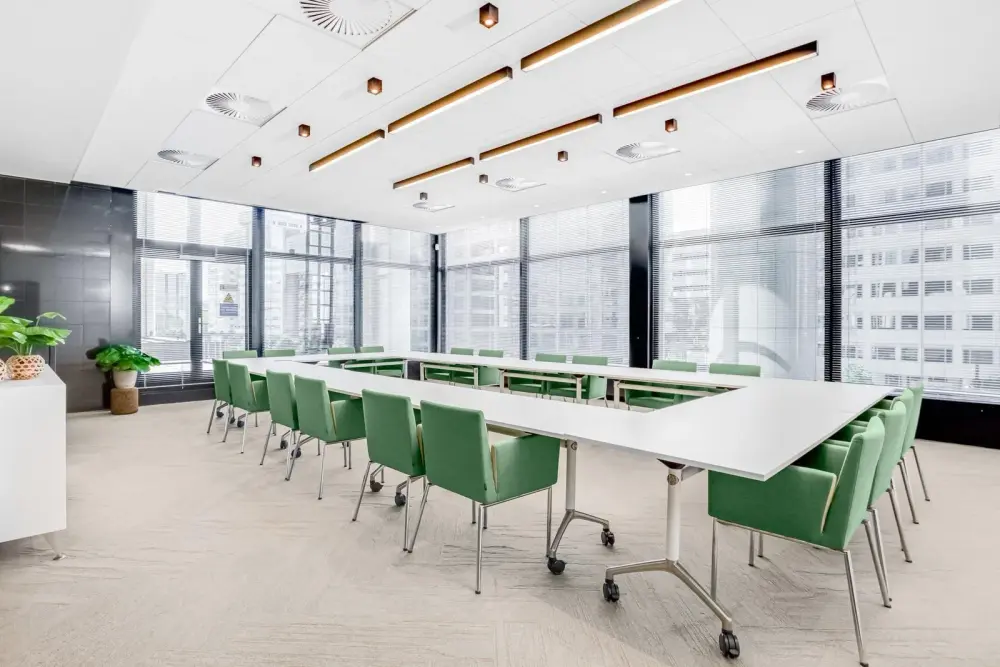
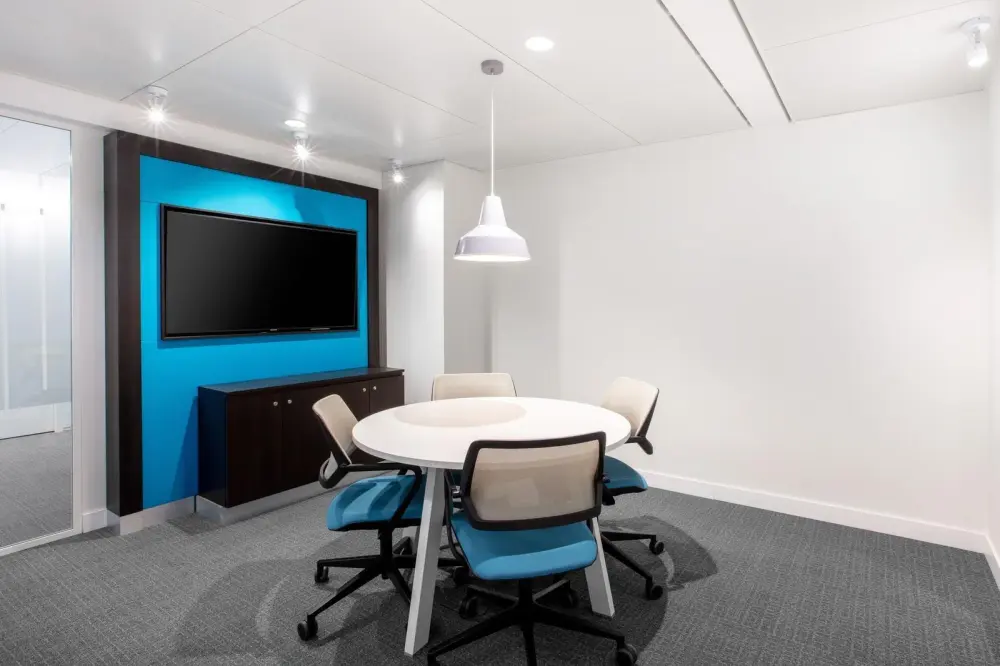
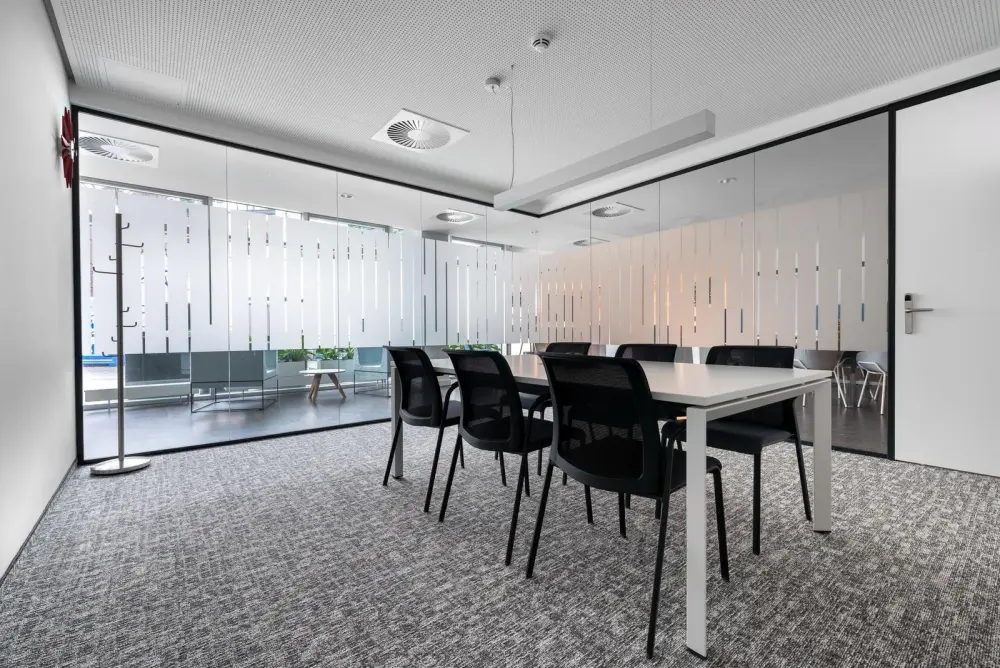
Arne G.Coworking8.8 / 10
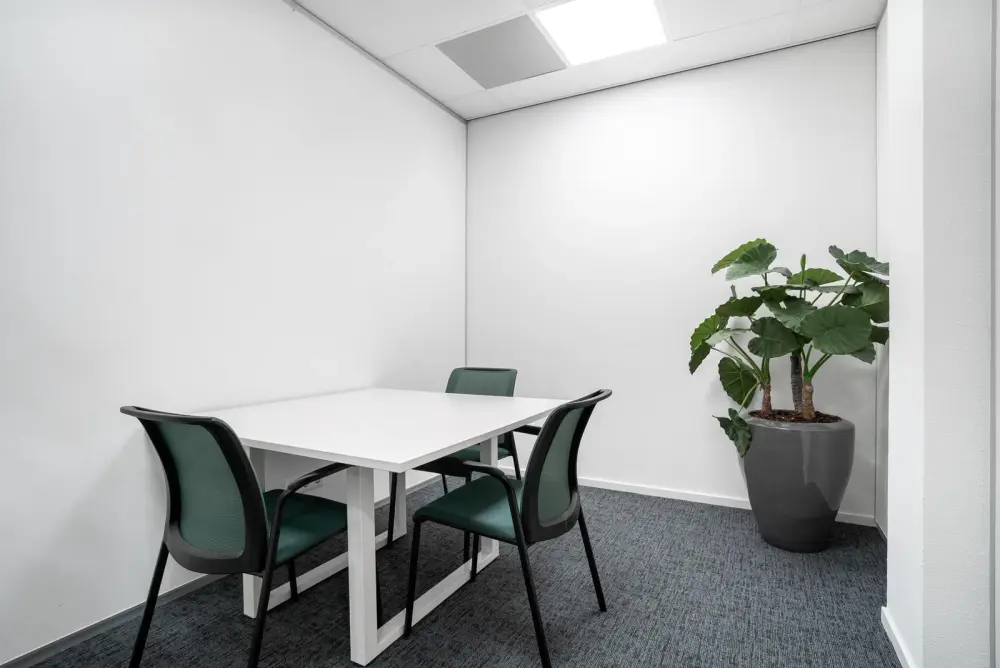
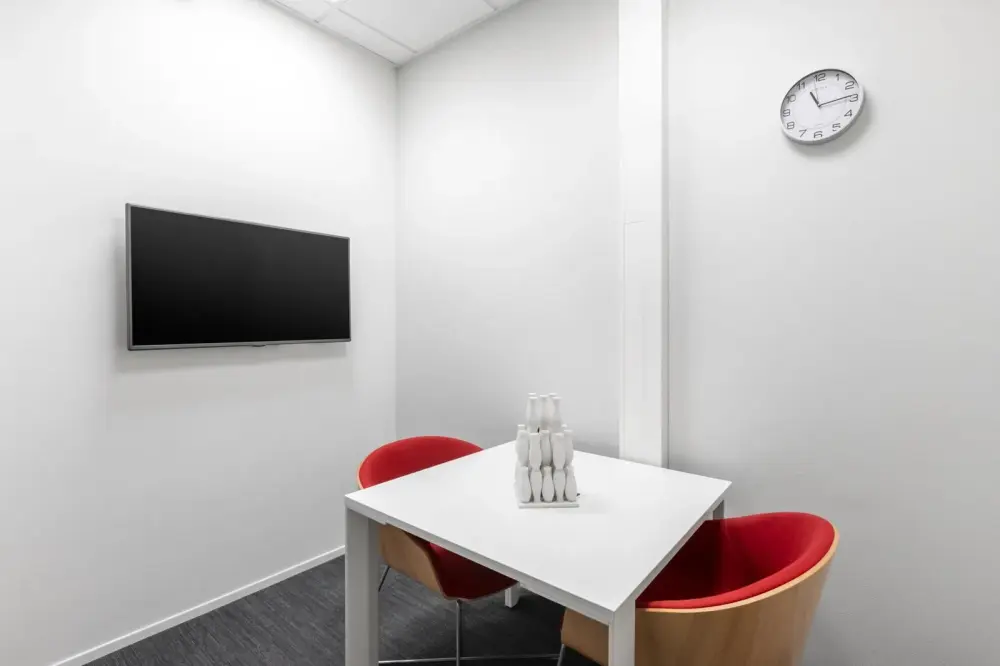
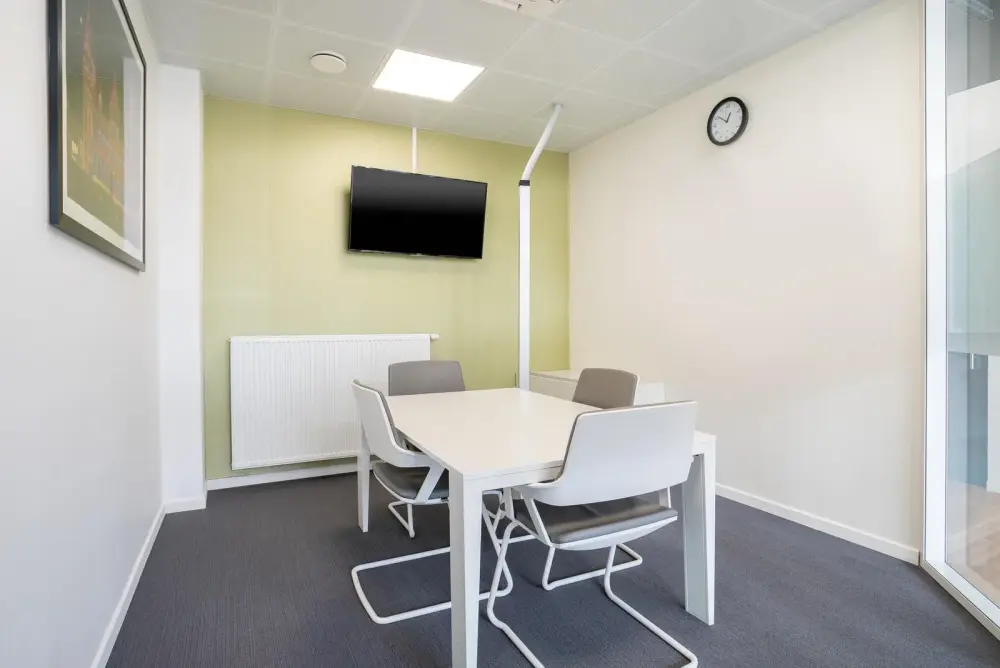
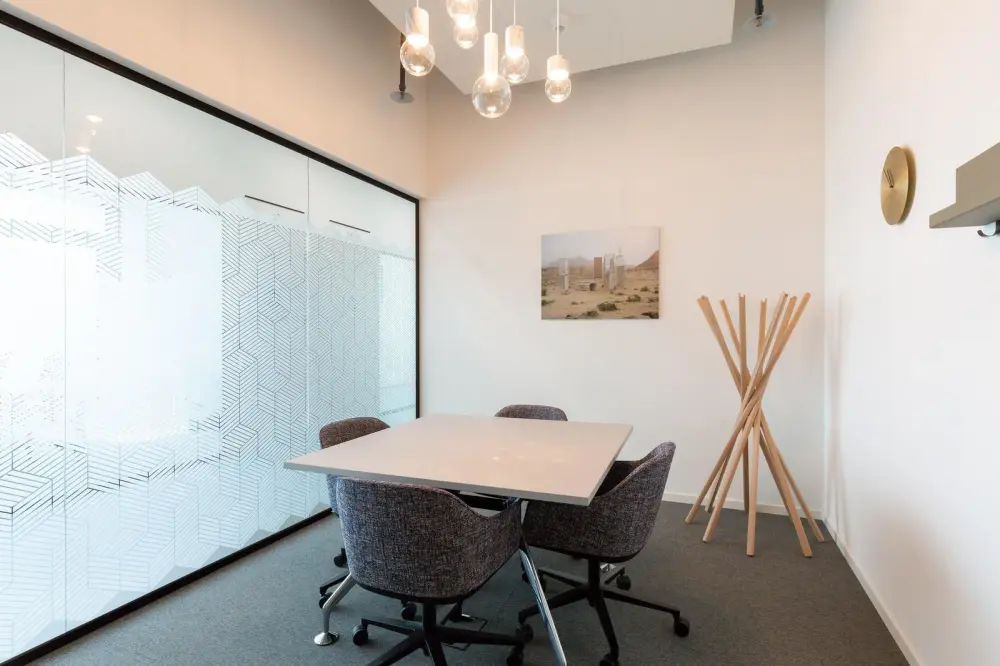
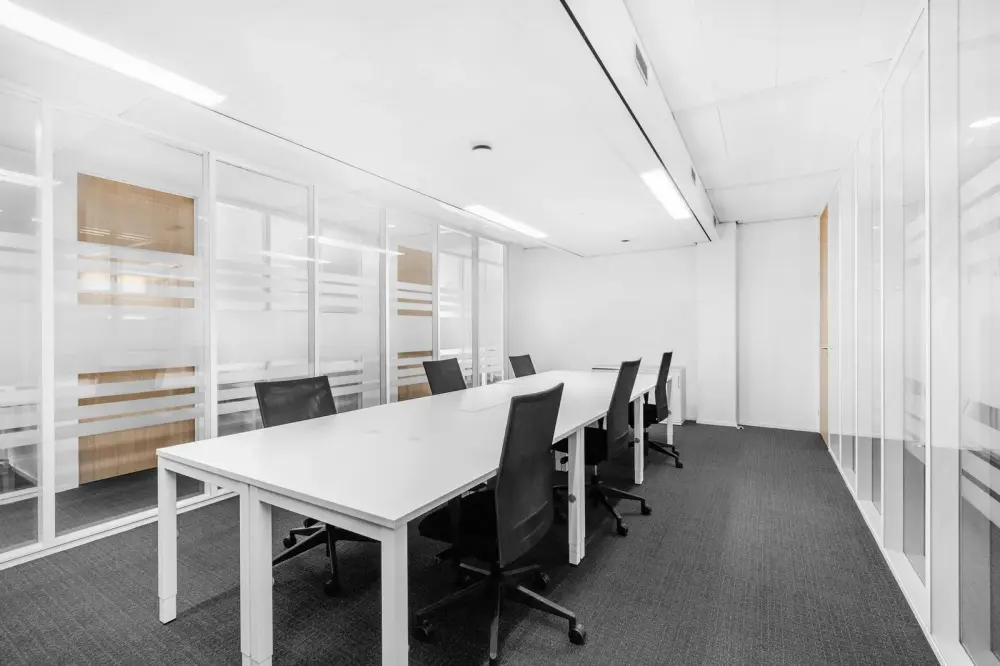
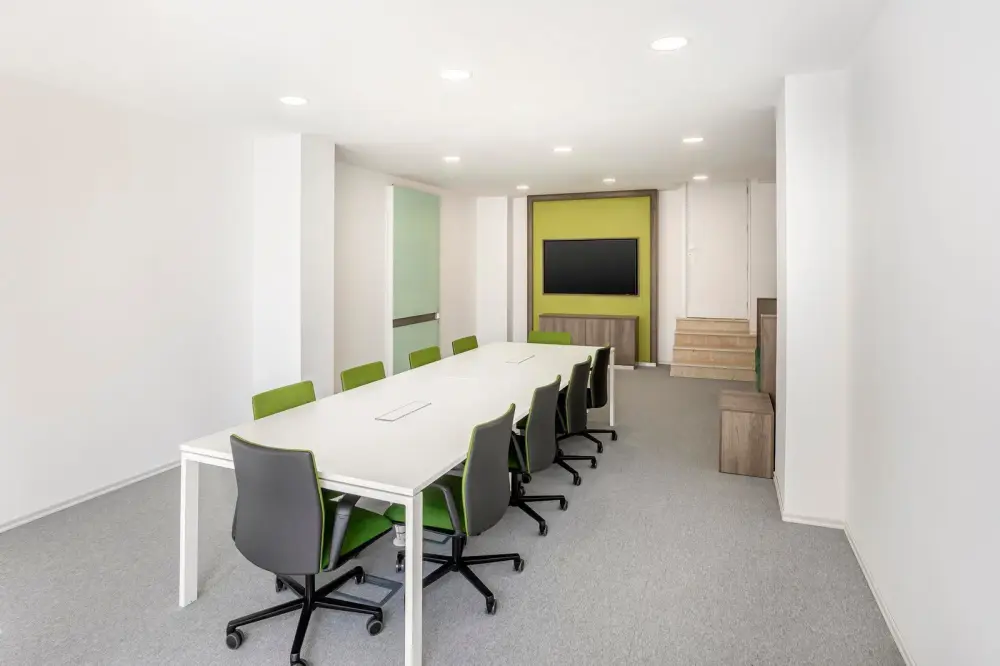
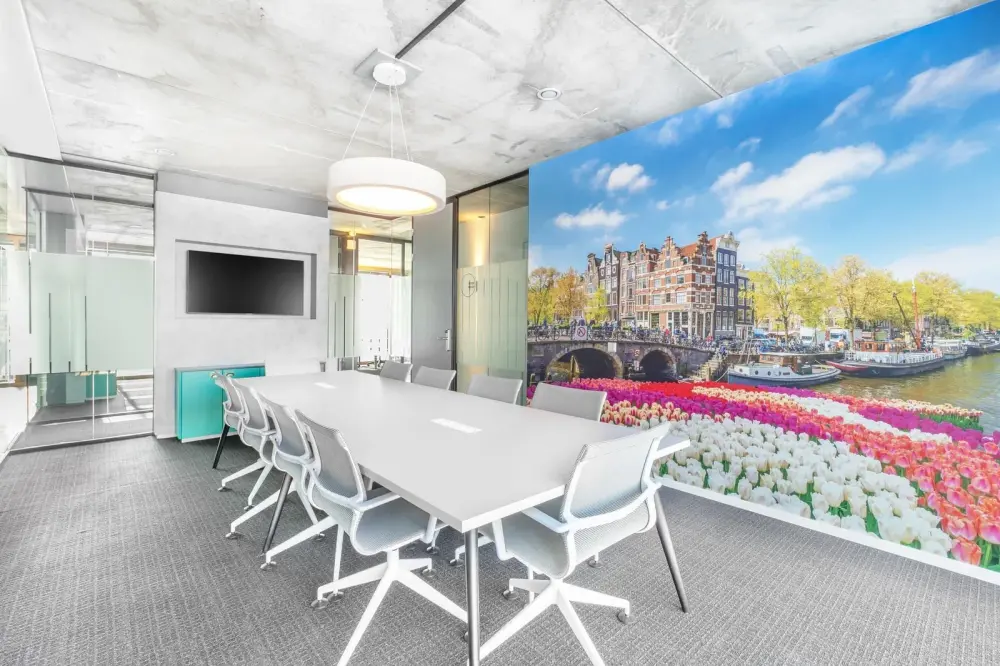
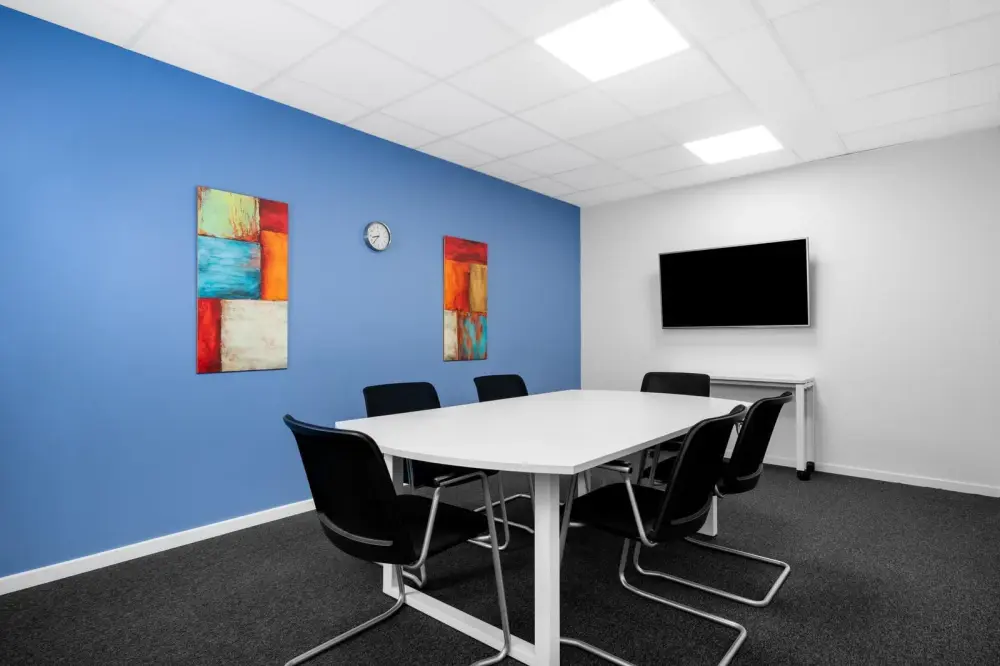
Pleasant, quiet setting, ideal to stay focused.
126 meeting rooms bookable online in Oslo, from NOK 1,250 per day excl. tax: pick a date and a size, pay online, confirmed in 2 minutes.
From global Fortune 500 leaders to fast-growing tech unicorns, businesses choose workin.space to book meeting rooms, private offices and coworking spaces around the world.














































Oslo has 126 meeting rooms available to book from NOK 1,250/day (excl. VAT) across 16 partner centers, rated 8.8/10 by 1 customers.
Ratings left after the stay by customers who booked on workin.space.
1 verified reviewVerified booking
Across the whole of workin.space: 9.2 / 10 · 242 verified customer reviews since May 2026See all reviewsPleasant, quiet setting, ideal to stay focused.
Reviews left in Oslo, as of 27 October 2026. A review can only be left after a paid booking.
Independent consultants and recruiters conducting one-on-one client interviews or confidential appraisals need quiet, professional environments without paying for unused space. A compact boardroom provides reliable screen-sharing and privacy away from open office noise. In Oslo, entry-level spaces in this format start from 1389 NOK excl. tax per day, making them a cost-effective alternative to hotel lobbies when hosting high-stakes individual discussions.
Product teams and project managers gathering for sprint reviews or client pitches require functional layouts with digital displays and whiteboards. With 63 dedicated rooms across the city, this mid-size category represents the most flexible choice for collaborative work sessions. Booking a central room ensures equal accessibility for dispersed team members meeting for collaborative work sessions during intensive multi-hour working blocks.
Department heads and corporate trainers running full-day workshops or board meetings require rooms configured for presentations and group dialogue. Day rates for these larger collaborative spaces start from 4752 NOK excl. tax, offering dedicated presentation technology and room configurations suited to larger cohorts. Choosing this footprint gives participants adequate room to interact comfortably throughout comprehensive training days.
Company leaders and event coordinators organizing town halls, seminars, or investor updates need spacious presentation suites with professional reception support. For gatherings of this scale, the average day rate is 16172 NOK excl. tax, securing high-capacity venues capable of handling keynote presentations or large team assemblies. These facilities offer the necessary infrastructure to manage extensive attendee lists smoothly.
Day rate excl. tax, lowest first, all sizes together.
Securing a meeting room in Oslo is straightforward, with 126 workspaces ready to reserve instantly across key business districts.
Meeting space in Oslo is concentrated around primary commercial nodes, offering high standard fittings across corporate centers. The median day rate across all room sizes settles at 4314 NOK excl. tax, which typically secures a fully equipped boardroom setting complete with presentation screens and secure high-speed internet.
When organizing your schedule, consider how long your session will run. For meetings extending beyond four hours, reserving a full day is generally more economical than paying consecutive hourly fees. On listings providing both hourly and daily options, booking a full day delivers a median saving of 18% compared to eight individual hours.
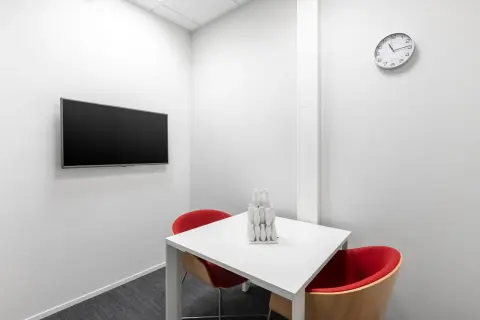
The local corporate inventory is primarily operated by established national networks, with Spaces providing 91 rooms and Regus managing 35 rooms. These business hubs are positioned directly alongside central public transit corridors, streamlining arrival for external attendees and commuting teams.
Public transport accessibility is a distinct strength of the local market:
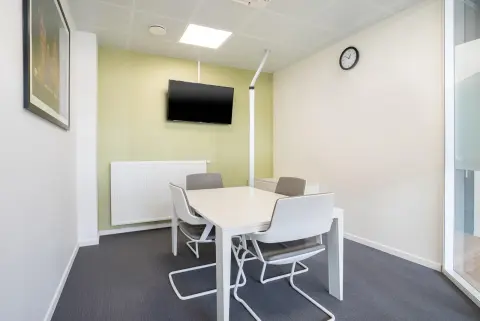
Meeting requirements dictate whether an hourly room or a daily hire makes financial sense. Hourly rates start from 211 NOK excl. tax, with a median price of 655 NOK excl. tax per hour, which suits short project syncs, performance reviews, or client check-ins.
For full-day programs, prices span from 1389 NOK excl. tax for compact facilities to 41601 NOK excl. tax for expansive presentation suites. Group size directly influences the price range you will encounter across the city:
All 16 serviced venues in the city provide climate control, natural daylight, and guest drinks as standard. Facilities also include business-grade printers, high-speed Wi-Fi, and 24/7 access protocols for extended work sessions.
When completing your booking online, keep these practical rules in mind:
If your team requires alternatives outside the municipal boundary, an additional 21 offers are situated within 20 km of the capital.
Nestled between fjords and forests, Oslo offers more than just overpriced coffee and hesitant sunlight. For companies seeking the perfect balance between culture and commerce, meeting rooms in Oslo have become as essential as wool socks during a Nordic January. Whether orchestrating an executive strategy day or a modest team huddle for two, securing that ideal space is less about luck and more about understanding which neighborhood best matches corporate ambitions.
With modern amenities springing up amidst historic streets, Oslo’s event venues can turn awkward workshops into productive marathons. Let us stroll through the city’s emblematic quarters and uncover why Oslo stands out whenever business minds gather in Norway. And yes, there is indeed a way to reserve all this splendor online in just a few clicks—no ancient runes required at checkout.
Fresh air, brisk walks, and reliable wifi—Oslo manages to blend Scandinavian serenity with practical excellence. Multinationals, startups, and local visionaries now prize it as a central location for company get-togethers. Unlike capitals where traffic jams drown out meaningful conversation, Oslo’s compact size saves precious time without sacrificing that crucial wow factor.
Conference hotels and flexible spaces abound, making it possible to match any group size with a stylish setting. Even hiring managers conducting interviews for just two participants can find a cozy nook, while ambitious directors plotting their next acquisition might prefer something with greater capacity and complete privacy.
Choosing among Oslo’s neighborhoods is like picking toppings at a gourmet pizza bar—each adds its own unique character. Central Oslo sets the tone, but the creative pulse found elsewhere in the city deserves attention too.
When the term ‘central location’ is uttered, what is really meant is Sentrum. As the undisputed heavyweight for conference rooms and meeting spaces, Sentrum positions everyone close to transport hubs, government buildings, and those indispensable espresso bars.
For events up to 50 people, spacious venues here offer versatile layouts. Glass-walled boardrooms, creative workshop corners, and technical equipment worthy of Silicon Valley—the only true challenge is choosing among countless tempting options. Need a last-minute meeting room? Sentrum likely still has availability by the afternoon. Professionals searching specifically for high-quality options should consider Meeting Rooms Lysaker, known for their excellent facilities and strategic location.
Once the territory of hipsters and oat milk aficionados, Grünerløkka now draws innovative teams craving meeting spaces that feel anything but sterile. Expect ample daylight and décor ready for social media glory.
Bjørvika, meanwhile, dazzles with glass towers and waterfront views. Companies hosting workshops or product launches favor its sleek conference hotels. Both areas cater to boutique brainstorming sessions and informal team-building, all with access to riverside strolls for those vital oxygenation breaks.
Size matters—but so does atmosphere. The right venue transforms routine agenda points into milestones worth celebrating in team chats. Oslo’s variety of event venues covers every business need.
Sometimes, all that is needed is a table, two chairs, and a door that closes. Many venues in Oslo specialize in intimate settings equipped with essentials—from whiteboards to premium coffee machines.
In Grünerløkka and Majorstuen, companies will discover numerous options that value confidentiality and comfort. Modern amenities are standard, including video-call capabilities and quiet nooks for reflection after challenging interviews.
Groups of ten to thirty require more creative thinking—and some elbow room. Whether planning innovation workshops or trust-building exercises (insurance recommended), versatile spaces shine brightest.
Central Oslo and Tjuvholmen provide modular rooms where furniture moves faster than PowerPoint slides. Some venues add interactive walls or movable stages, ensuring even day-long sessions never feel like academic detention.
Directors and keynote speakers demand gravitas—and perhaps pastries on silver trays. Event venues in Bjørvika and Sentrum stand ready with imposing boardrooms and breakout lounges.
Capacities reach up to fifty participants, often paired with state-of-the-art projection resources and seamless sound systems. Hosting a client pitch or annual review becomes far less daunting when panoramic views stretch across Oslo’s skyline.
A well-chosen location means little if the HDMI cable refuses to cooperate or the video call freezes mid-sentence. Oslo’s meeting rooms tackle such nightmares with a blend of technology and hospitality—Nordic problem-solving at its finest.
From high-speed fiber connections to multi-plug tables, most conference rooms treat digital collaboration as sacred. Lighting shifts from moody to migraine-preventing at the touch of a button. Whiteboards, touchscreen monitors, climate control, and ergonomic seating also come standard—even flipcharts avoid permanent exile.
Even those notorious “Can anyone see my screen?” moments become a rarity in these professionally outfitted spaces.
Whether strategizing with three introverts or energizing fifty extroverts, Oslo accommodates fluctuating attendance. Most venues feature movable walls and configurable seats, guaranteeing flexibility for everything from confidential consultations to festive staff celebrations.
Event planners enjoy clear details about each location’s capacity, room formats, and available catering. That spontaneous innovation lab imagined yesterday? Oslo’s arsenal of versatile spaces ensures it looks polished today.
| Venue type | Typical capacity | Neighborhood |
|---|---|---|
| Interview room | 2-5 | Grünerløkka, Majorstuen |
| Workshop studio | 10-30 | Central Oslo, Tjuvholmen |
| Boardroom/conference suite | 20-50 | Bjørvika, Sentrum |
Such range eliminates excuses for dull meetings, even during winter’s fifth month of darkness.
Not long ago, booking a meeting space meant endless emails, ambiguous quotes, and misplaced invoices. Now, reservations in Oslo take minutes—not hours—and fingers do most of the work.
Thanks to platforms like workin.space, businesses can select dates, compare event venues, visualize real-time availability, and confirm the reservation instantly. Payment wraps up online in just a few clicks—with no surprises when tax season comes around. Any emergencies, like a surprise guest list expansion, can usually be handled simply by logging back in and updating the booking details.
Reserving the perfect conference hotel or private interview nook in Oslo should never feel like assembling IKEA furniture while blindfolded. Online booking solutions bring Norwegian efficiency directly to corporate calendars. Browsers present instant overviews of capacity, built-in technical equipment, and extra perks—from on-site barista buffers to stress-relieving ergonomic chairs.
Room selection filters allow narrowing options by district—whether the harmonious buzz of Sentrum or the artistic energy of Grünerløkka inspires most. Fast online payment straightens out budgeting headaches before the first spreadsheet appears. With workin.space, finding and paying for a meeting room in Oslo genuinely becomes child’s play for professionals tired of administrative chaos.
Norway’s capital proves daily that scenery, practicality, and workplace productivity are not mutually exclusive. Whether organizing serious decision-making sessions or spontaneous team brainstorming madness, Oslo serves up a generous platter of meeting rooms. Flawless tech, atmospheric neighborhoods, adaptable design, and playful booking methods—this city guarantees no one leaves a meeting feeling shortchanged, unless boredom was packed in advance.
The next time a strategic vision demands fresh perspectives, few places offer such effortless inspiration and logistical brilliance as meeting spaces in Oslo’s iconic districts. Consider that puzzle solved the moment another digital confirmation lands softly in the inbox.
Within 20 km of Oslo.
126 meeting rooms are bookable in Oslo: from kr 1,250 to kr 37,441 per day excl. tax, kr 3,883 for the median room.
By the hour, from kr 190. For a half-day, from kr 605.
Prices follow real-estate logic: central districts cost more than the outskirts, and the gap varies from one venue to the next.
119 meeting rooms for 4 people are listed in Oslo.
The cheapest is Meeting room Birkelunden at Spaces Oslo, Spaces Grünerløkka: kr 1,909 per day excl. tax.
By the hour it starts at kr 290.
57 meeting rooms for 8 people are listed in Oslo.
The cheapest is Meeting room Maud at Regus Oslo, Haakon VII's Gate: kr 3,883 per day excl. tax.
By the hour it starts at kr 590.
30 meeting rooms for 12 people are listed in Oslo.
The cheapest is Meeting room Damstredet at Spaces Oslo, Spaces Fredensborg: kr 4,277 per day excl. tax.
By the hour it starts at kr 650.
13 meeting rooms for 20 people are listed in Oslo.
The cheapest is Meeting room Vega at Spaces Oslo, Spaces Fredensborg: kr 6,515 per day excl. tax.
By the hour it starts at kr 990.
The full day is the best deal in Oslo: on the rooms that publish both rates, a day costs a median 18% less than eight separate hours.
Half-days cover a morning or an afternoon; one hour is the minimum slot at IWG centres.
The lowest day rate in Oslo is Meeting room Podcast Studio at Spaces Oslo, Spaces Fredensborg, kr 1,250 excl. tax.
Below kr 3,883 per day, expect a small space: size, not location, drives the lowest prices.
All prices on this page are excl. tax. The invoice adds the country's standard VAT of 25%, itemised for your expense report.
Payment is taken in full at booking, instantly: card, PayPal, Apple Pay, Google Pay or Klarna depending on the country. There is no deposit and nothing to pay on site.
We list 126 spaces in 16 venues in Oslo.
Main operators: Spaces and Regus.
This inventory is read live from the operators' listings: spaces appear as they are published and disappear as they are withdrawn.
Meeting room Event - Business Club at Spaces Oslo, Spaces Aker Brygge seats up to 160 people, the largest capacity we list in Oslo.
13 rooms seat 20 people or more. Beyond that, seminar rooms and event spaces are quoted on request.
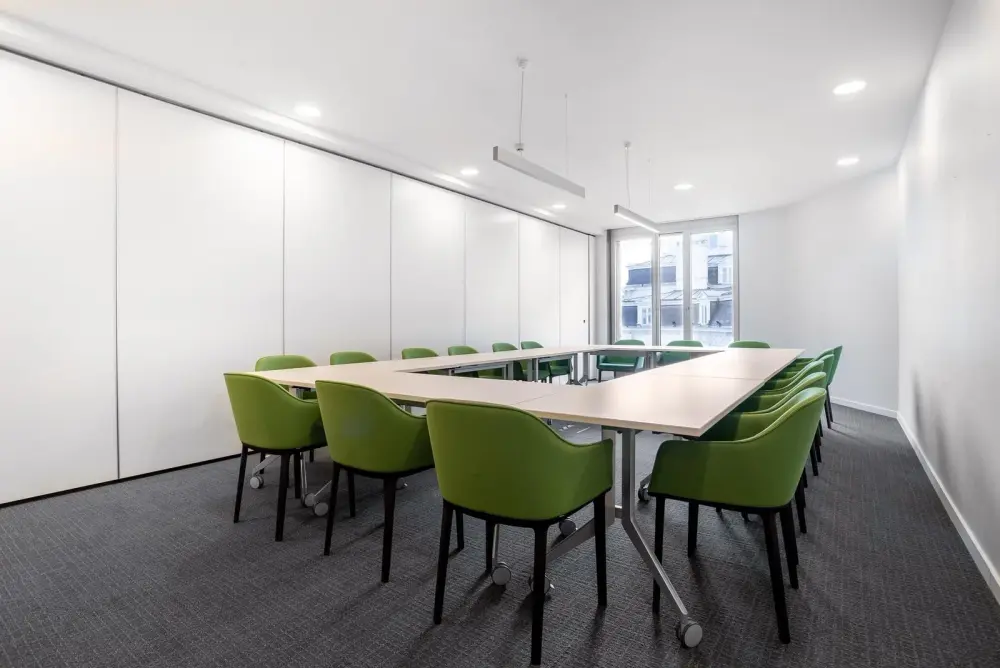
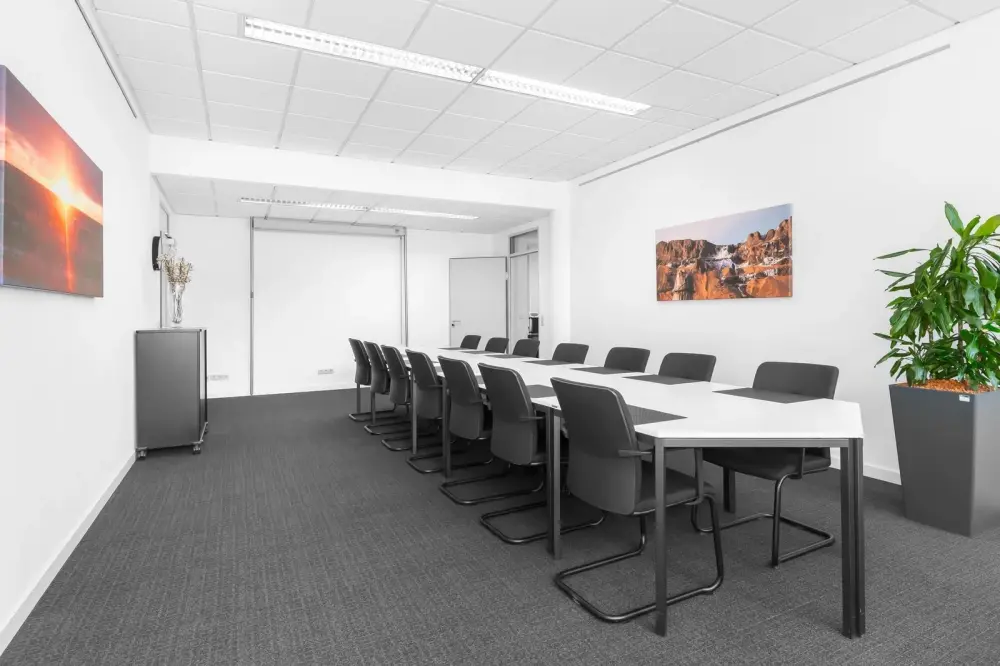
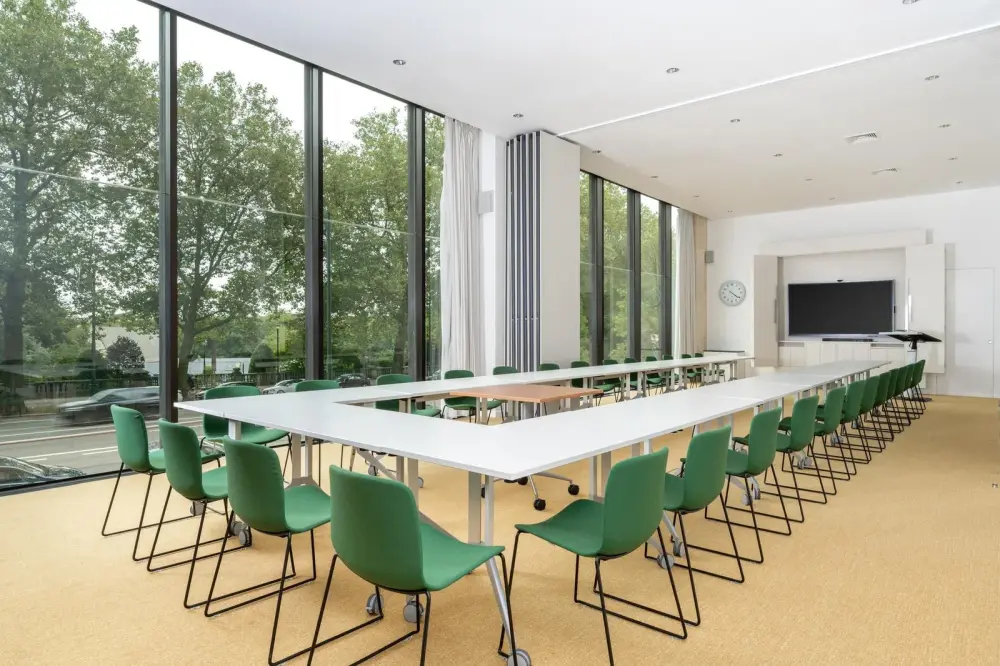
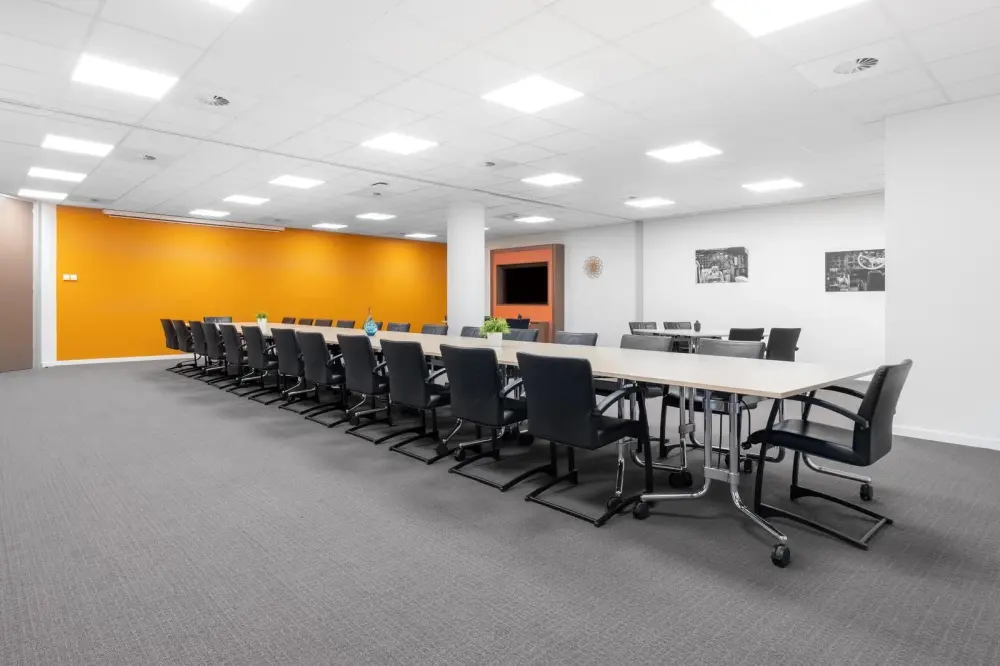
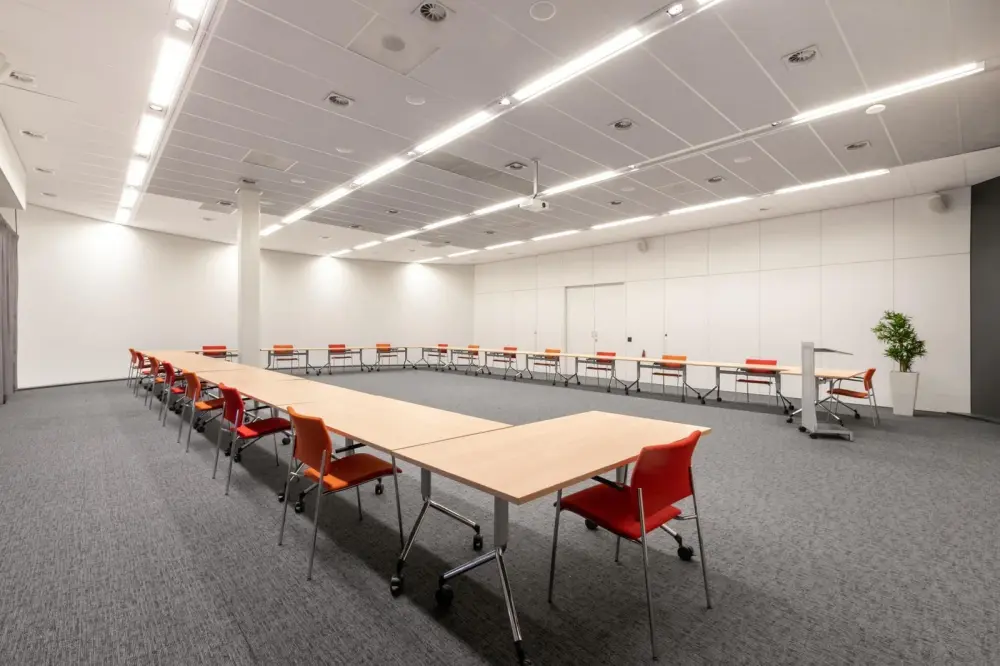
Layouts listed in Oslo: Boardroom (123 rooms), Classroom (4 rooms), Theatre (4 rooms), U-shape (2 rooms) and Workshop (1 room).
Boardroom for decisions and interviews, U-shape for training with a facilitator, classroom for workshops on laptops, theatre to seat the most people for a talk, cabaret for group work.
Wi-Fi, a screen or TV, a flipchart and still water come with every room, along with access to the common areas and coffee machines.
In Oslo, the venues that publish their equipment list air conditioning (16 venues).
Paid extras vary by operator and are listed on each booking screen.
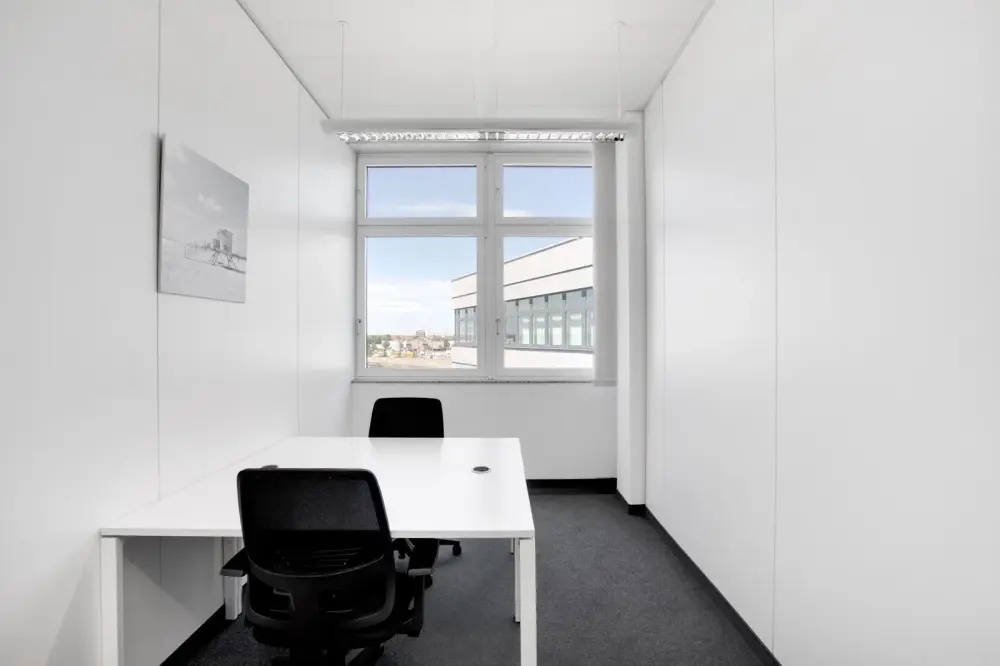
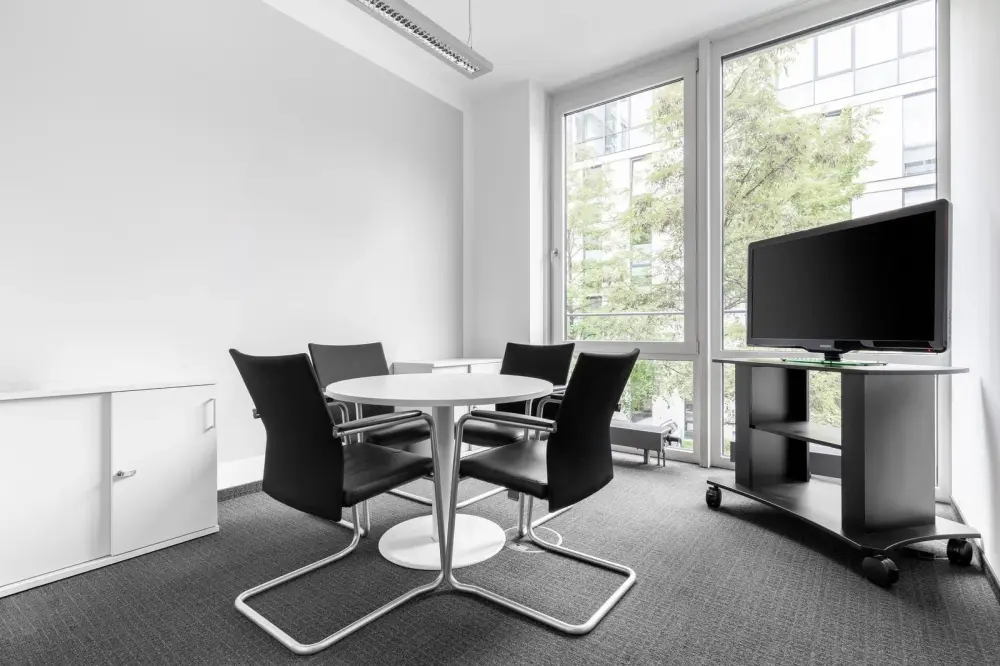
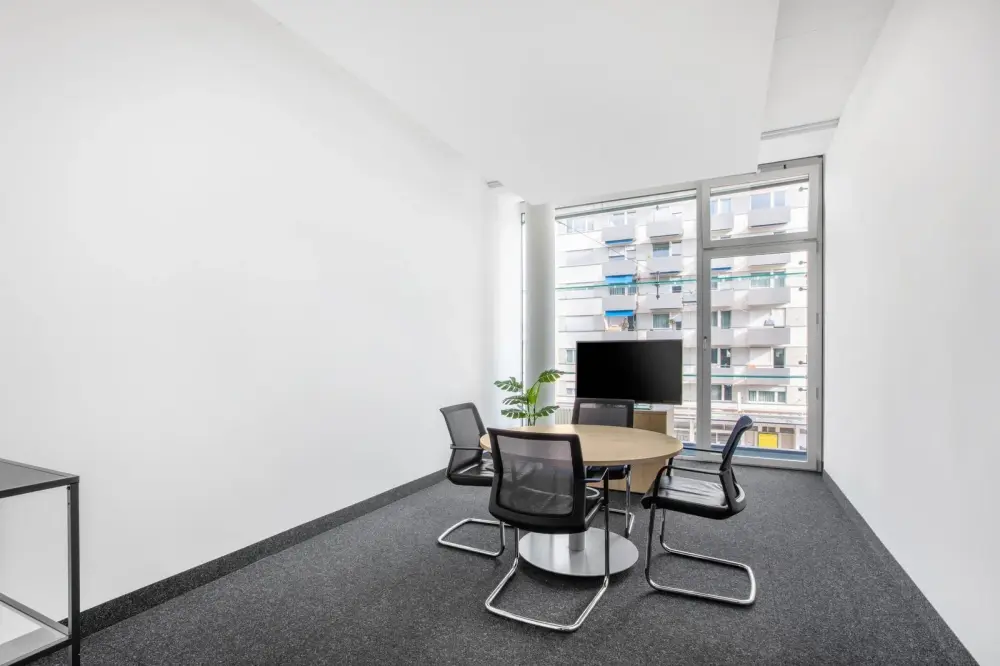
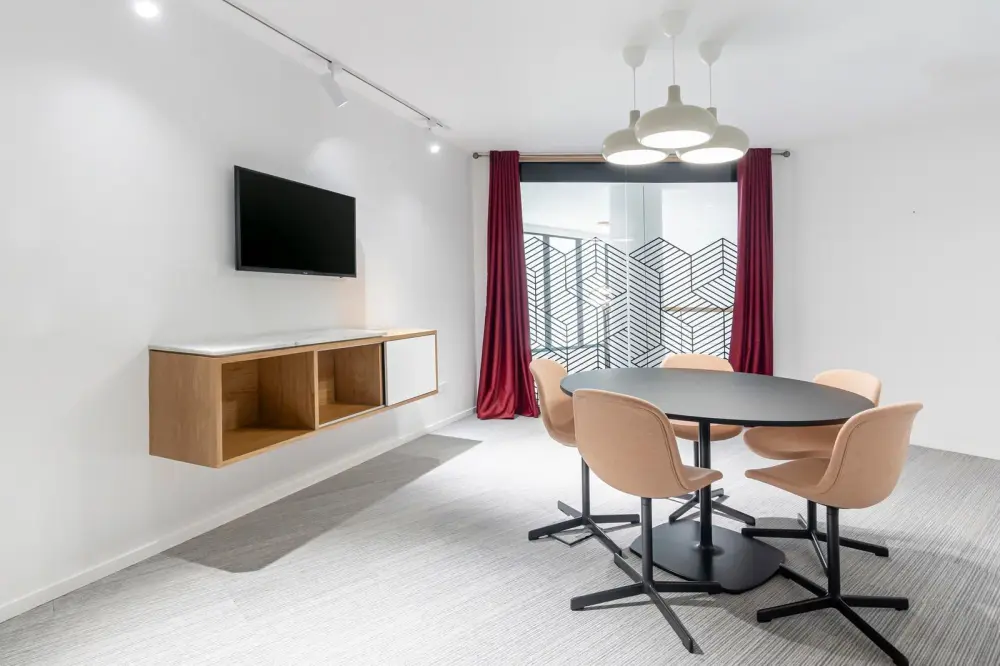
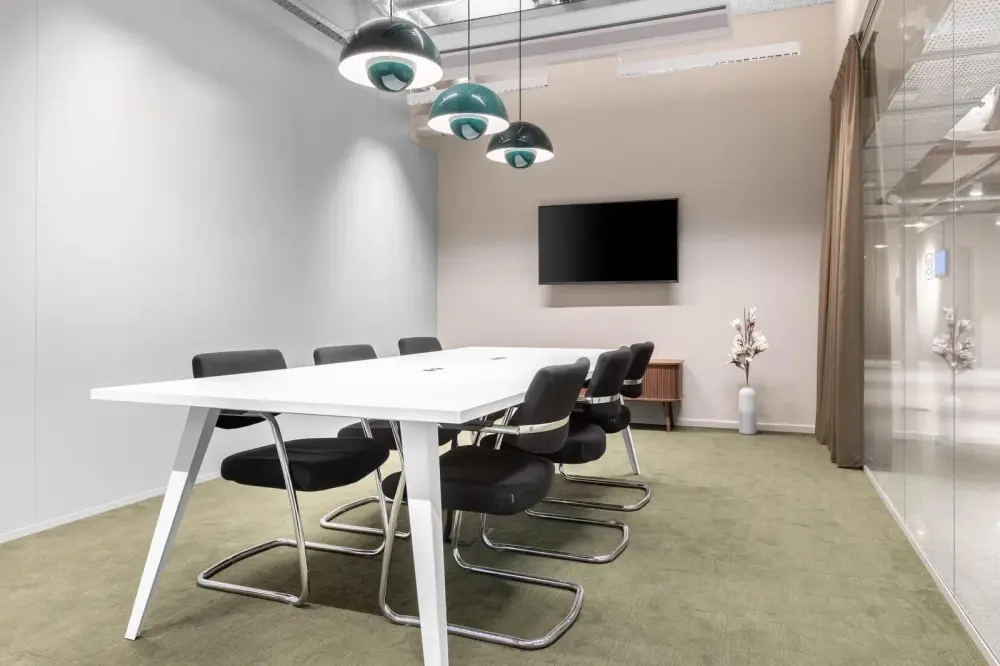
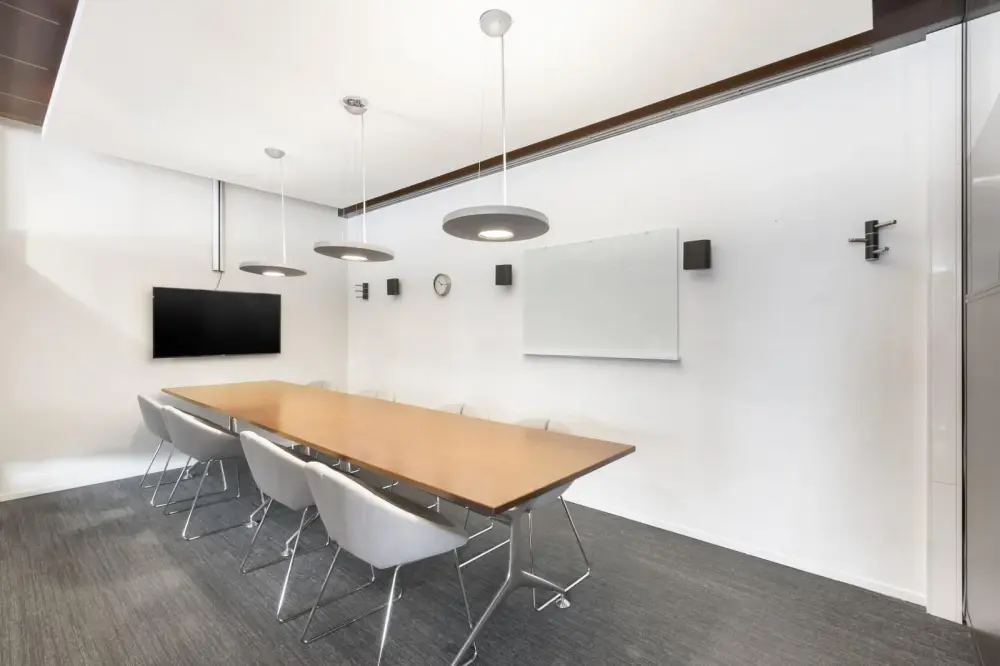
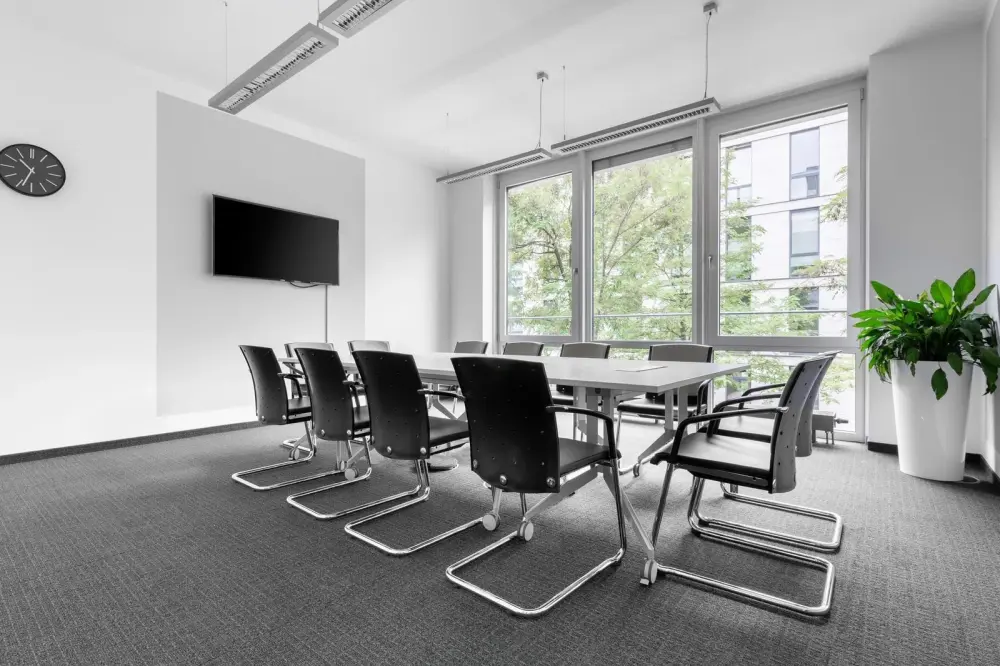
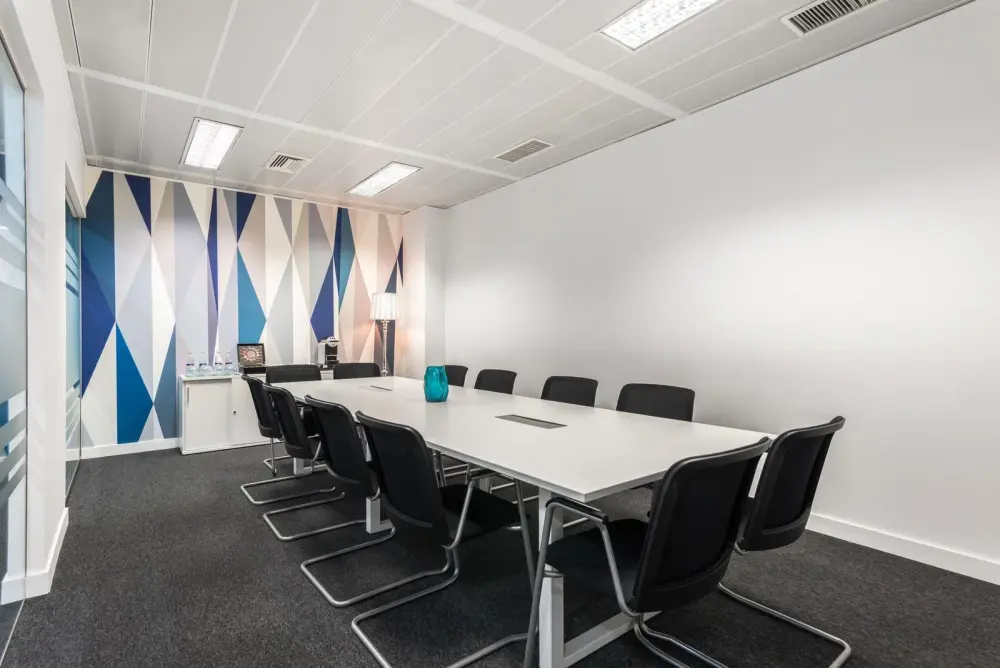
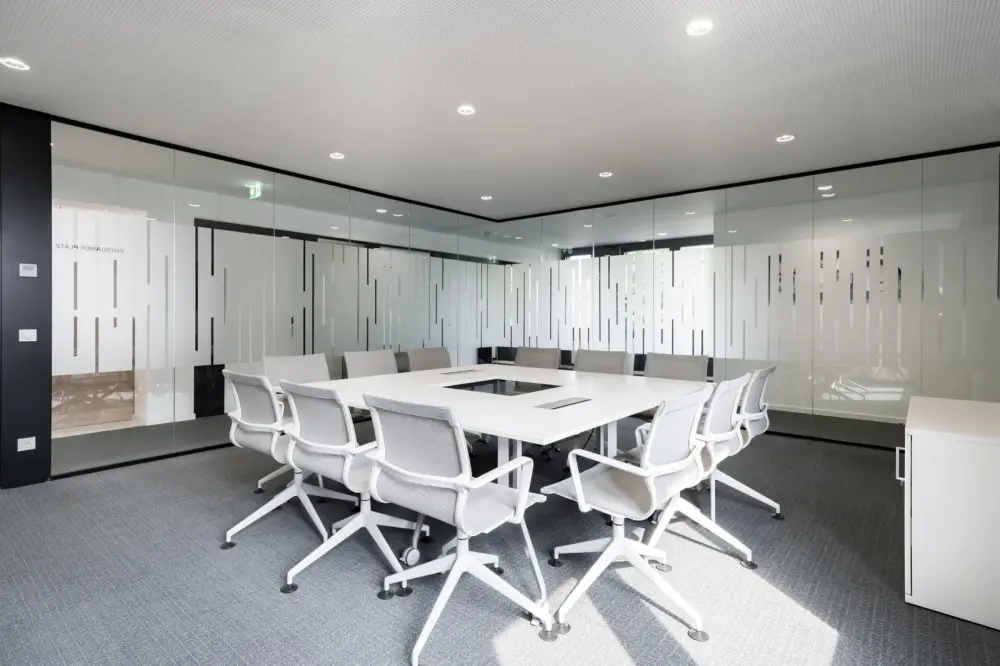
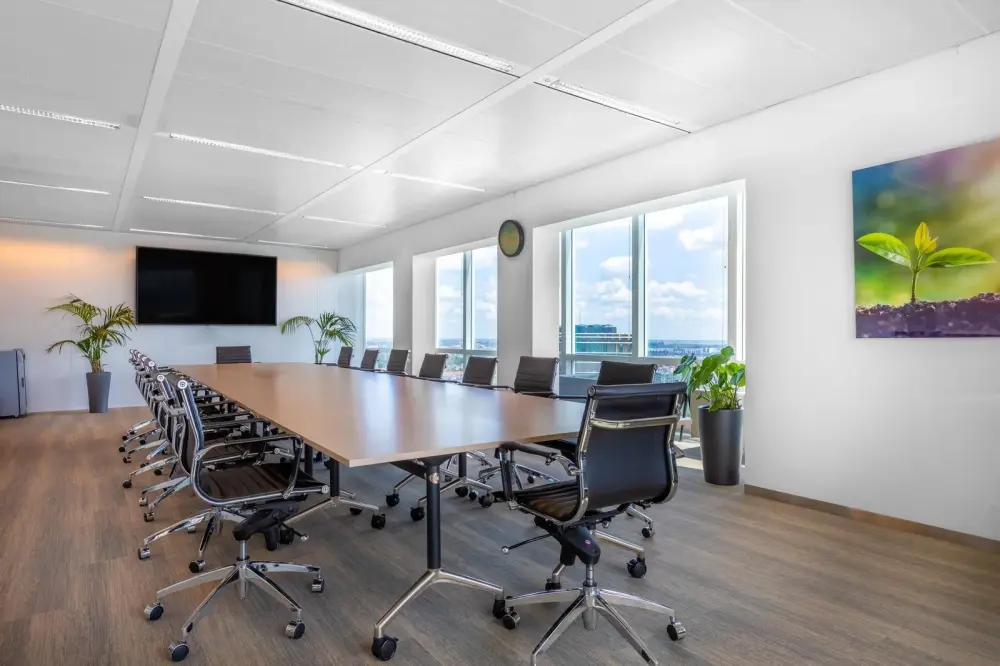
16 venues declare natural light in Oslo. The photos of each space show the window side.
11 venues declare step-free access in Oslo.
If access matters, message the venue before booking: the declaration covers the building, not necessarily every room.
Spaces (91 spaces) and Regus (35 spaces) run part of the spaces we list in Oslo.
Pick the space, the date and the time slot, pay online, and the confirmation arrives by email immediately. Spaces that are not confirmed instantly are validated by the operator, usually within the day.
126 spaces in Oslo confirm instantly at booking.
Yes, whenever the slot still shows in the search results: there is no fixed cut-off hour. Same-day availability depends on each venue.
Book at least an hour ahead to give the reception time to prepare the space.
One hour at IWG centres (Regus, Spaces, HQ). Other operators set their own minimum, shown before payment; most sell the half-day and the day.
Standard hours are 9:00 to 17:00. Some venues open until 22:00; the calendar only offers the slots each venue actually sells.
16 venues in Oslo give 24/7 access to its members, on a separate contract from the day booking.
You must arrive before the official closing time; late access is never guaranteed.
Yes, from your account, without calling anyone. Cancellation terms depend on the country and are shown before payment; when a cancellation is eligible, the refund and the credit note are issued automatically.
The invoice is issued as soon as the booking is confirmed, with VAT itemised, and stays available in your account. Payment is made online at booking.
An account is created with your first booking and works in every city. You can book for a colleague: enter their name as the attendee, the invoice stays in your name.
Give your name at reception: the space is ready and the Wi-Fi code handed over. About 80% of venues have a staffed reception; the others send access instructions with the confirmation.
Yes: breakfast, lunch, sweet breaks and coffee or tea service can be added to the booking. Order at least 48 hours ahead; the venue fulfils it, and you are refunded automatically if it cannot.
In Oslo, 16 venues list an on-site cafeteria or kitchen.
Book the setup time: the space is yours only for the slot you paid for, and the next booking may follow. Running over is at the venue's discretion and charged at the hourly rate when possible.
13 venues are less than 600 m from a station in Oslo, notably near Stortinget, Nydalen and Jernbanetorget.
8 venues list car parking, usually a paid extra to add at booking.
9 venues list bicycle parking.
A flipchart comes with every meeting room.
In Oslo, the venues that publish their equipment list a printer (16 venues).
Printing is charged per copy at the reception.
Interview or one-to-one: a room for 2 to 4 people. Training or workshop: 8 to 12 seats in classroom or U-shape. Board meeting: a boardroom for 10 to 14. Seminar: 20 seats or more, or an event space on request.
In Oslo: 119 rooms for 4 people, 57 for 8, 30 for 12, 13 for 20 or more.
Yes: 126 rooms publish an hourly rate in Oslo, from kr 190 excl. tax. One hour is the minimum at IWG centres.
For a confidential call or solo work, a day office costs less and closes the door. For a laptop and a coffee, a coworking day pass is the cheapest option. A meeting room is the right choice from three people, or whenever you need a screen and a whiteboard.
Starting prices excl. VAT, per slot. Final rates are calculated in real time during your search.
| Space | Capacity | Half day | Day |
|---|---|---|---|
| Room CM Sonja — Regus Oslo, Haakon VII's Gate | 3 people | from kr 923 | from kr 1,909 |
| Room MR-01C — Spaces Oslo, Spaces Nationaltheatret | 2 people | from kr 923 | from kr 1,909 |
| Room Bangkok — Spaces Oslo, Spaces Aker Brygge | 4 people | from kr 1,559 | from kr 3,224 |
| Room Maud — Regus Oslo, Haakon VII's Gate | 10 people | from kr 1,878 | from kr 3,883 |
| Room MR-03C — Spaces Oslo, Spaces Nationaltheatret | 10 people | from kr 3,022 | from kr 6,251 |
| Room Lisbon — Spaces Oslo, Spaces Aker Brygge | 6 people | from kr 2,068 | from kr 4,277 |
| Room Cairo — Spaces Oslo, Spaces Aker Brygge | 16 people | from kr 3,150 | from kr 6,515 |
| Room Lisbon — Spaces Oslo, Spaces Tinghuset | 20 people | from kr 5,695 | from kr 11,779 |
| Room M01 — Spaces Oslo, Spaces Stortorvet | 12 people | from kr 4,652 | from kr 6,494 |
| Room Copenhagen — Spaces Oslo, Spaces Aker Brygge | 30 people | from kr 6,012 | from kr 12,437 |
| Room AUDITORIUM — Spaces Oslo, Spaces Tullinløkka | 30 people | from kr 4,104 | from kr 8,489 |
| Room M02-M03 — Spaces Oslo, Spaces Stortorvet | 24 people | from kr 5,723 | from kr 7,992 |
Starting prices excl. VAT. Exact rates are shown in real time during your search based on date and slot.