











































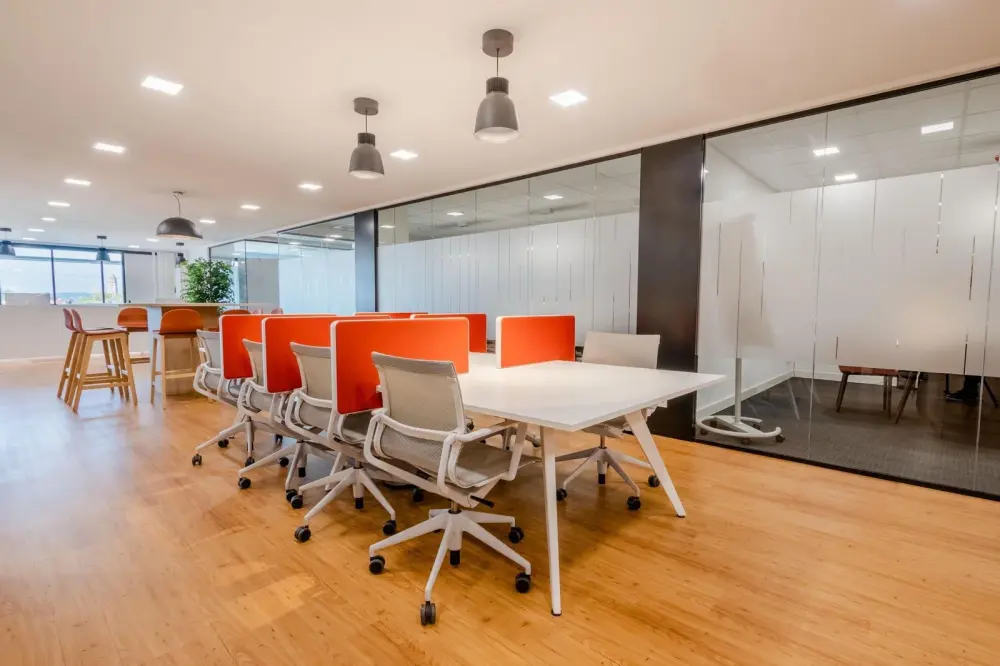
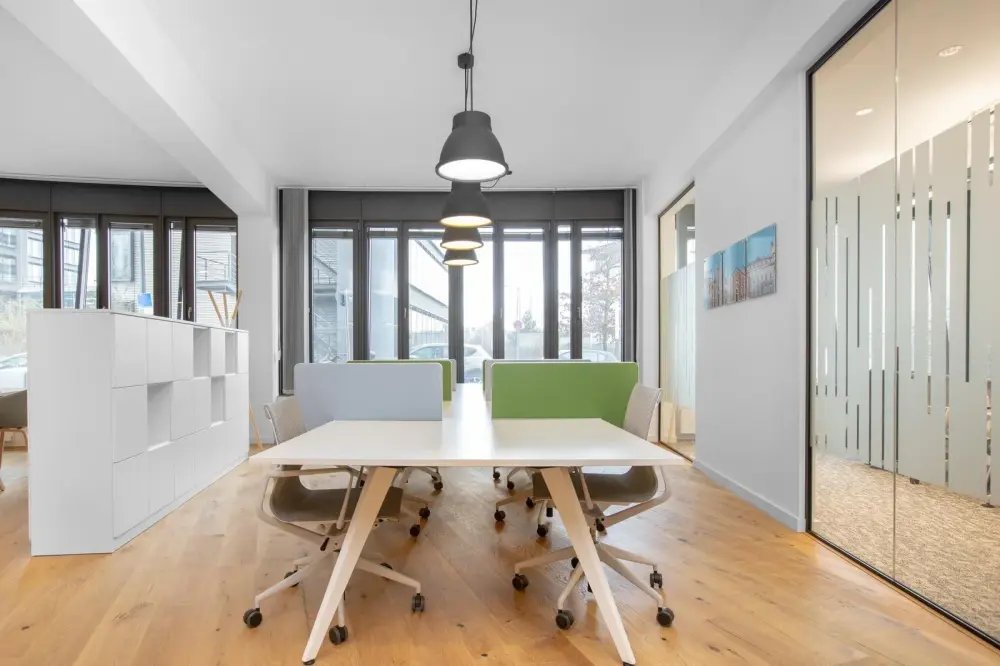
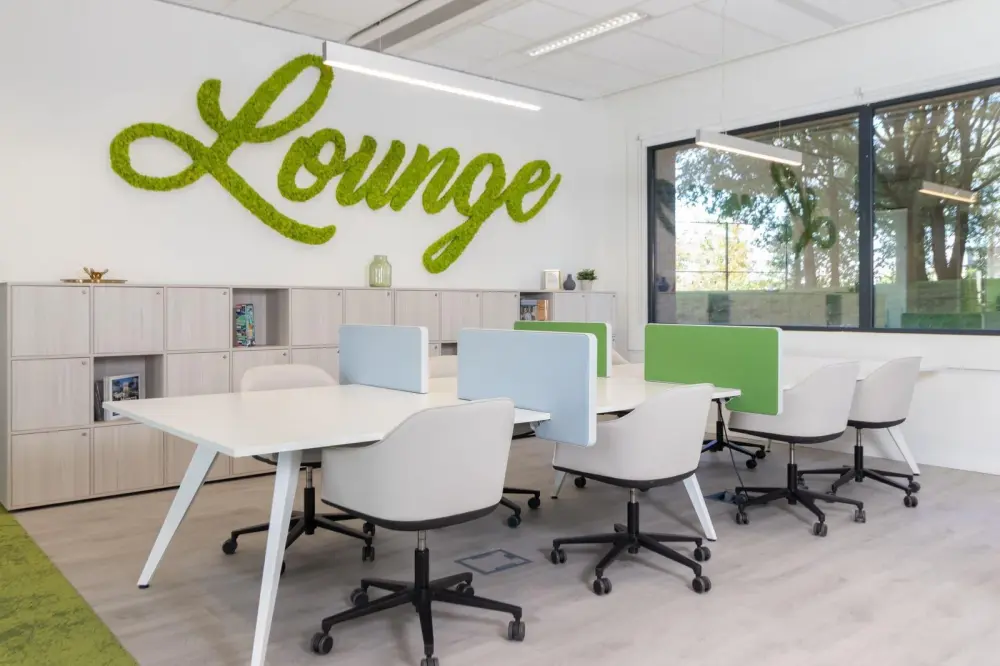
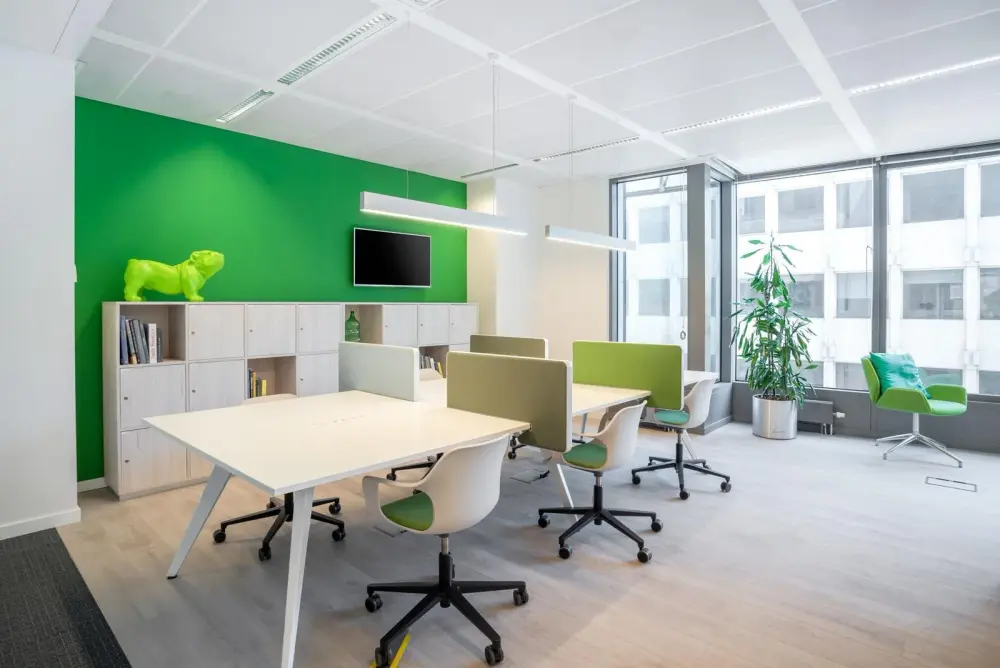
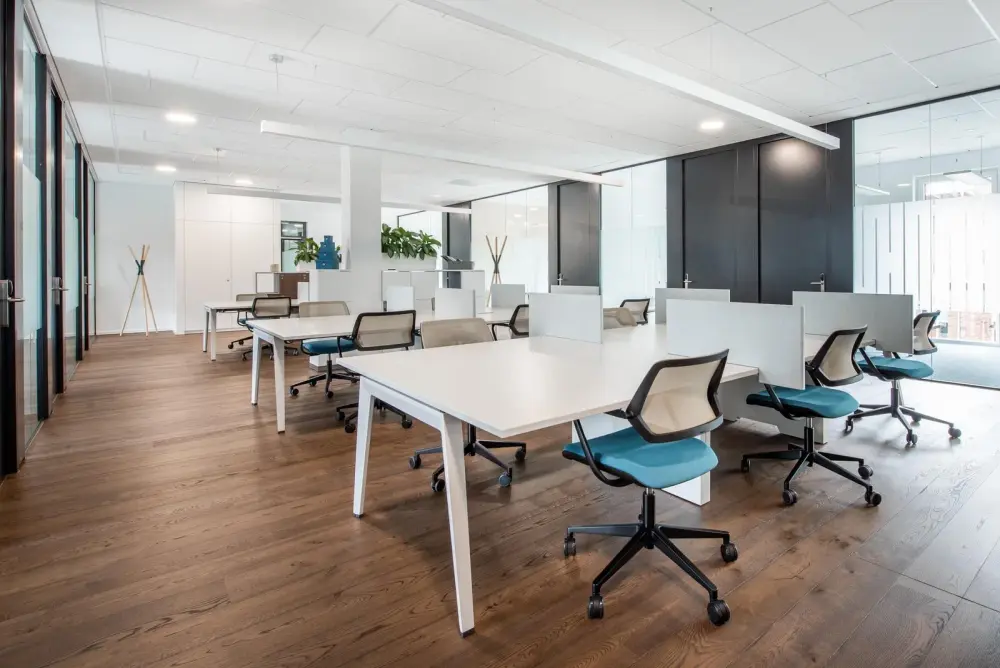
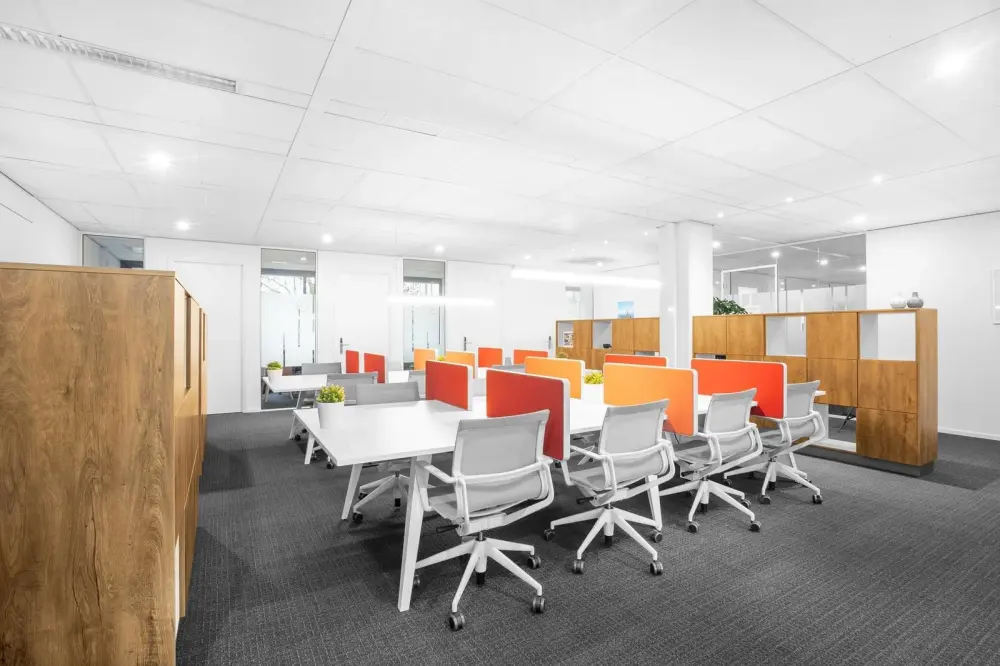
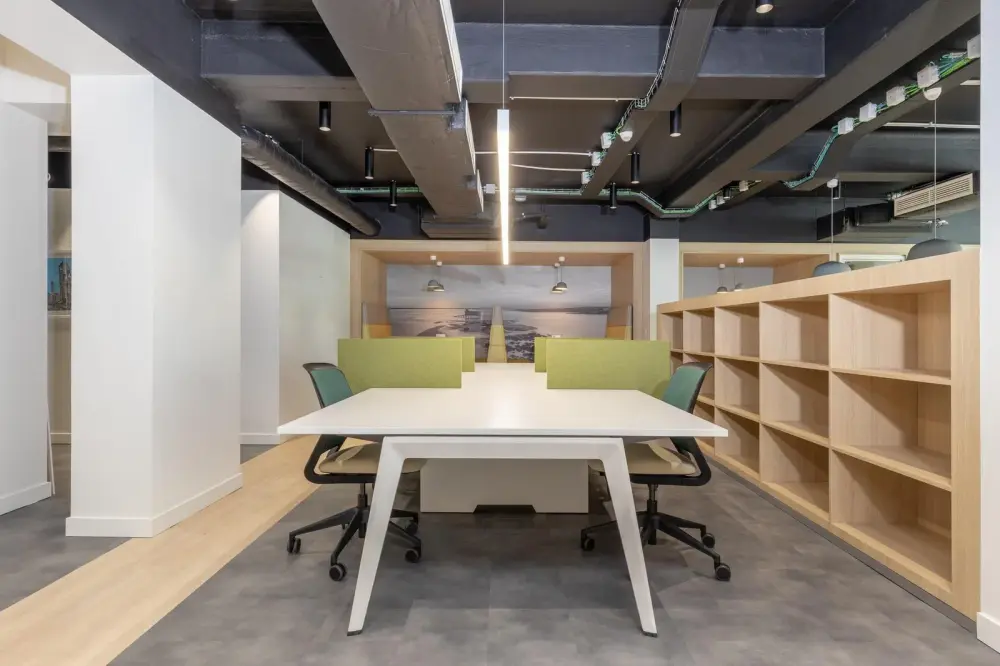
Booking a coworking day pass in Zug provides immediate workspace access across corporate-grade hubs starting from 65 CHF excl. tax per day.
Desk options in Zug from 65 CHF per day
Whether you need a quiet base between client consultations or a dedicated spot during a temporary project, flexible desks let you bypass lengthy commercial commitments. The top day rate reaches 119 CHF excl. tax, while the median price for a full day sits at 99 CHF excl. tax across local venues.
For professionals managing condensed schedules, a half-day booking starts from 33 CHF excl. tax with a median of 50 CHF excl. tax. When your itinerary requires only a short drop-in for urgent tasks, hourly desks are available from 9 CHF excl. tax.
Rail connectivity in Zug within 600 m of stations
Commuting into the canton for client briefings demands quick access from platform to desk. In Zug, 4 venues sit within 600 m of a transit station, ensuring smooth arrivals without local taxi transfers.
Four hubs cluster directly around Zug station, while 1 venue connects through Postplatz. This close alignment with major rail lines reduces transit downtime for executives commuting from neighboring business centers.
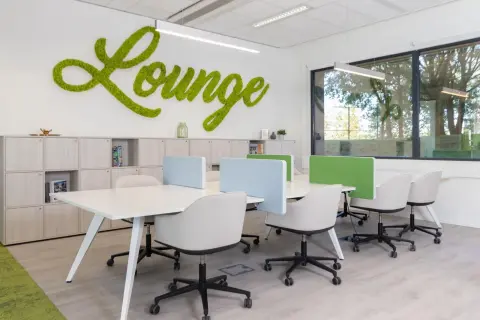
Comparing Regus, Spaces, and Signature operators
Corporate workspace supply in the city is anchored by recognized international brands. Regus manages 3 business centres locally, including Regus ZUG, Baarerstrasse and Regus Zug, Dammstrasse, which offers space for up to 10 people.
Design-oriented professionals can choose Spaces at Spaces ZUG, Spaces Main Station, while executive clients often select Signature at Signature ZUG, Signature Downtown. All 5 active venues provide high-speed wifi, dedicated printers, elevator access, natural lighting, and climate control.
Practical booking rules for your workspace in Zug
Reserving a desk online provides immediate confirmation and predictable administrative processing. Payment occurs securely during booking, with an official invoice generated upon completion and clear cancellation conditions displayed beforehand.
- Minimum duration: Locations run by IWG brands enforce a minimum stay of 1 hour for partial-day bookings.
- Catering arrangements: Refreshments and team hospitality require an order placed at least 48 hours in advance.
- Commuter infrastructure: Alongside car parking at all venues, 2 properties supply dedicated bike parking.
- Access hours: Every local listing features round-the-clock entry to accommodate demanding project schedules.