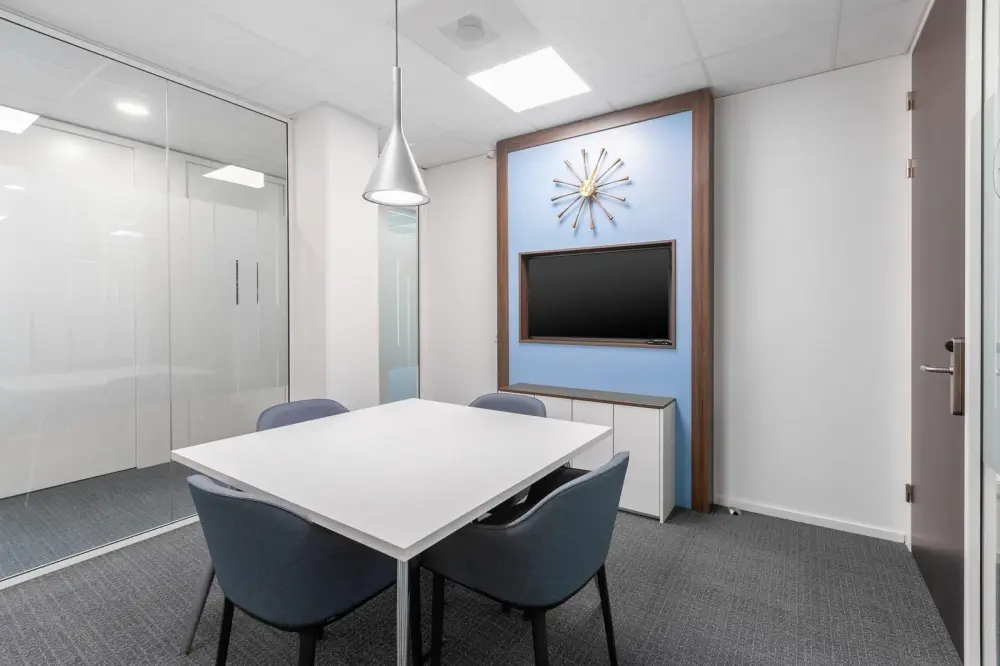
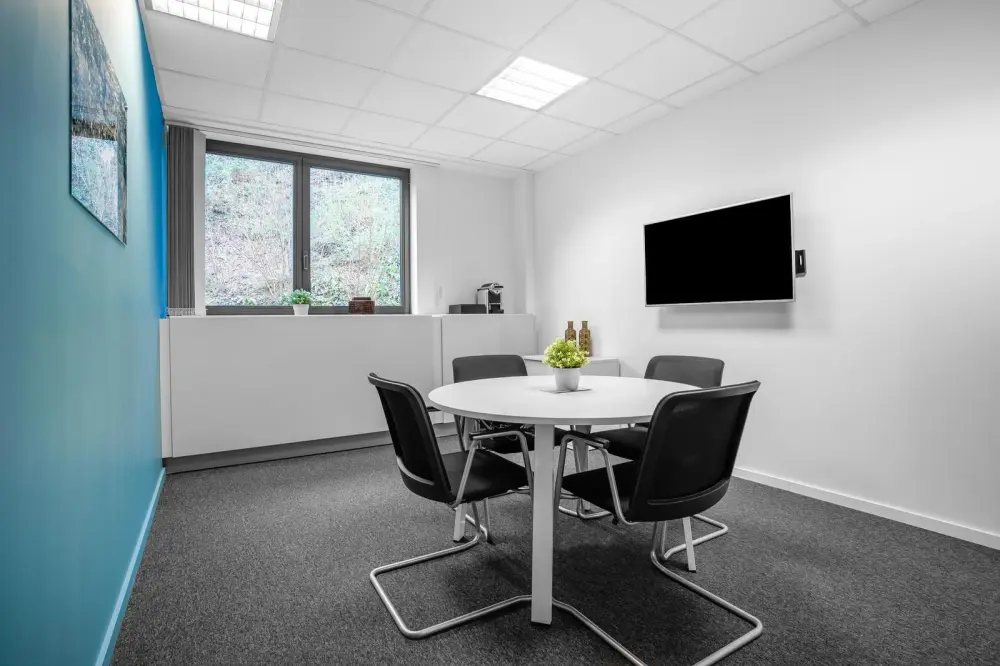
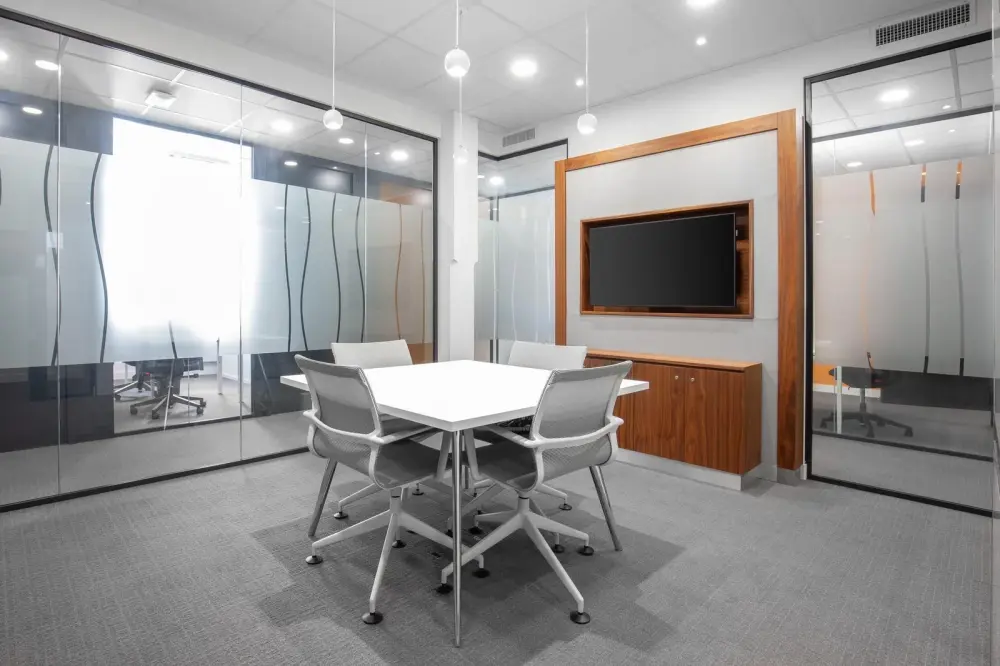
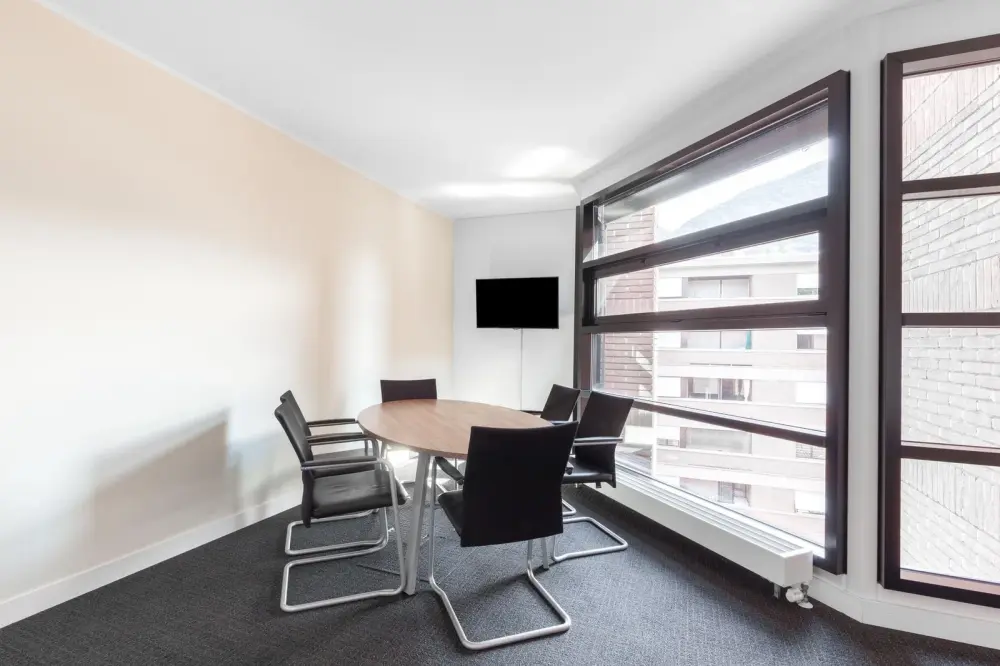
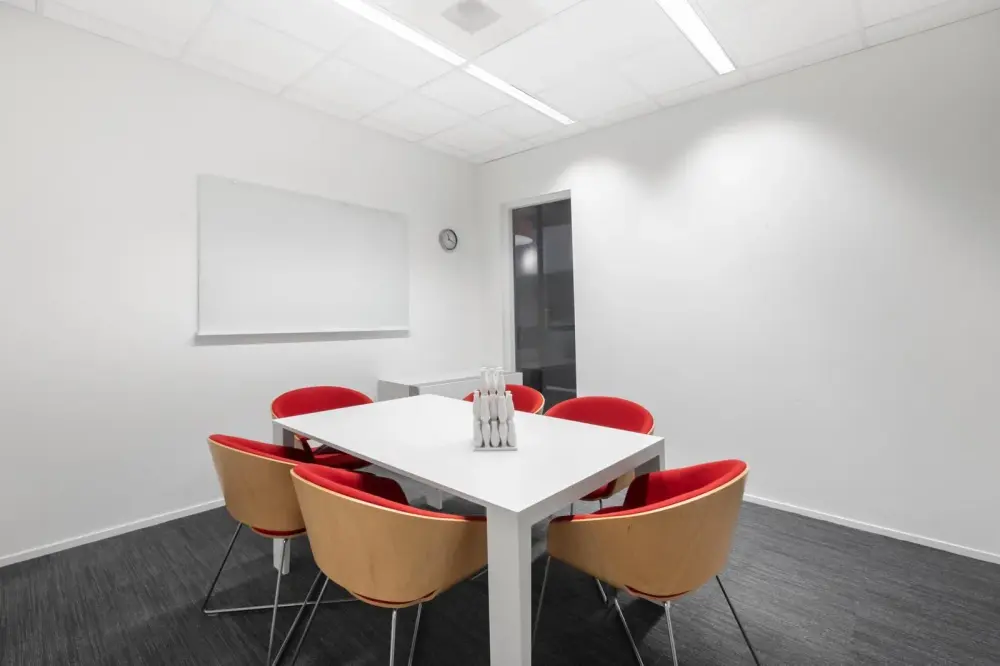
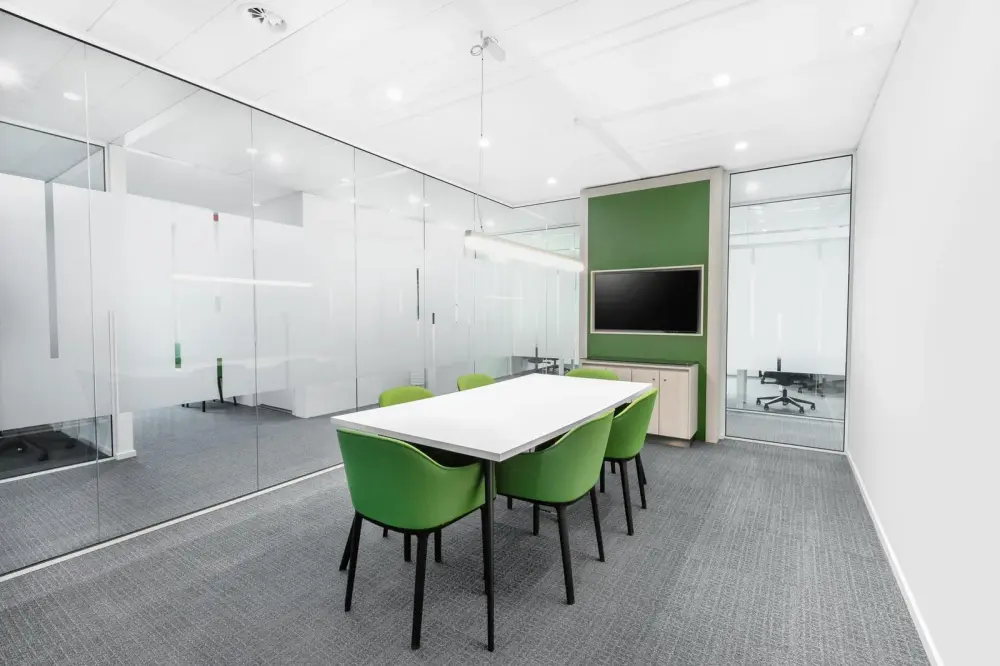
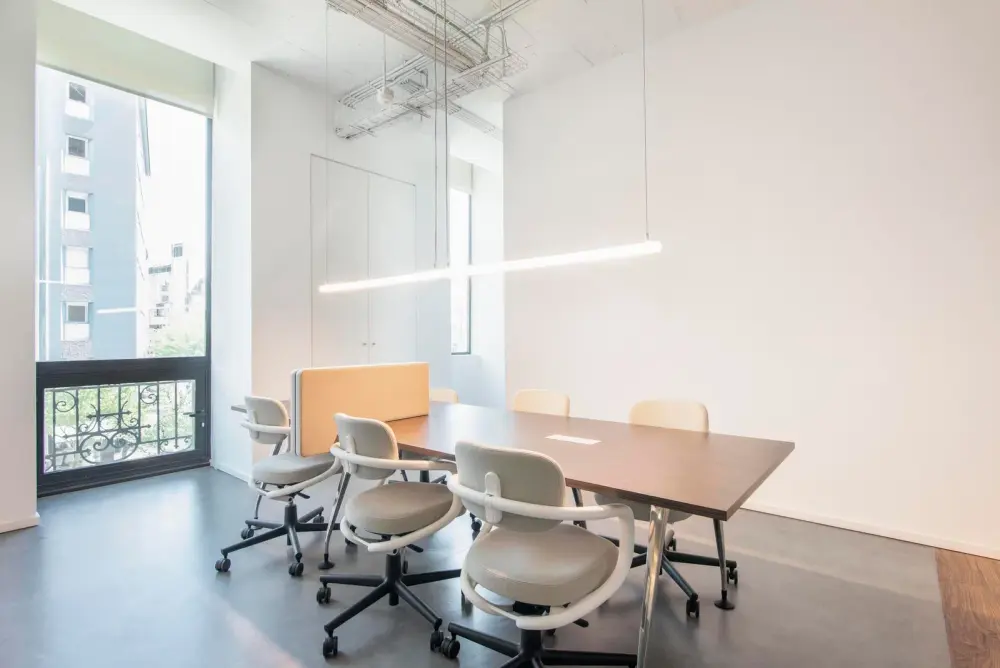
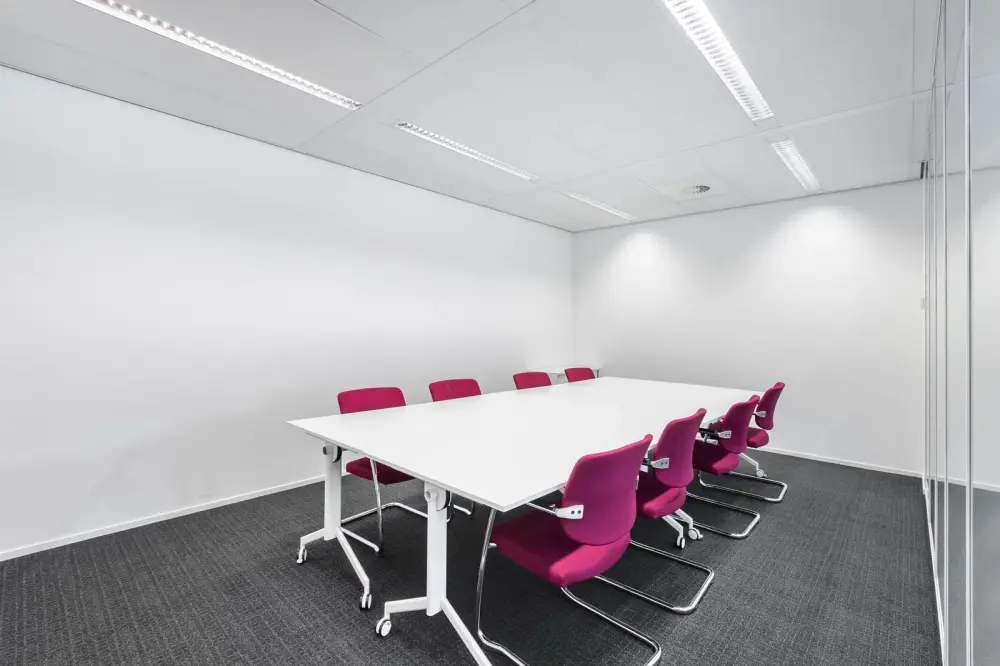
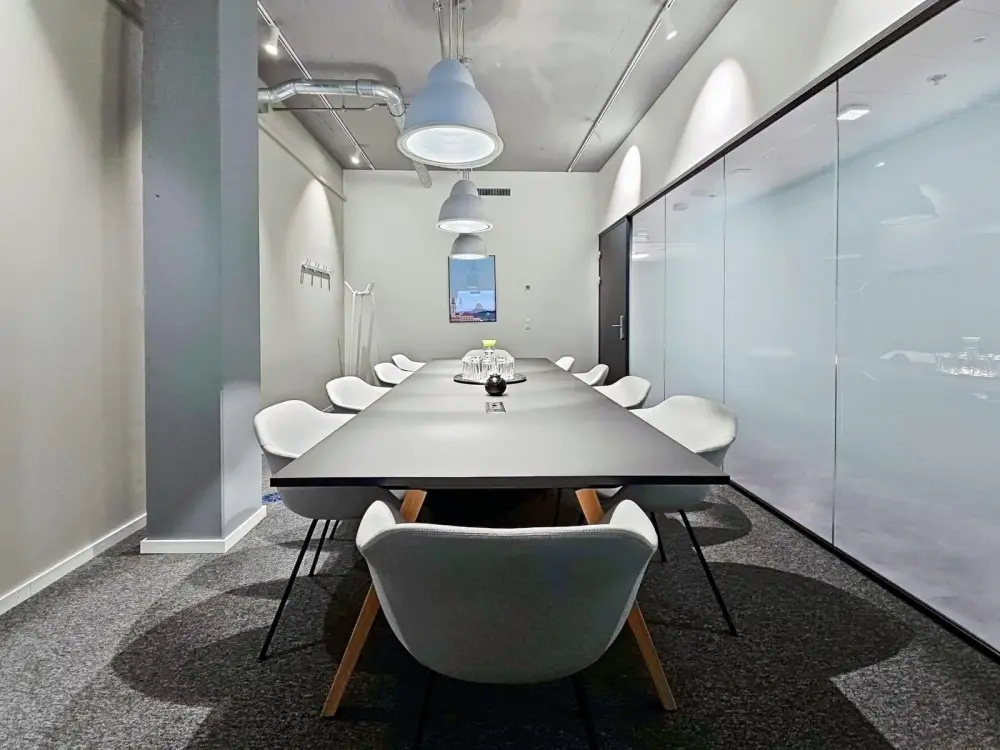
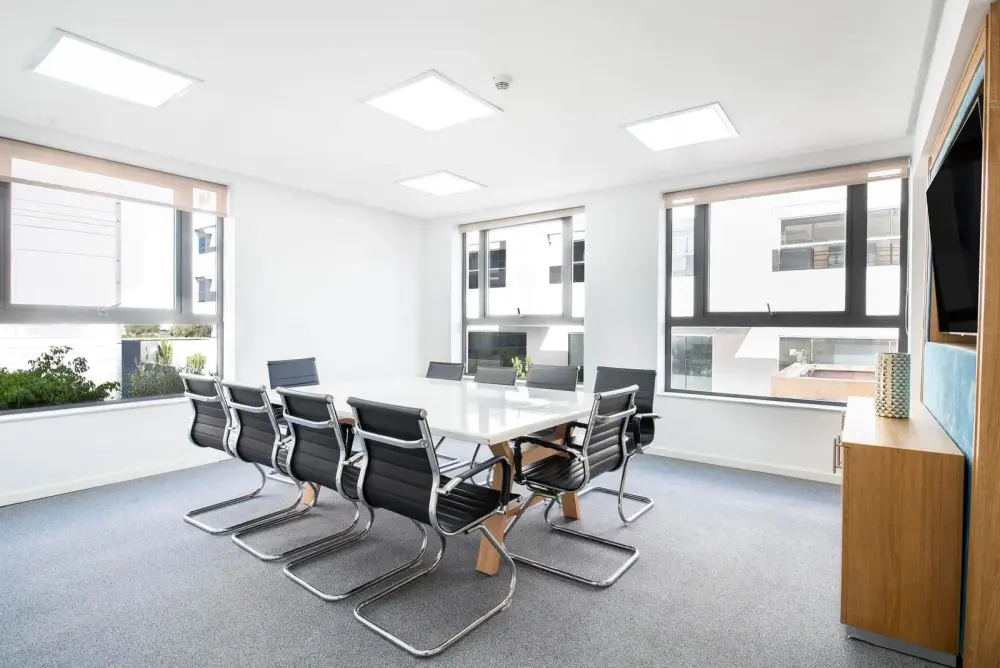
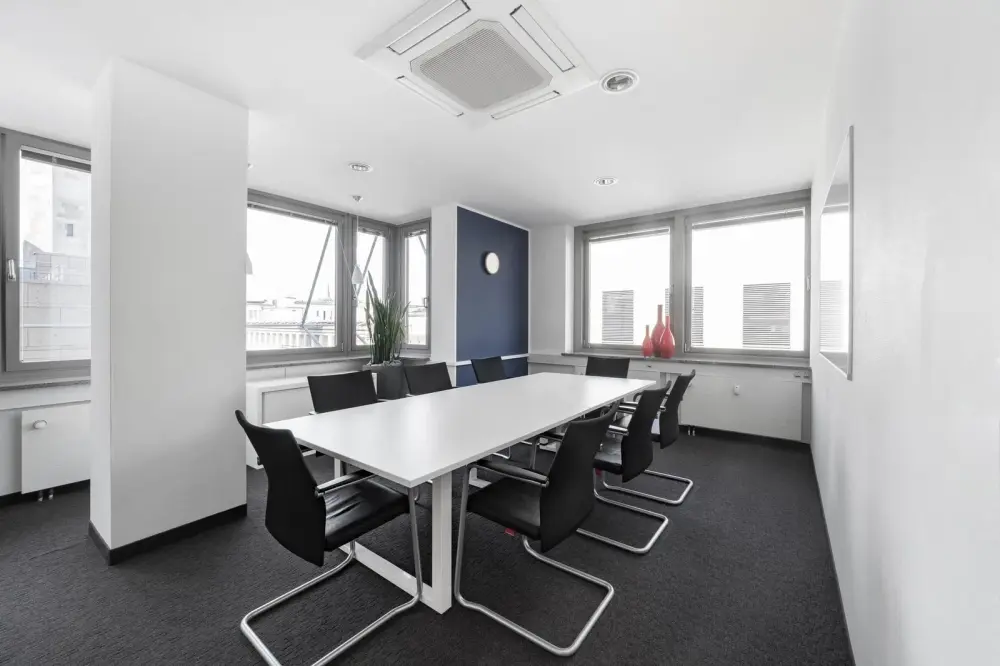
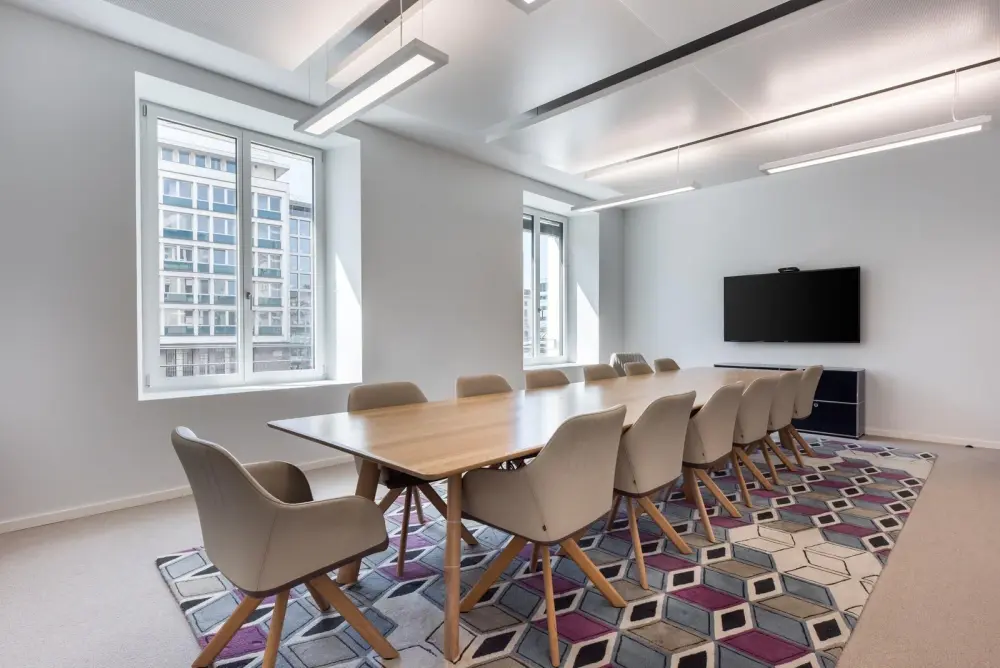
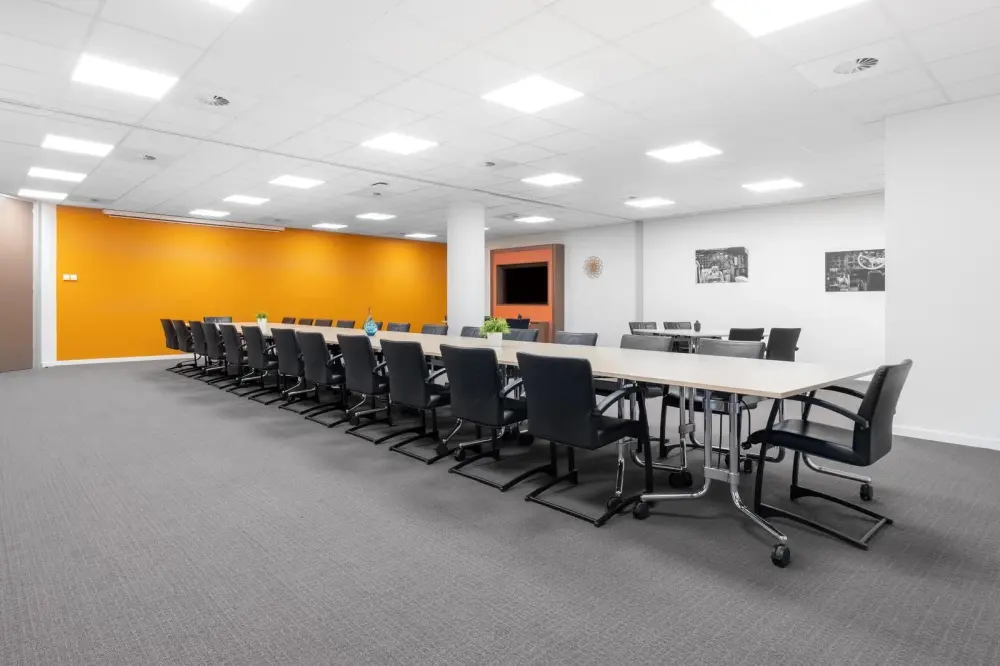
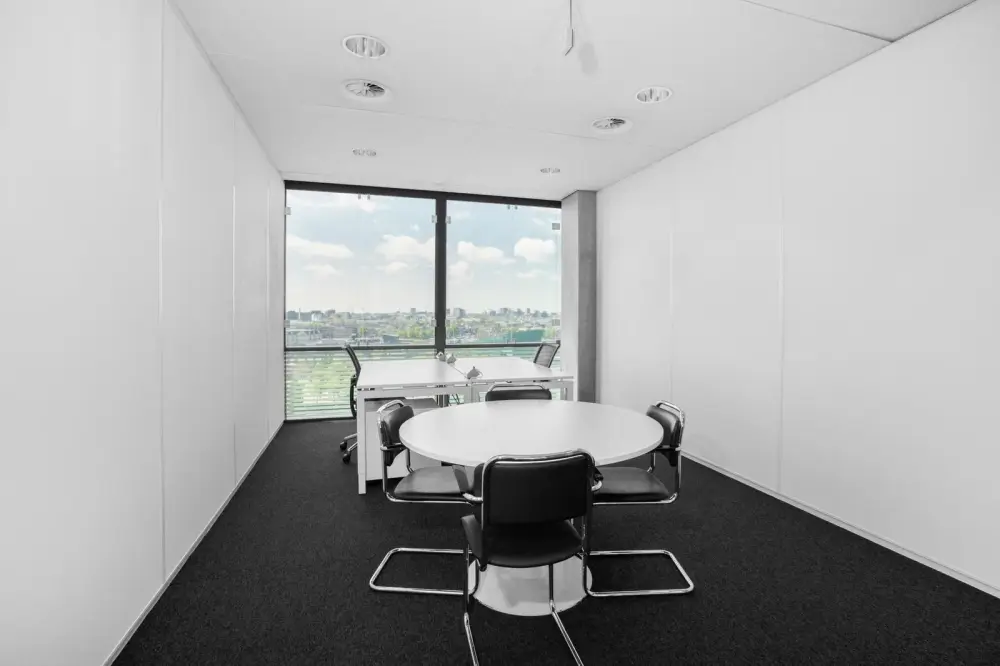
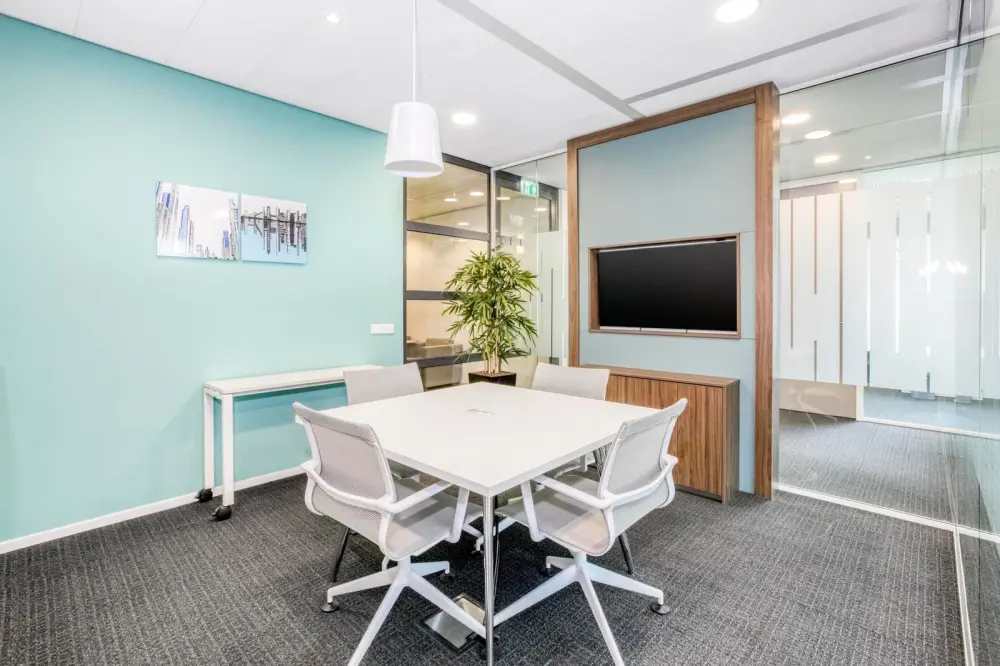
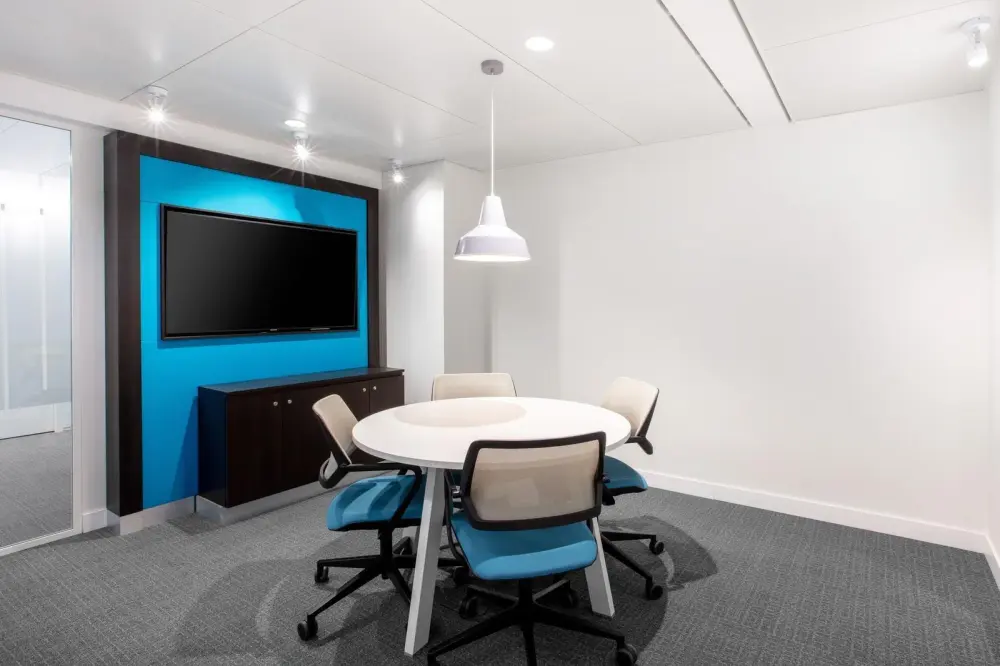
Imagine this: the wind in Copenhagen, a dash of Scandinavian design, and somewhere between cobblestone streets and minimalist architecture, a team eager to crack workplace mysteries—if only they could land a decent meeting room. It is time to cut through the hygge-inspired haze and see why meeting rooms in Copenhagen might just be the secret ingredient for productive workshops, board meetings, or even that slightly nerve-wracking interview session.
Why choose meeting rooms in Copenhagen for business needs?
Copenhagen is far more than mermaids and endless bicycle lanes; it masterfully blends historic charm with cutting-edge business infrastructure. Companies searching for conference venues will relish vibrant surroundings and modern facilities, whether the need is an intimate two-person brainstorm or a 50-person leadership workshop.
And truly, who could resist scheduling a quarterly review when “Nyhavn” or “Vesterbro” appears as the meeting address? These iconic districts add cosmopolitan flair that no standard office park can match. Add expert catering and versatile event spaces, and suddenly finding the ideal corporate gathering spot feels much less daunting. For teams with meetings in southern Sweden, nearby options like Meeting Rooms Helsingborg are also worth exploring.
Iconic districts housing unique meeting rooms
Selecting the right neighborhood is like choosing a Danish pastry—no bad options, but some definitely impress more than others. The capital’s emblematic quarters set the stage for motivation, innovation, and perhaps even punctuality to flourish.
Make that pitch or spark the next strategy shift where coffee breaks are surrounded by history and creativity radiates from every corner.
Vesterbro: modern edge and creative spirit
Team gatherings in Vesterbro offer exposed beams, warehouse vibes, and flexible spaces suited for anything from startup sprints to full-fledged conferences. With its central location, participants enjoy easy access—by train, boat, or on a borrowed city bike. Nearby hotels further sweeten the deal for anyone who likes sleeping close to their next brainstorm.
Facilities range from cozy rooms with plush seating to spacious halls equipped with top-tier technology, making Vesterbro a favorite among companies craving innovative yet professional backdrops for business events. Regular commuters or businesses functioning across both Denmark and Sweden sometimes turn to Meeting Rooms Lund for cross-border collaborations.
Nyhavn and Indre By: classic elegance on the waterfront
Those seeking a postcard-perfect panorama will love Nyhavn and Indre By. These districts deliver charming buildings, tranquil canals, and elegant conference venues bathed in natural light straight off the harbor. Mondays here are never grey.
Event spaces in these areas let leaders impress clients while soaking up an atmosphere steeped in centuries-old tradition. With accommodation options aplenty—thanks to luxury hotels standing shoulder-to-shoulder—attendees will thank whoever arranged such memorable gatherings.
Nørrebro and Østerbro: inventive and welcoming ambiance
For companies that move to their own beat, Nørrebro and Østerbro provide energetic central locations dotted with funky meeting rooms, quirky decor, and amenities bordering on brilliant—fresh smoothies at break time, anyone?
These neighborhoods thrive on diversity, welcoming teams of all sizes looking for unconventional spaces for inspired workshopping, lively team-building, or relaxed executive retreats. Those planning sessions in other regional hubs often opt for Meeting Rooms Malmo due to convenience and accessibility.
Facilities, technology, and capacity: elements that matter
When searching for the Goldilocks of venues—not too big, not too small—a few criteria must lead the company wish list. Capacity determines whether a huddle stays focused or devolves into chaos.
Thankfully, Copenhagen does not disappoint with versatile spaces accommodating everything from hushed duos plotting world domination over espresso to robust executive boards hashing out PowerPoint tactics.
- Reliable Wi-Fi and streaming for digital nomads and remote guests
- Projectors, whiteboards, and audio gear to fuel discussion
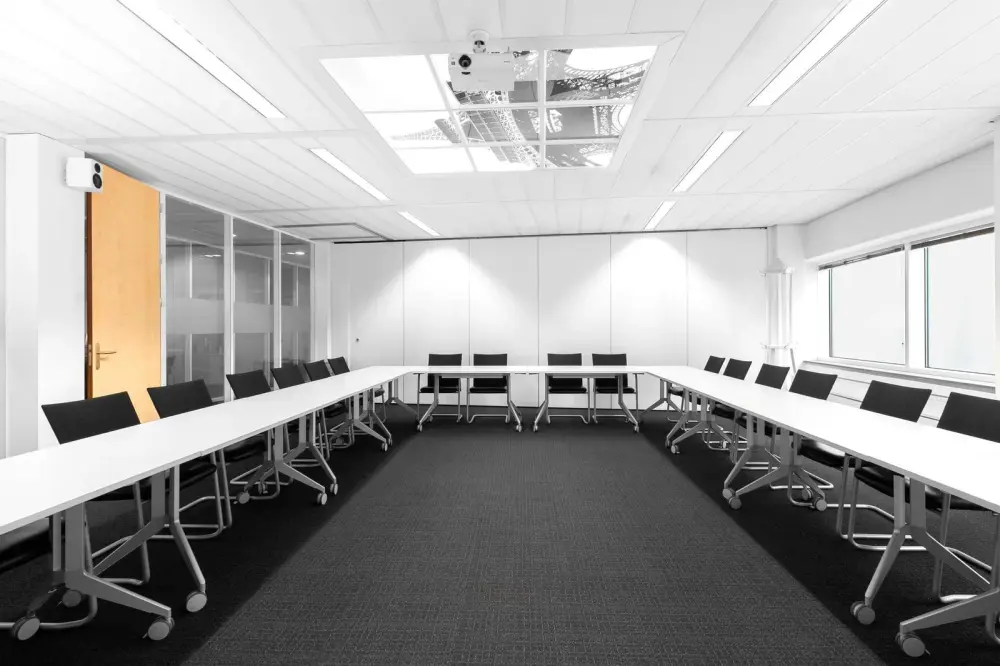
- Flexible room configuration—from theater setup to U-shape debates
- Catering and coffee service (because productivity demands sustenance)
- On-site support for last-minute technical mishaps
No one wishes to scale a mountain of cables just to launch a hybrid meeting. That is why the latest equipment, thoughtful design, and responsive staff are now standard in Copenhagen’s competitive corporate hospitality scene.
Even event spaces once reserved for banquets have been reimagined as business-ready hubs, blending tradition with practical efficiency.
Booking meeting rooms: flexibility and ease in Copenhagen
Employees do not dream of wrangling messy spreadsheets, endless email threads, or surprise invoices when booking a suitable space. Thankfully, life in the Danish capital—and the process of reserving event spaces—has evolved.
Online reservation platforms sweep away old-fashioned hassles, letting businesses view real-time availability, prices, and even perks like rooftop access or meditation corners. Payments are handled swiftly—much easier than mastering Danish grammar.
What makes instant online booking attractive?
Speed, transparency, and minimal fuss rule the day. Teams simply enter preferences—capacity, location, desired amenities—and filter dozens of options in seconds. No more phone tag, lost details, or cryptic contracts.
A few clicks later, confirmation lands instantly in the inbox; it feels almost futuristic, especially for those raised on paper sign-up sheets and lukewarm coffee in windowless basements.
Streamlined payment and secure confirmations
Modern online payment systems bring clarity to company budgets—no mysterious surcharges lurking after the fact. Booking platforms issue instant receipts, allow card payments, track expenses, and integrate directly with calendars.
Organizers responsible for important gatherings breathe freely knowing every aspect—security deposit to speakerphone rental—is unified in one seamless transaction.
Comparing popular types of event spaces in Copenhagen
Business requirements change faster than Denmark’s weather forecast, so having a diverse selection of event spaces is nearly a survival skill. Whether improvising a pop-up team building in Christianshavn or orchestrating an annual general meeting in Frederiksberg, variety keeps everyone alert.
From creative studios to smart hotel suites, adaptable settings guarantee inspiration—or discipline—never runs short.
| Venue type |
Typical capacity |
Main advantages |
| Hotel conference rooms |
10–50 people |
Central location, onsite accommodation, professional amenities |
| Co-working event spaces |
4–30 people |
Flexible bookings, informal vibe, modern technology |
| Historic venues |
12–40 people |
Atmospheric settings, prestige, cultural value |
| Private studios |
2–15 people |
Privacy, personalized service, creative ambiance |
Not every group leaps at the chance for a plush boardroom in a glass-towered hotel—some crave eccentric galleries or peaceful rooftops. What matters most is aligning the team’s energy, event format, and practical logistics in perfect harmony.
And who could forget the delight of shifting effortlessly from strategic session to post-meeting relaxation on a terrace overlooking Tivoli Gardens?
Getting down to business: easy reservations make the difference
The leap from endless emails to instant online reservation brings genuine relief. Organizers scouring Copenhagen for that elusive blend of price, proximity, and pizzazz can finally lean on tools built for maximum convenience and minimum drama.
Efficiency wins: businesses outline what is needed—be it lightning-fast Wi-Fi for a guest, ergonomic chairs for marathon negotiations, or blackout curtains for afternoon presentations. Smart algorithms scoop up choices, auto-select available slots, and even suggest extra amenities.
- Book anytime—the digital platform operates around the clock
- Secure payment integrates with most company accounts
- No hidden fees, cryptic clauses, or waiting for approval chains
- Support teams always ready to troubleshoot or recommend alternatives
Teams intent on results appreciate being freed from logistical headaches. Attention shifts toward crafting effective content or building relationships—leaving the rest to seamless, tech-driven processes.
Now, when “meeting rooms Copenhagen” comes up, think modern comfort, transparent booking, and a dash of local charm—turning obligatory sessions into unexpectedly memorable experiences.
Workin.space: reserve a meeting room in Copenhagen with total ease
Here is where workin.space steps in to revolutionize the booking experience. No more wrestling with outdated forms or chasing down quotes. With workin.space, companies gain direct access to a wide array of meeting rooms in Copenhagen, spanning all the city’s emblematic districts—from the bustling heart of Indre By to the creative pulse of Vesterbro and the welcoming spirit of Nørrebro.
Whether the need is for a discreet interview setting for two or a dynamic venue for a 50-person team building, workin.space allows users to browse, compare, and reserve instantly. Payment is handled securely online in just a few clicks, making last-minute planning or careful strategizing equally stress-free. For any business seeking simplicity, choice, and peace of mind, workin.space is the trusted ally for booking the perfect meeting room in Copenhagen.
societyM Meeting Rooms Copenhagen Rådhuspladsen
- Activity Category: Conference center
- Address: H. C. Andersens Blvd. 12, 1553 København
MeetZoku: Rooftop Meeting Rooms and Event Space by Zoku Copenhagen
- Activity Category: Conference center
- Address: Amagerfælledvej 108, Floor 5, 2300 København
IDA Conference
- Activity Category: Convention center
- Address: Kalvebod Brygge 31, 1560 København
Bella Sky Conference and Event
- Activity Category: Convention center
- Address: Martha Christensens Vej 10, Indgang 3, 2300 København S
Talent Garden Copenhagen
- Activity Category: Coworking space
- Address: Danneskiold-Samsøes Allé 41, 1434 København
SOHO
- Activity Category: Business center
- Address: Flæsketorvet 68, 1, 1711 København
CPH Conference
- Activity Category: Conference center
- Address: Tietgensgade 65, 1704 København V
Kosmopol - møder og konferencer
- Activity Category: Conference center
- Address: Fiolstræde 44, 1171 København K
Meetings & Events by Radisson Collection Royal Hotel, Copenhagen
- Activity Category: Meeting planning service
- Address: Hammerichsgade 1, 1611 København
Meetings & Events by Radisson Blu Scandinavia Hotel, Copenhagen
- Activity Category: Meeting planning service
- Address: Amager Boul. 70, 2300 København